
Nido Program
“The most important period of life is not the age of university studies, but the first one, the period from birth to the age of six. For that is the time when man’s intelligence itself, his greatest implement, is being formed. But not only his intelligence; the full totality of his psychic powers.”
Enrollment Requirements
To enroll in the Nido Program your child must be at least 10 weeks of age and able to bottle feed comfortably and regularly.
Parent completion of Montessori + Me is a prerequisite for entry to the Nido program.
MSM has both morning (8:30 AM - 11:30 AM) and full-day (8:30 AM - 3:15 PM) programs from Monday through Friday.
Infants with older siblings at MSM will be given enrollment priority.

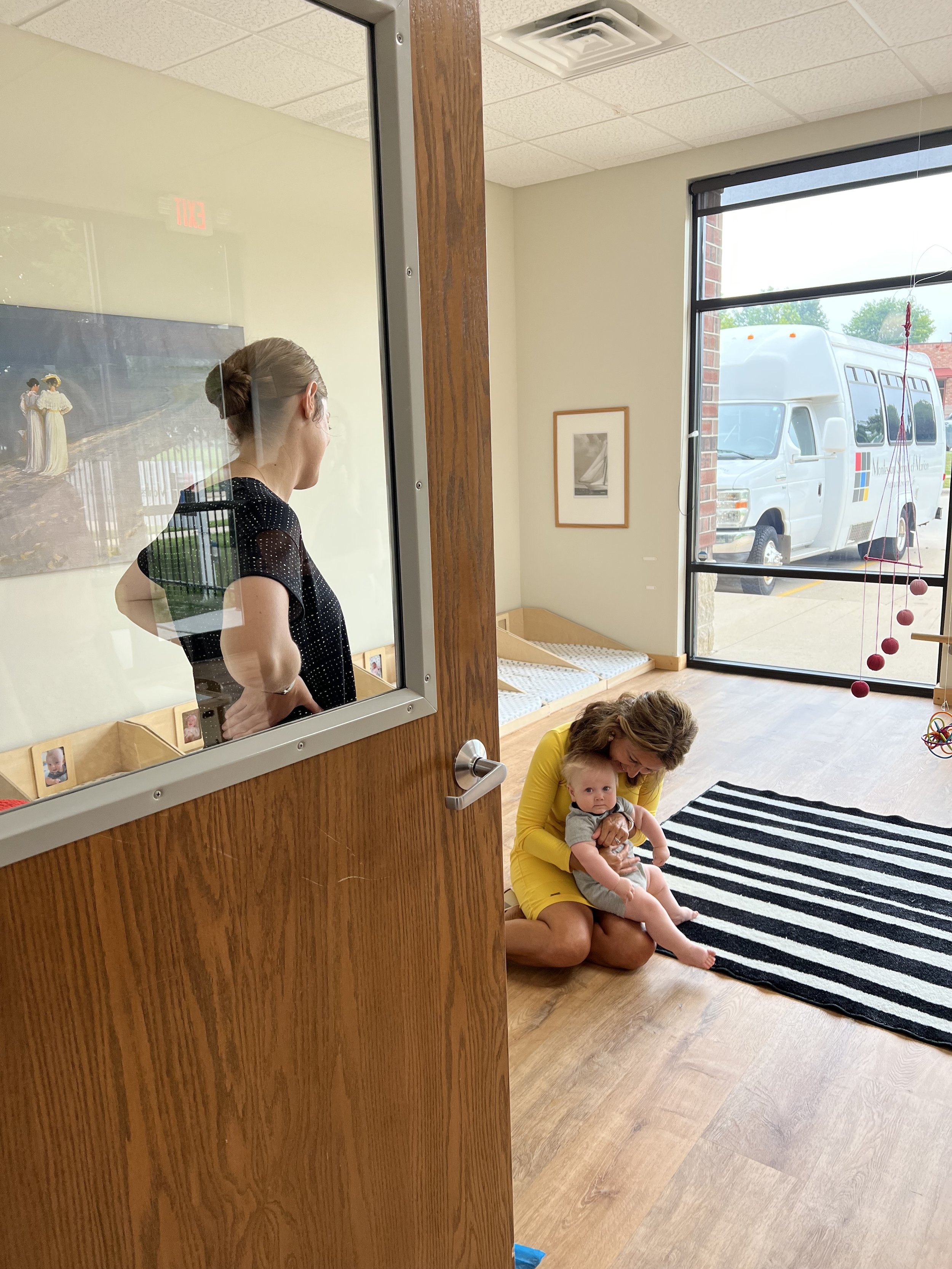
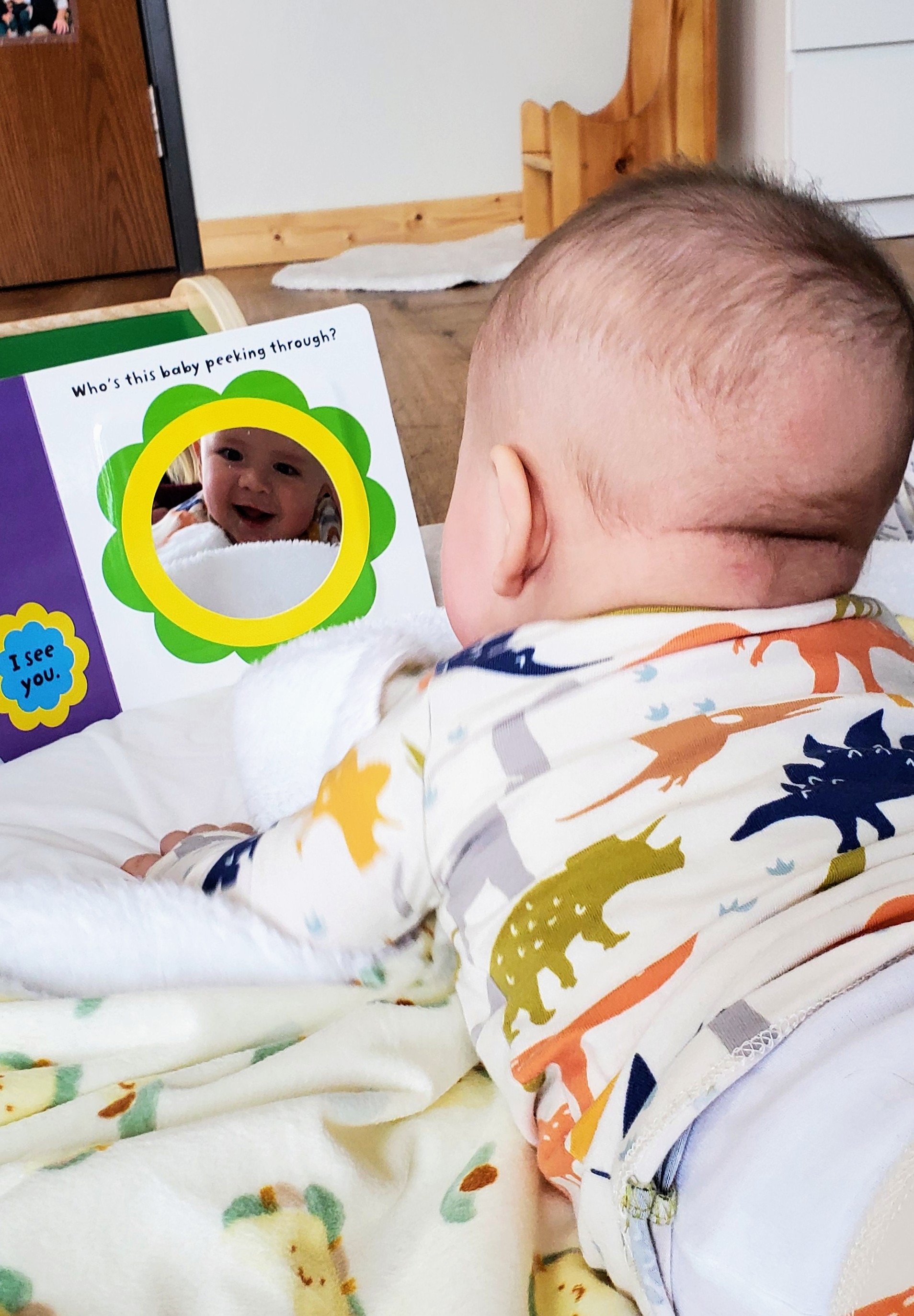
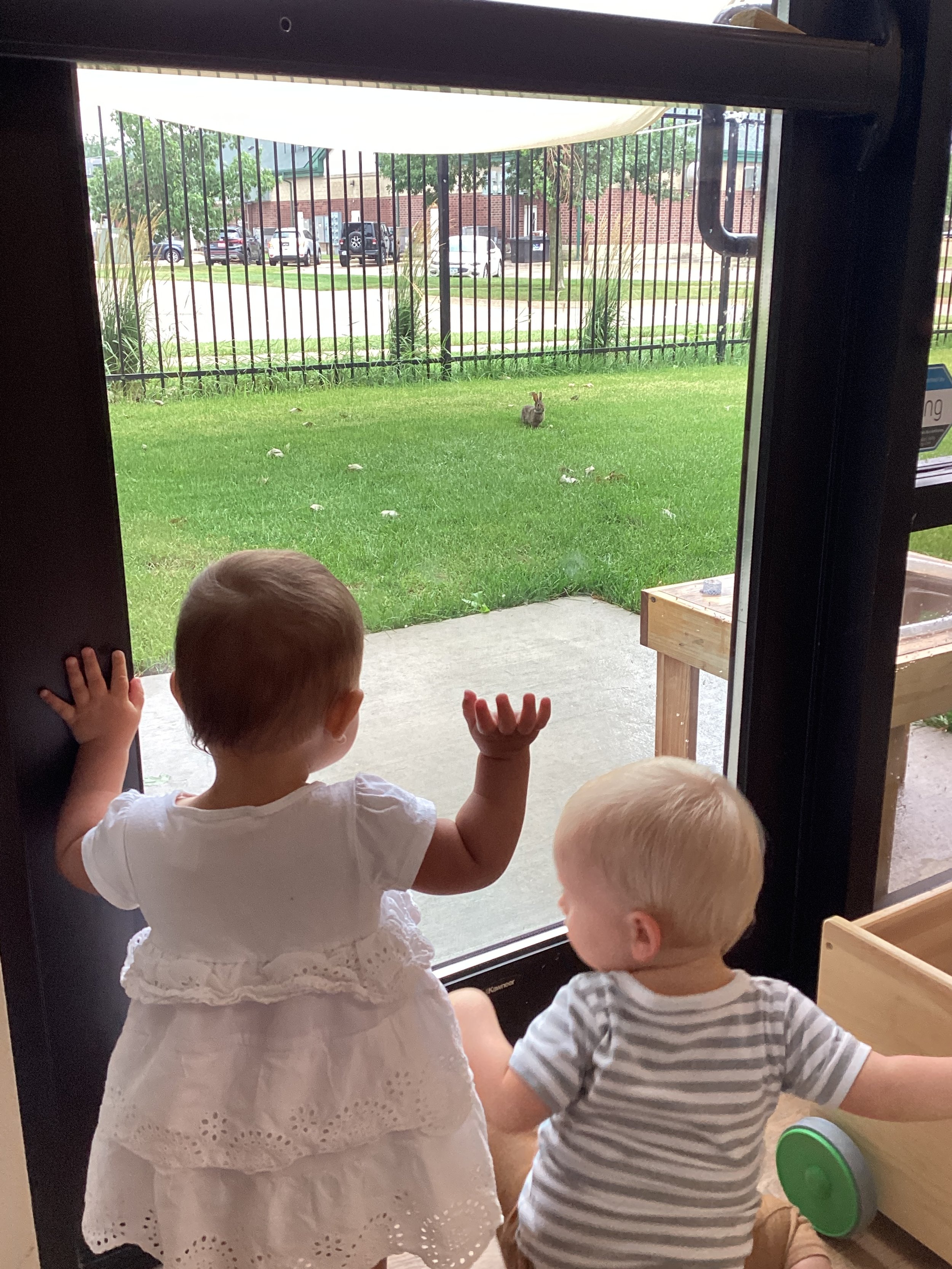
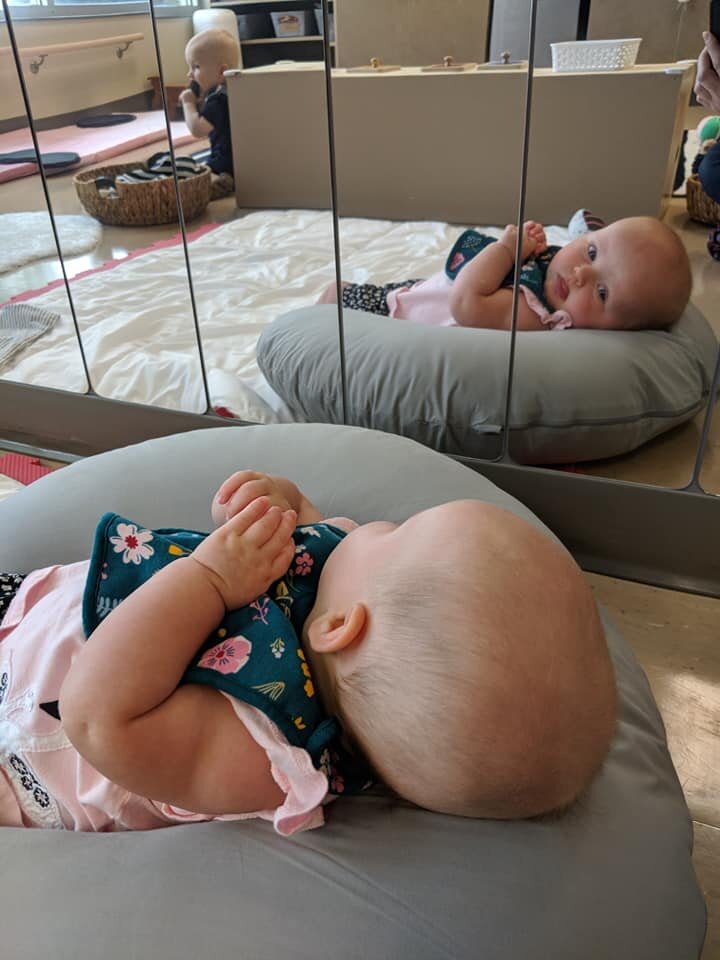
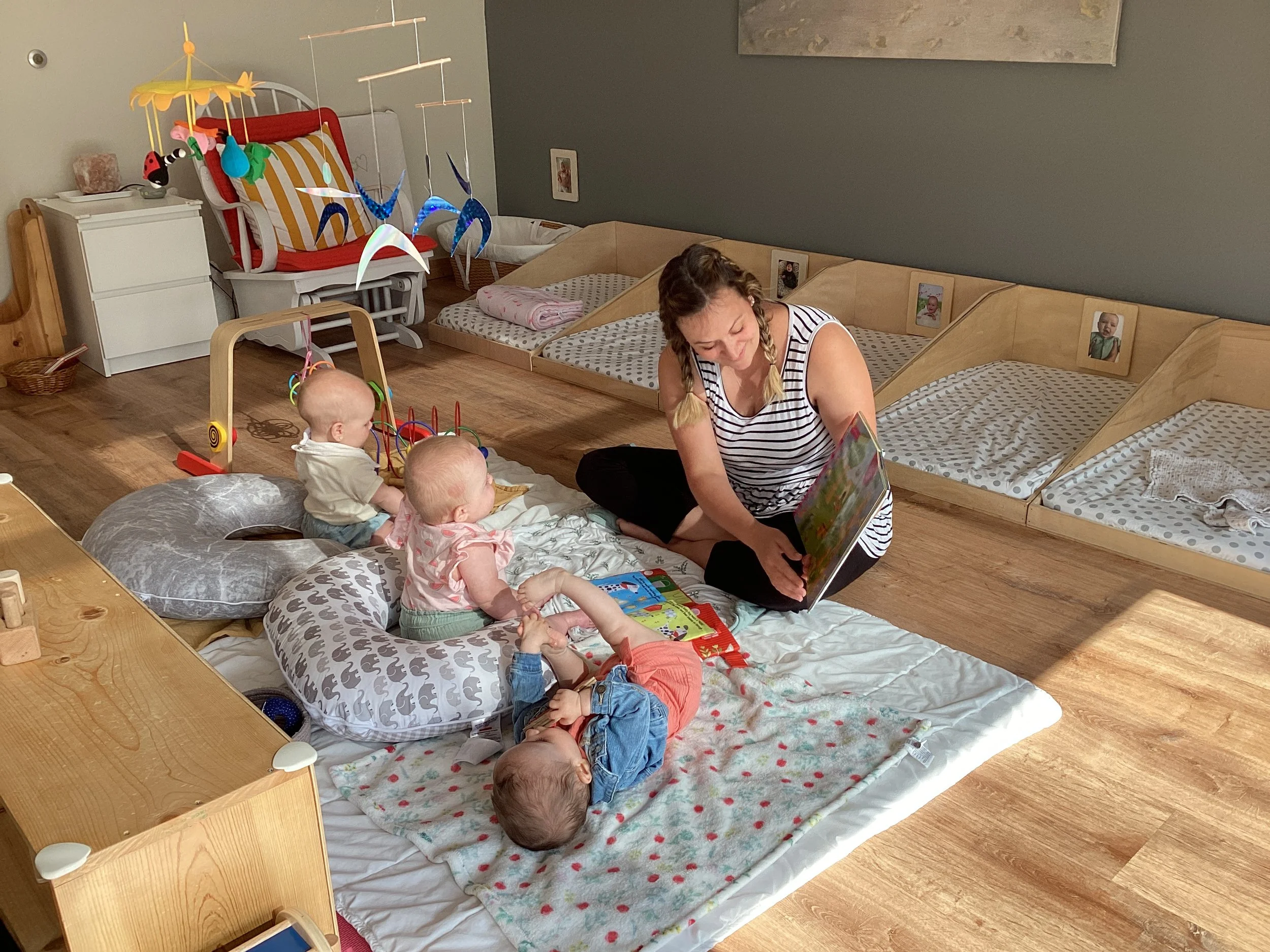
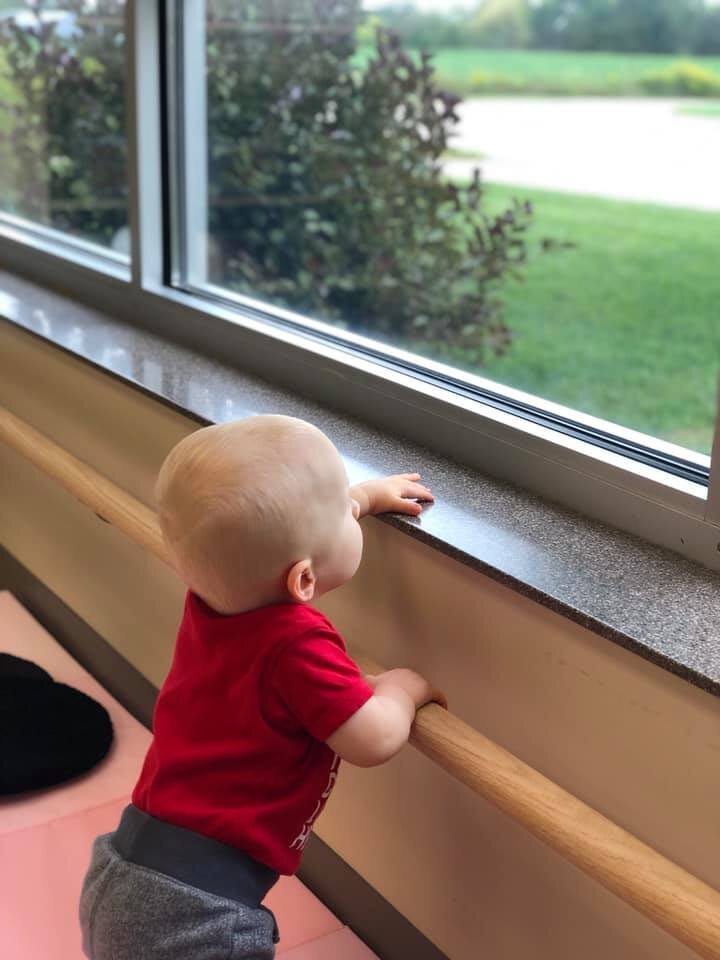
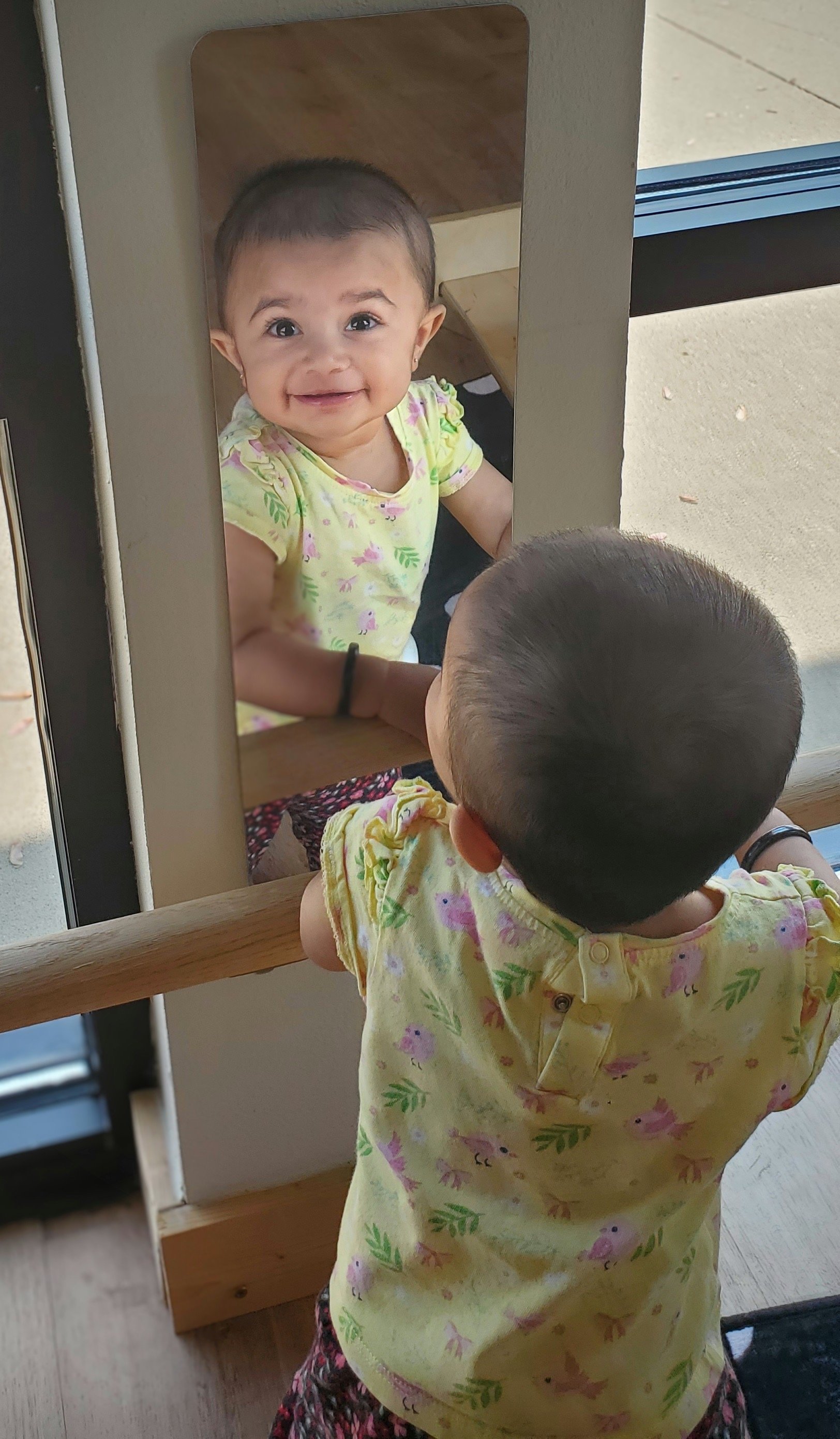
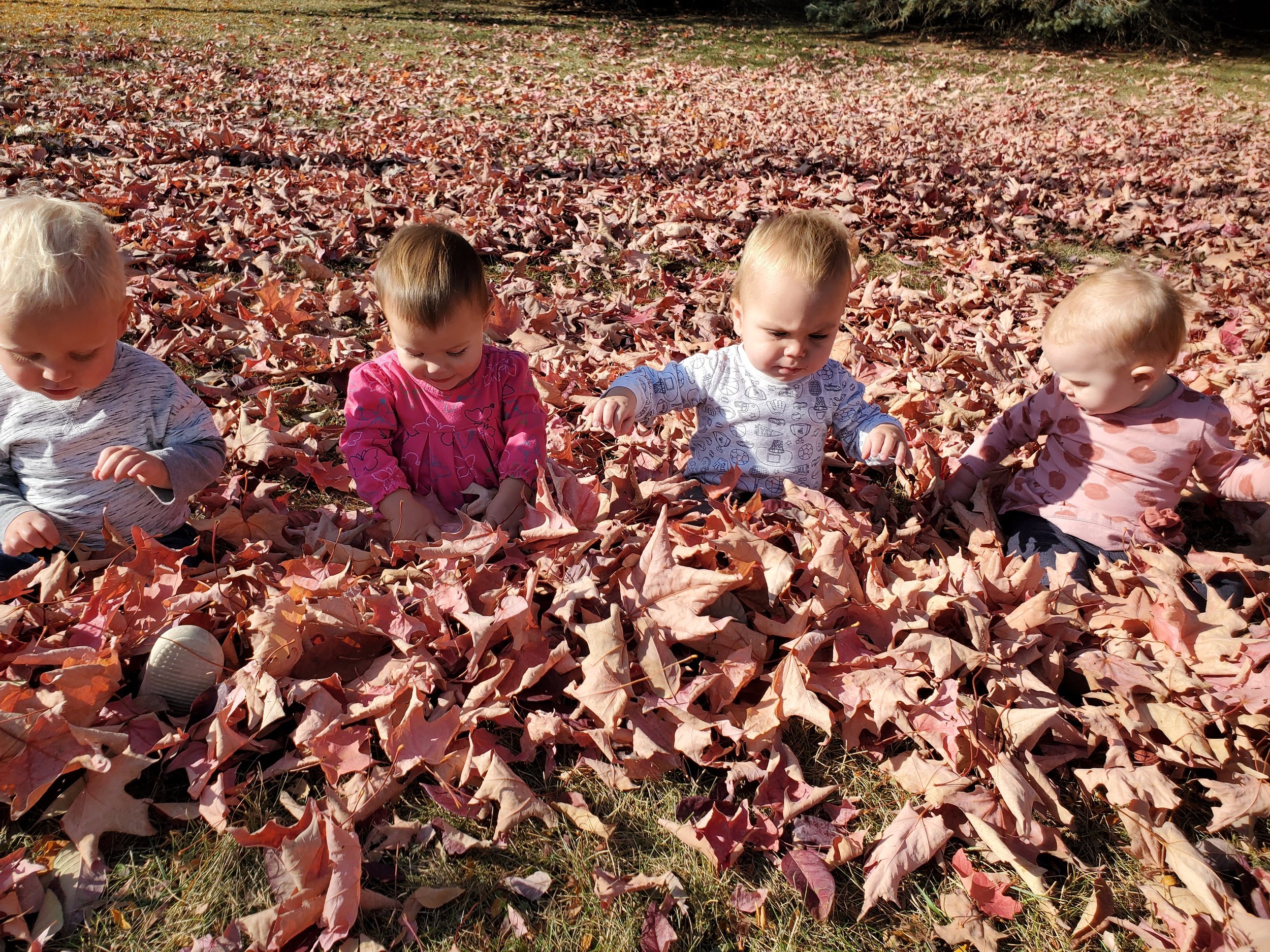
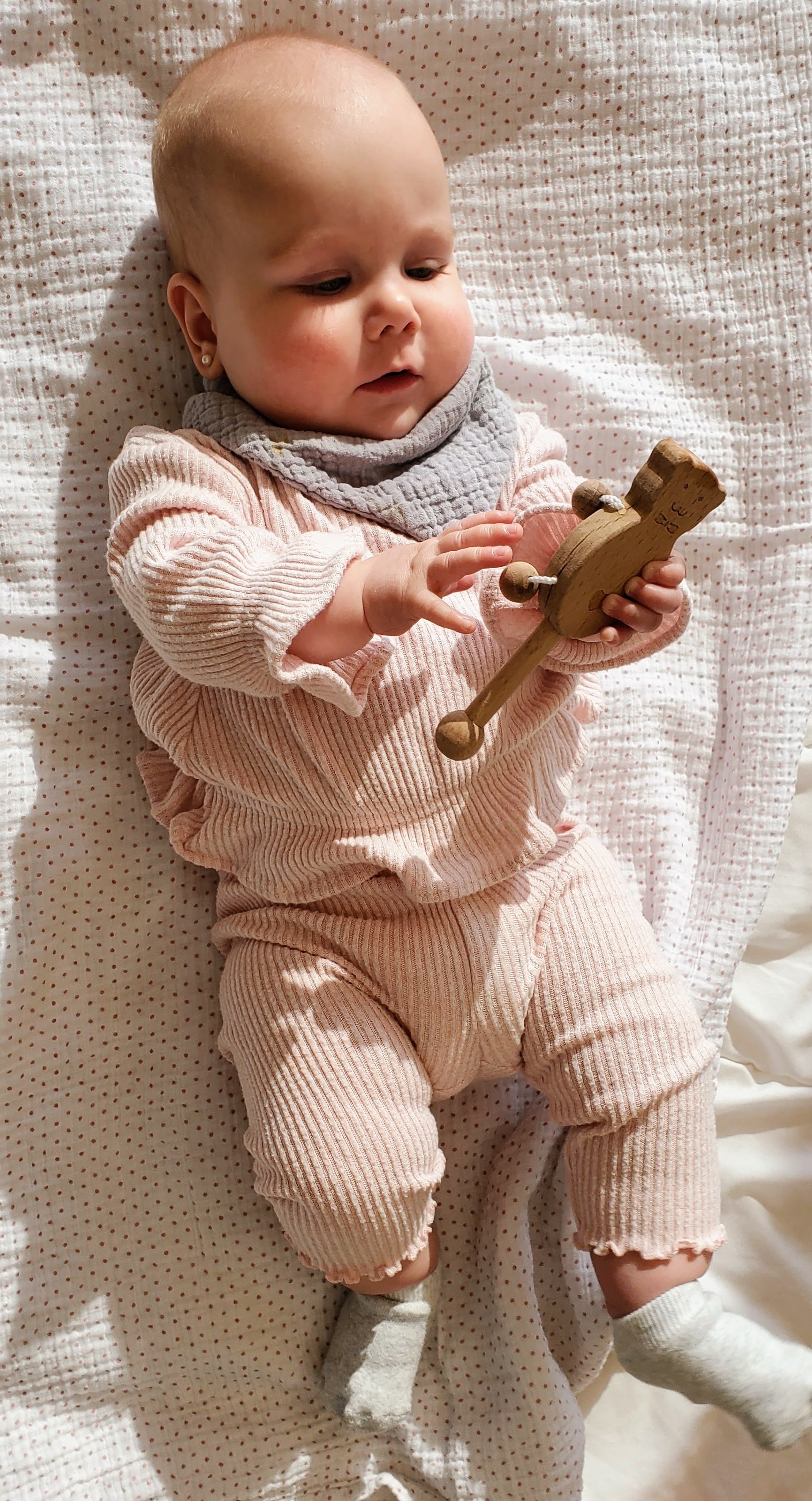
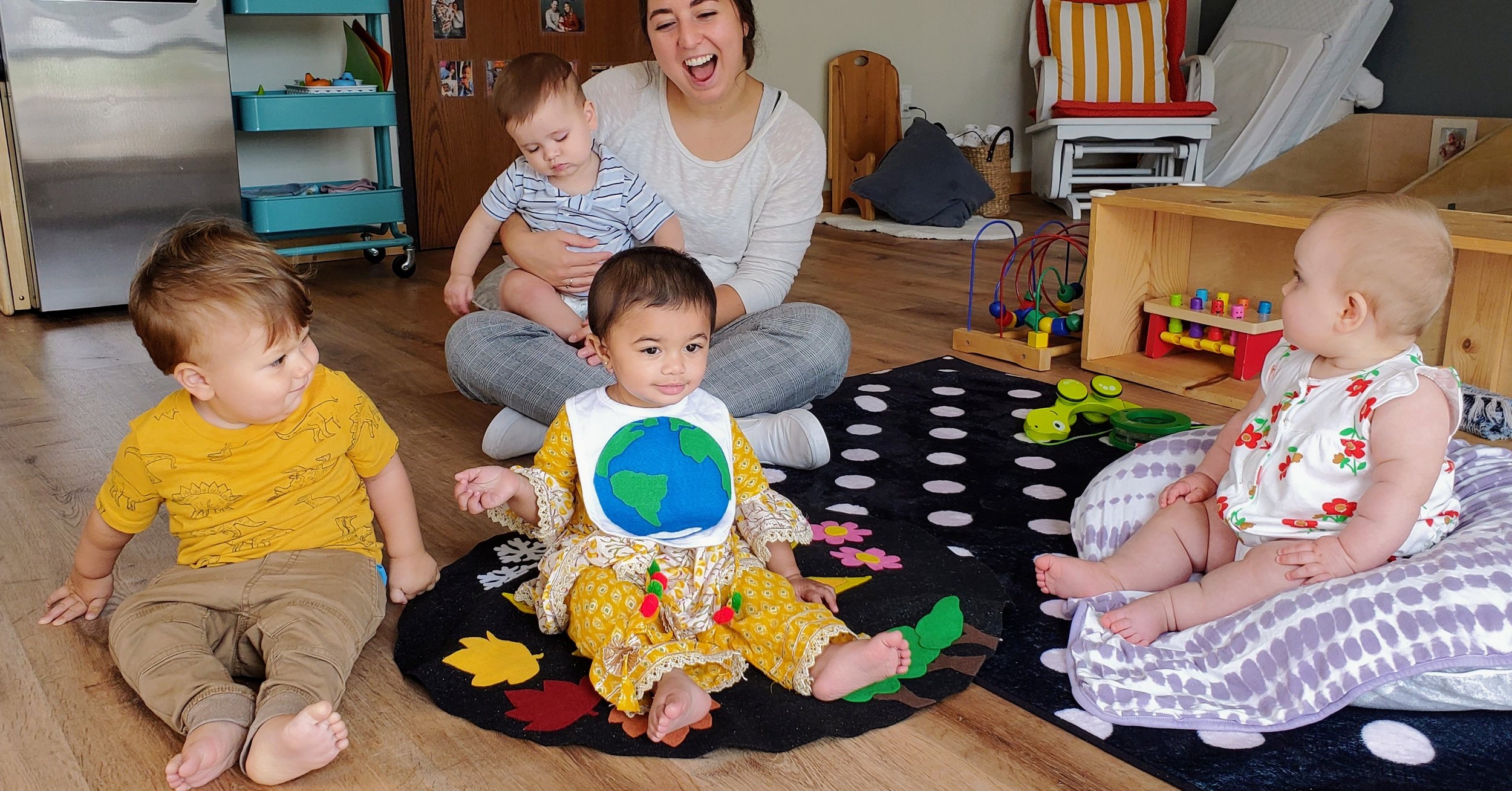
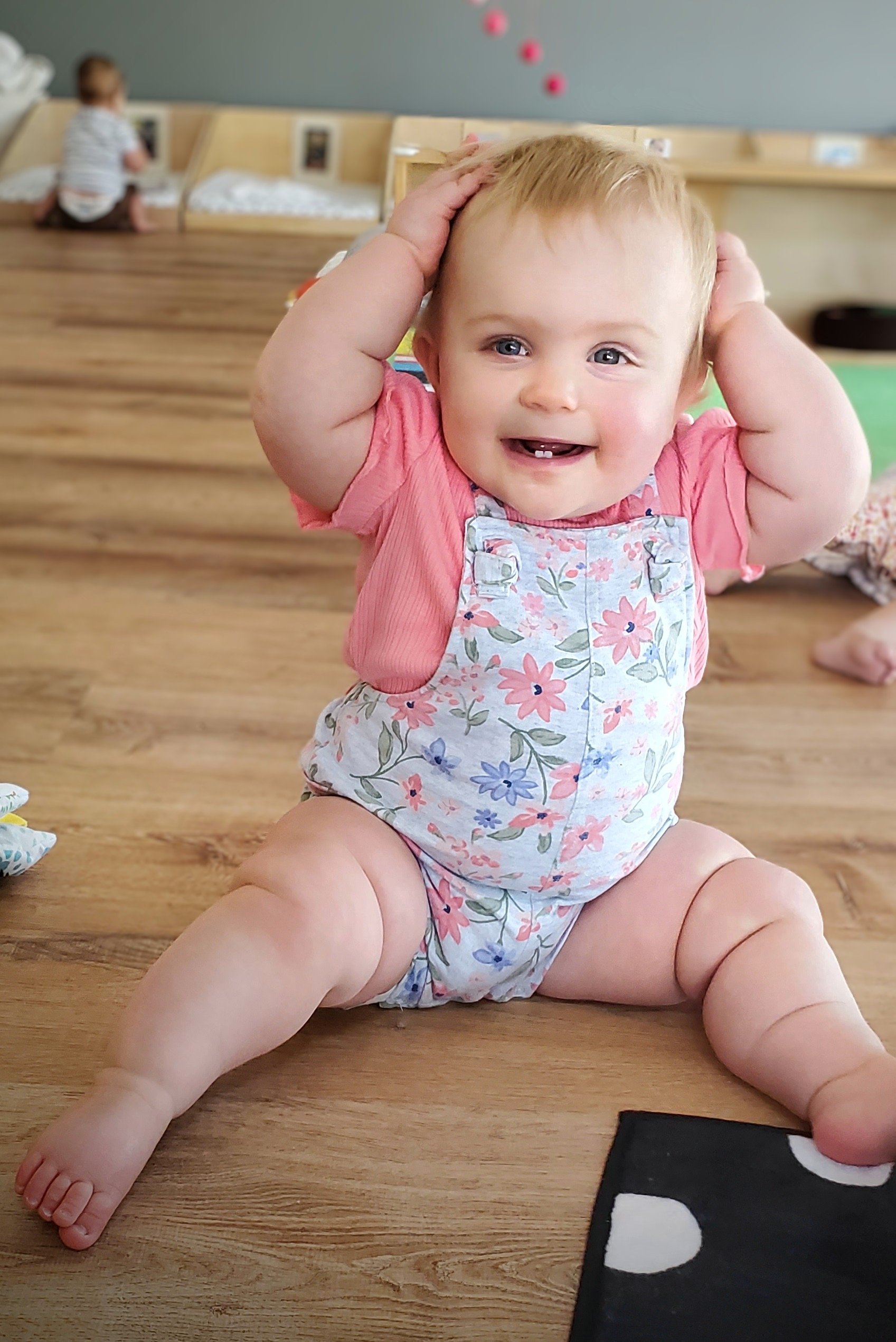
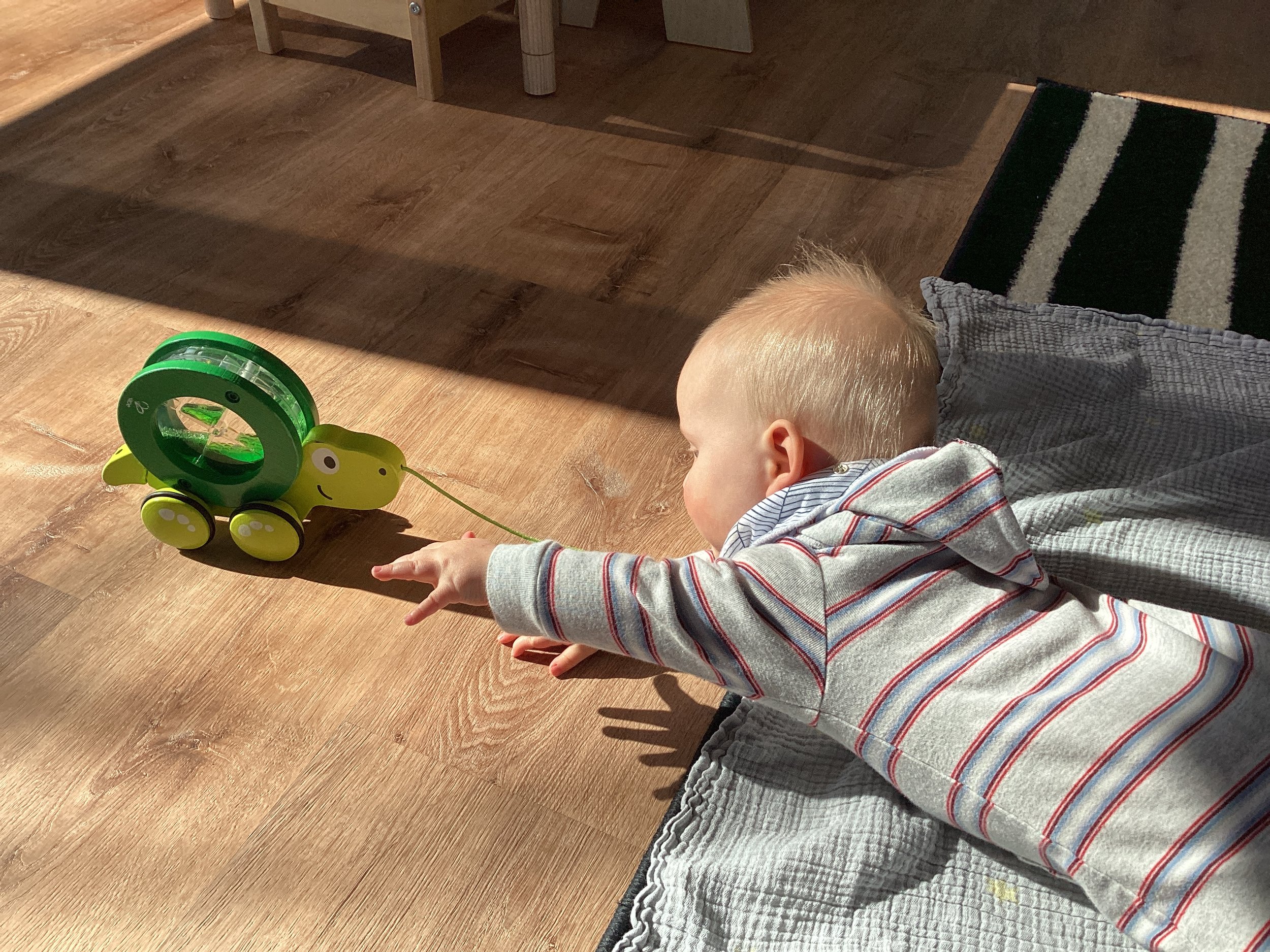
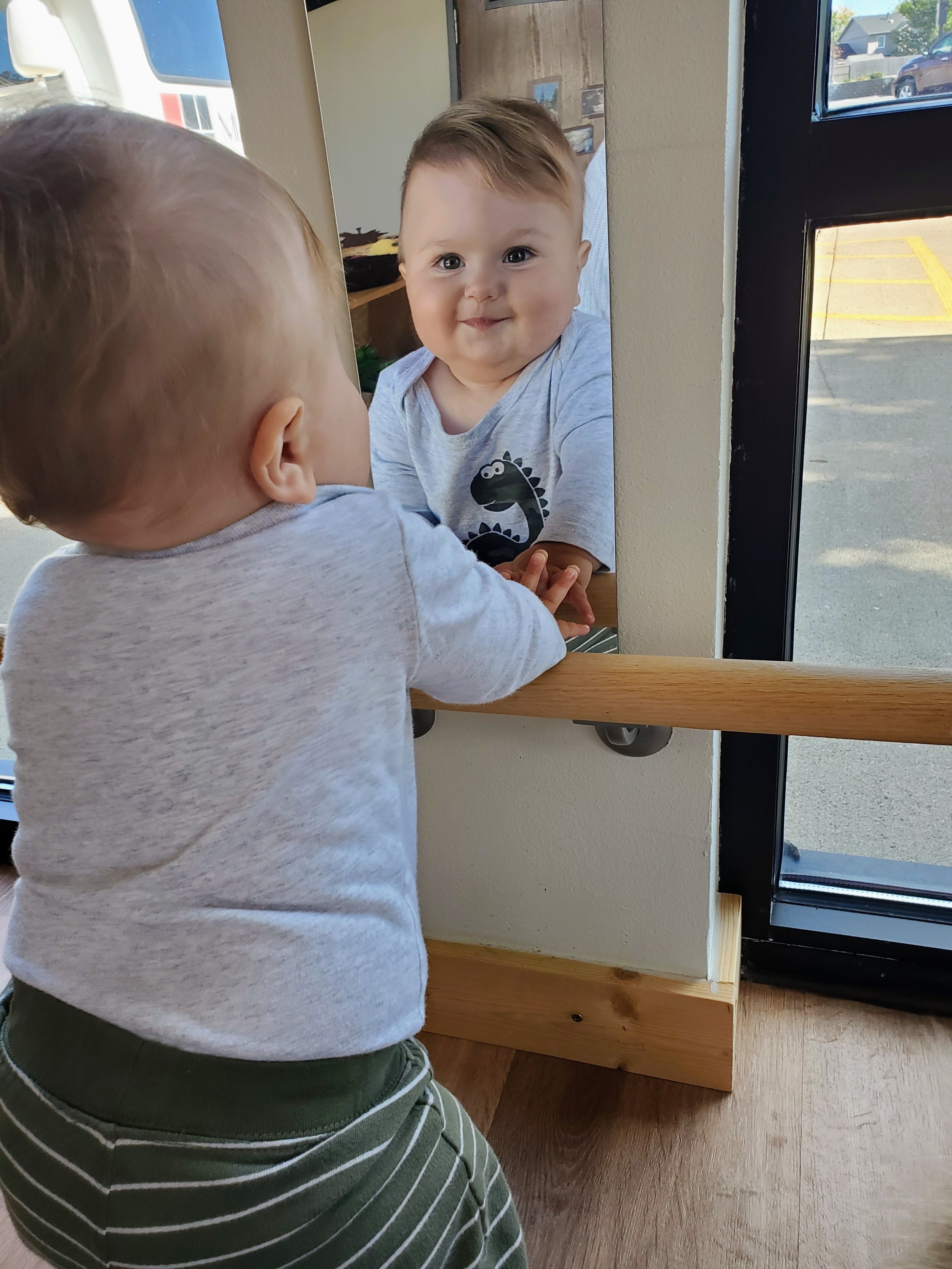
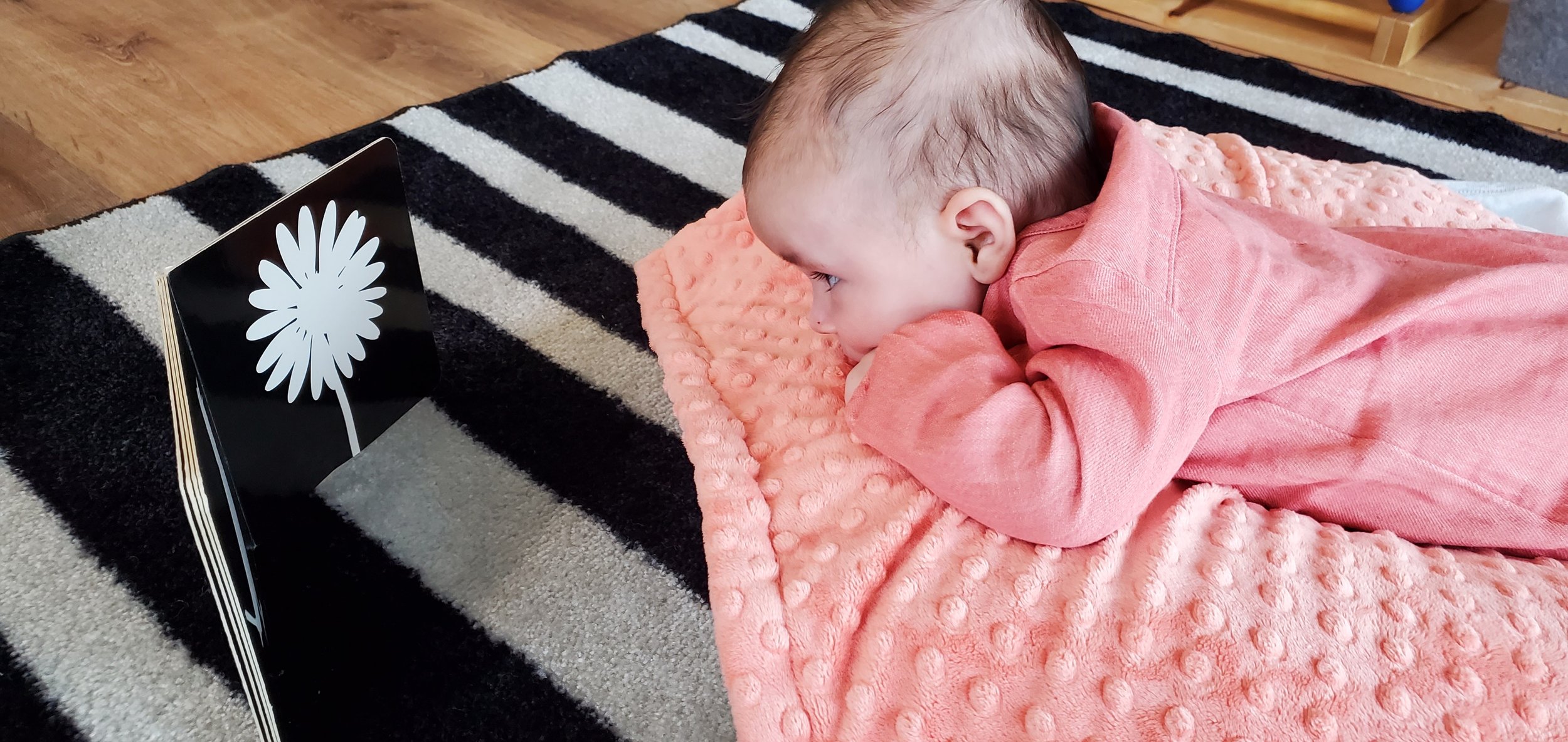
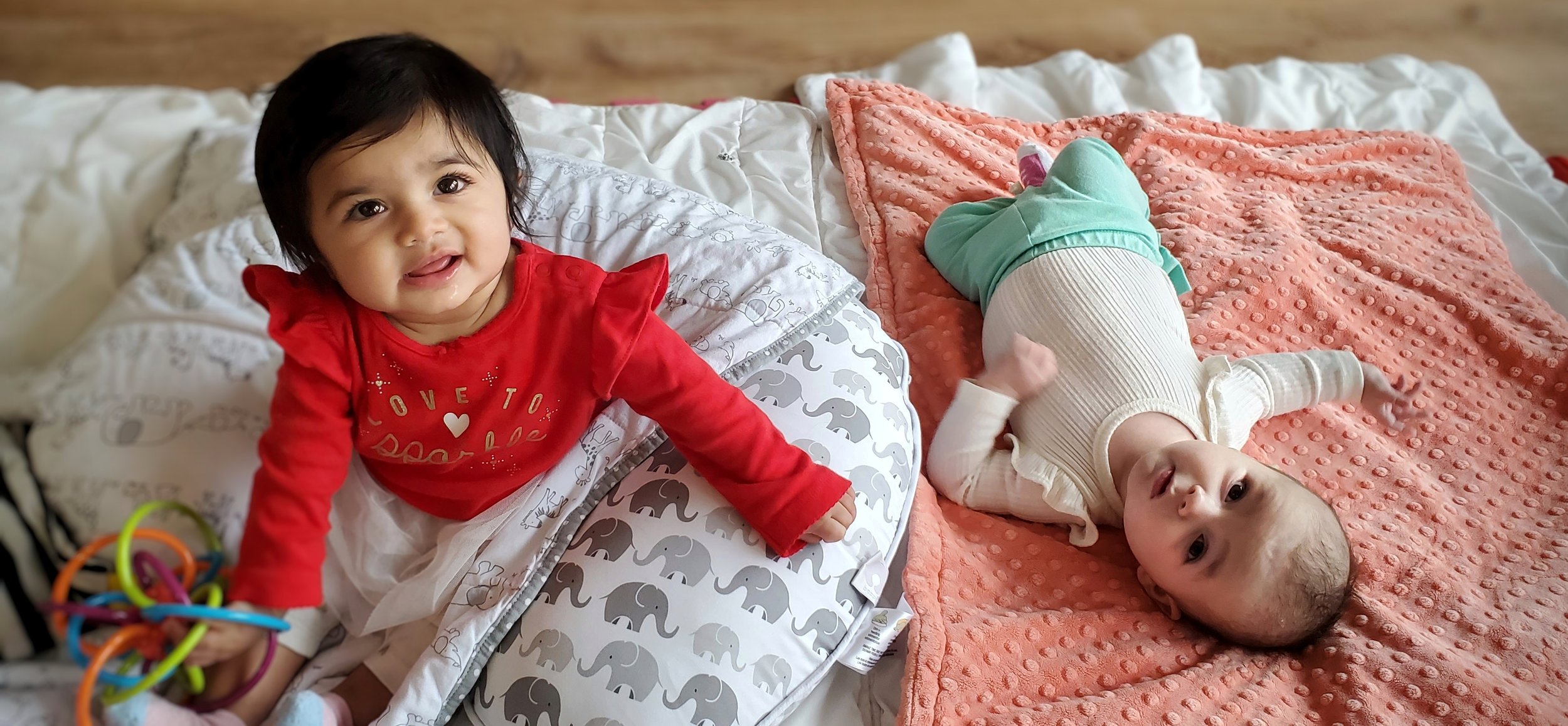
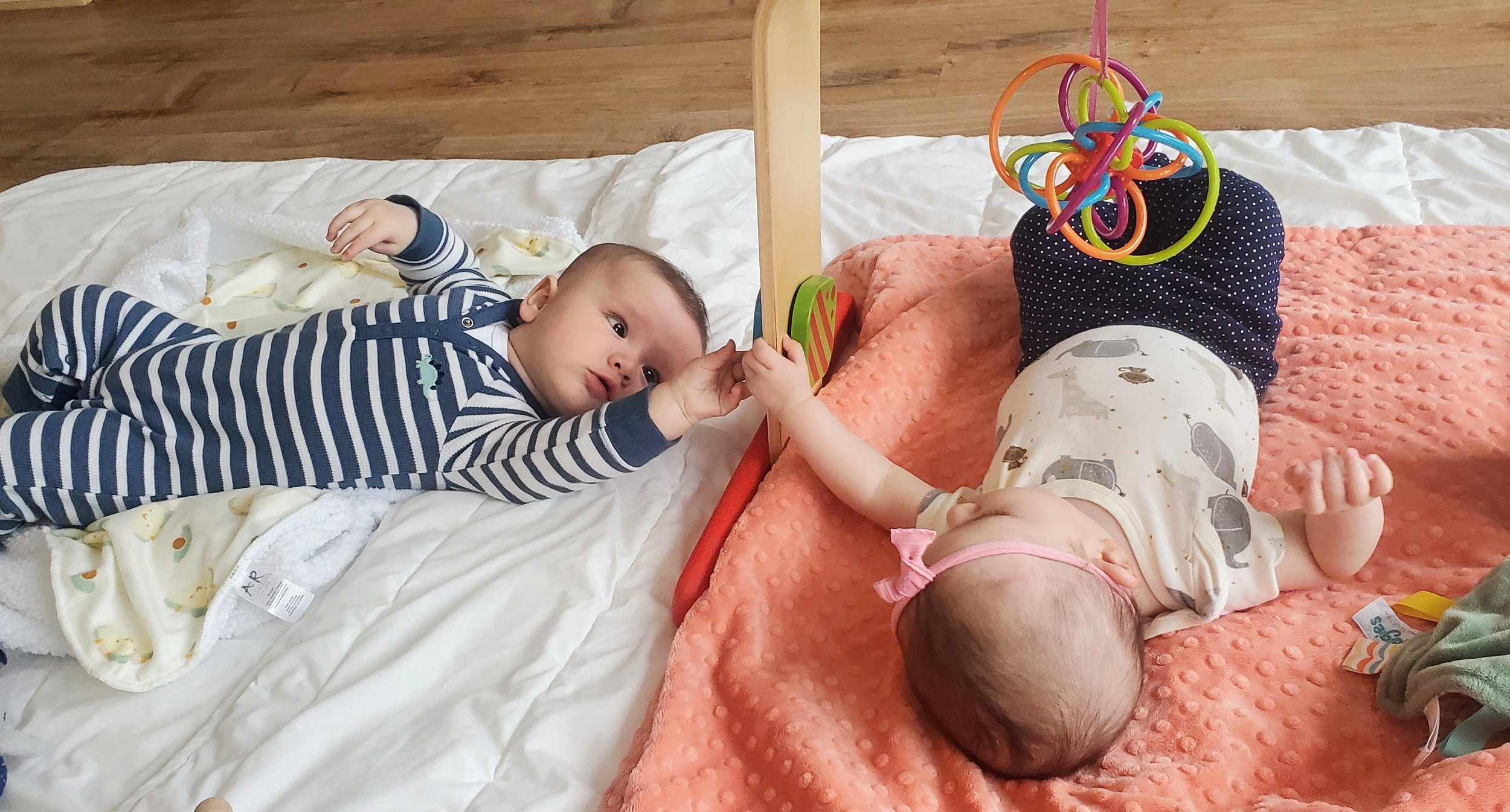
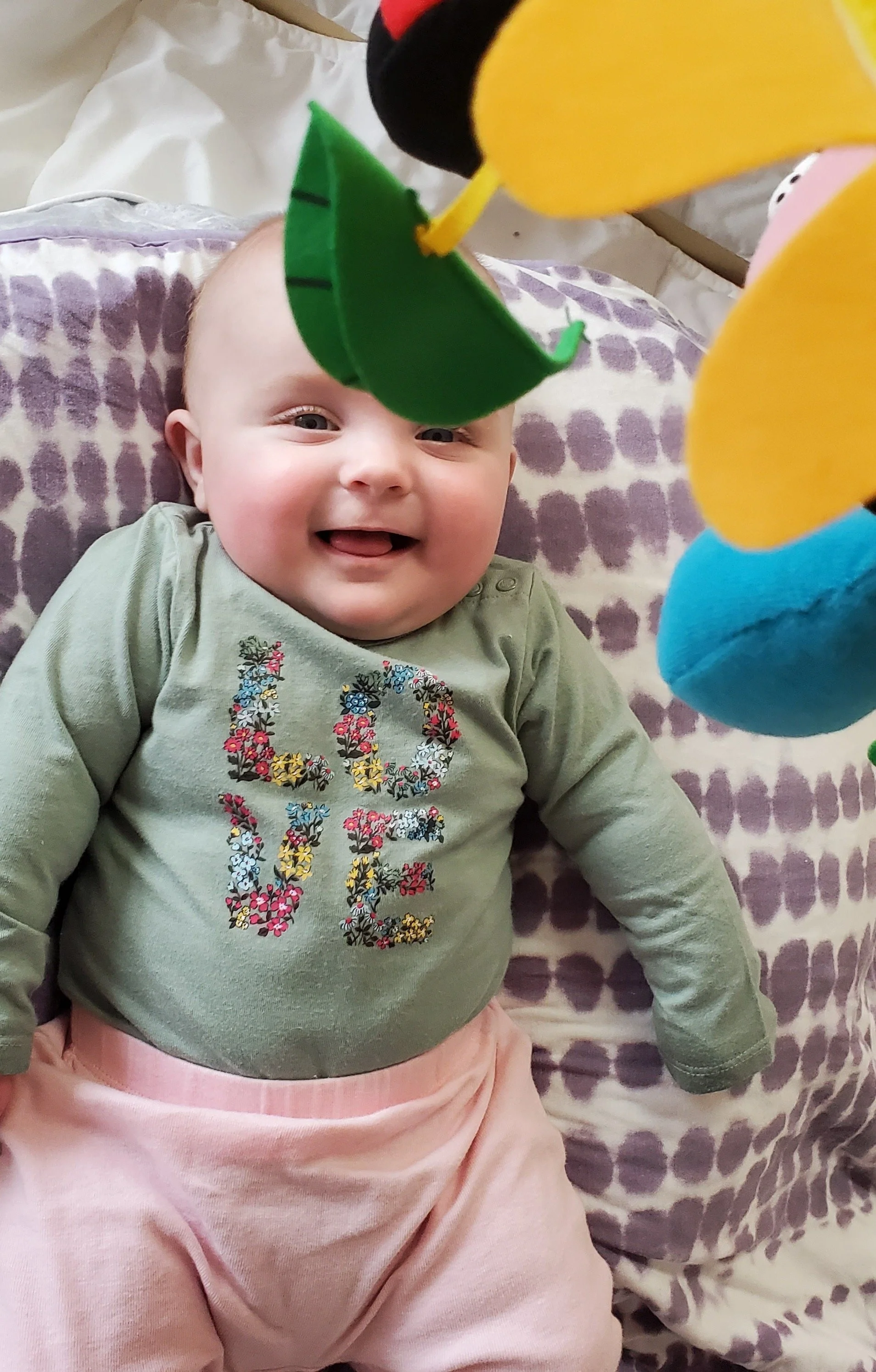
We are proud to introduce our newest class, Nido, a place for our youngest students to become prepared for life. The Nido room serves children from 10 weeks of age to 1.5 years. Nido is the Italian word for nest and that is exactly what this class is—a nest that serves as a first introduction to the world for our smallest children in which they may grow and develop according to Maria Montessori’s philosophy.

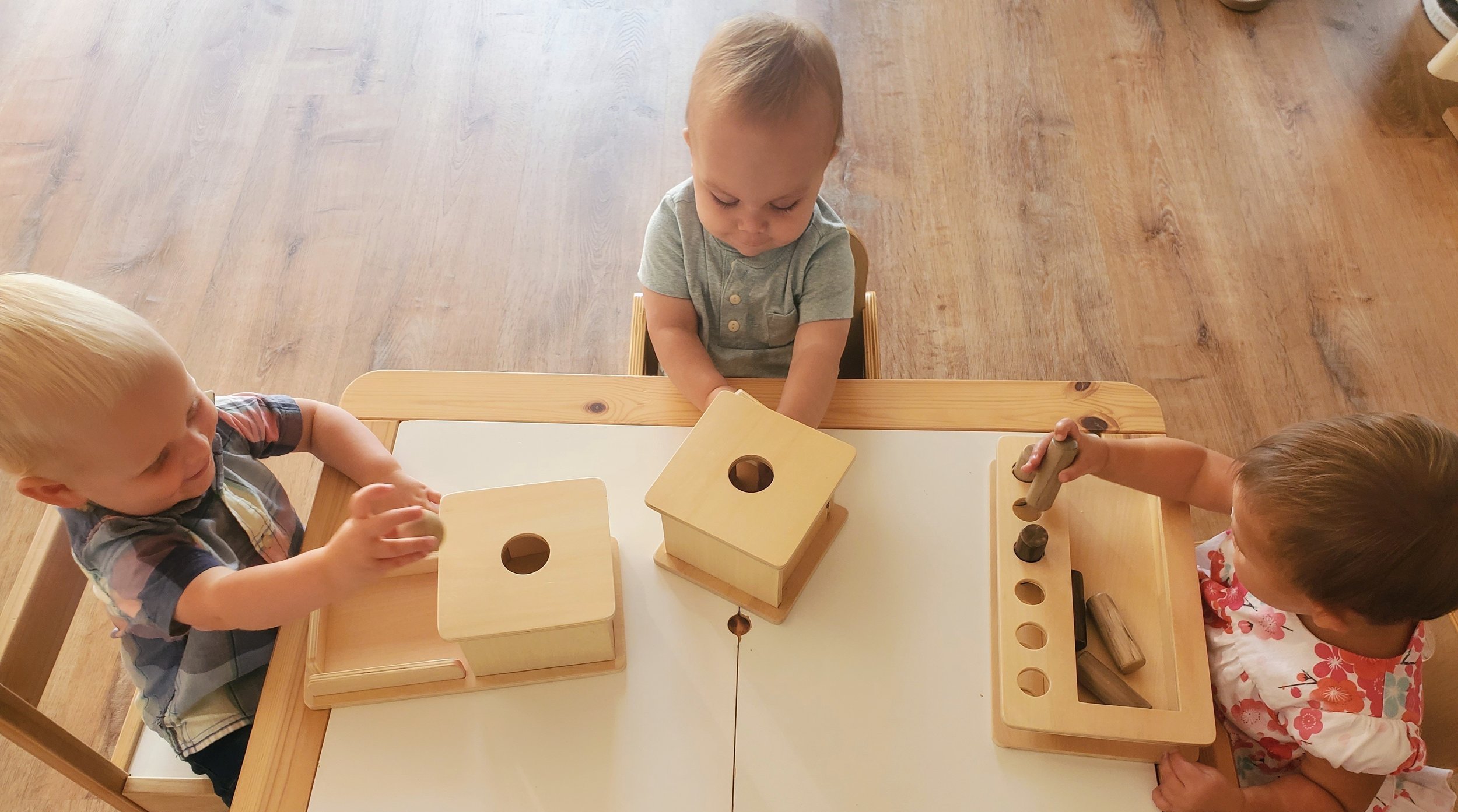
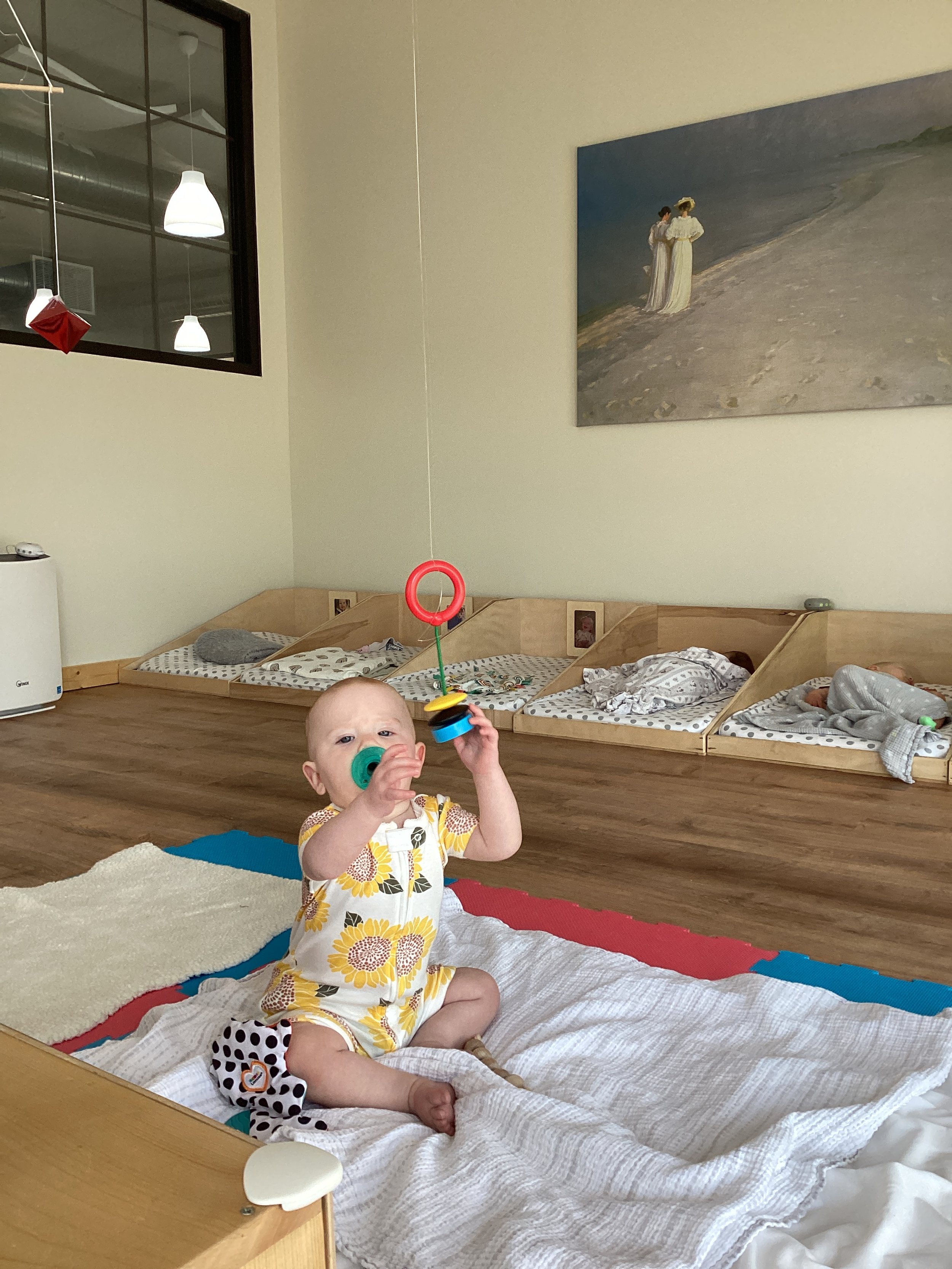
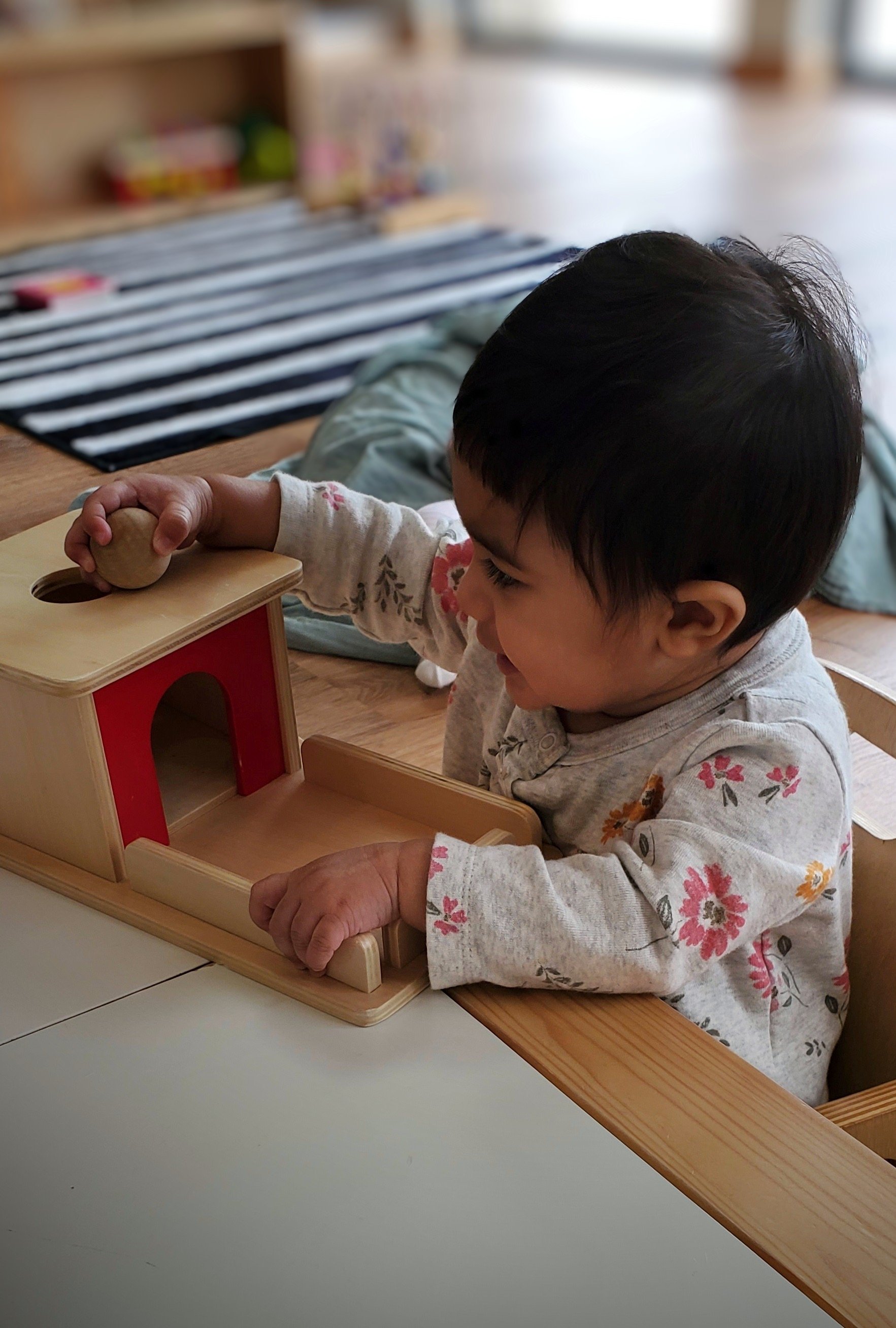
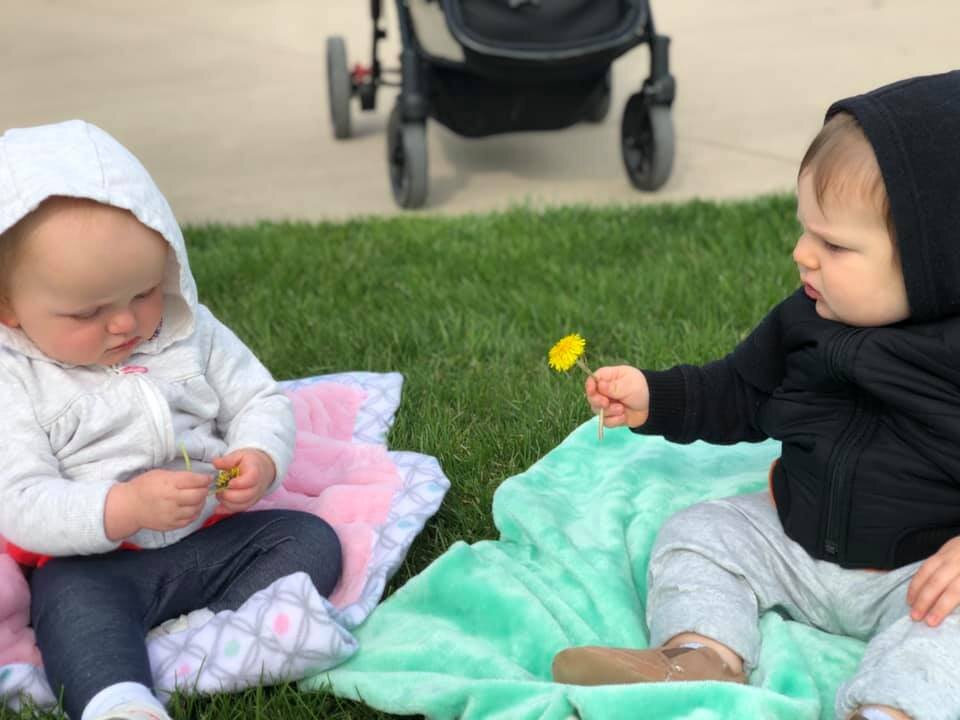
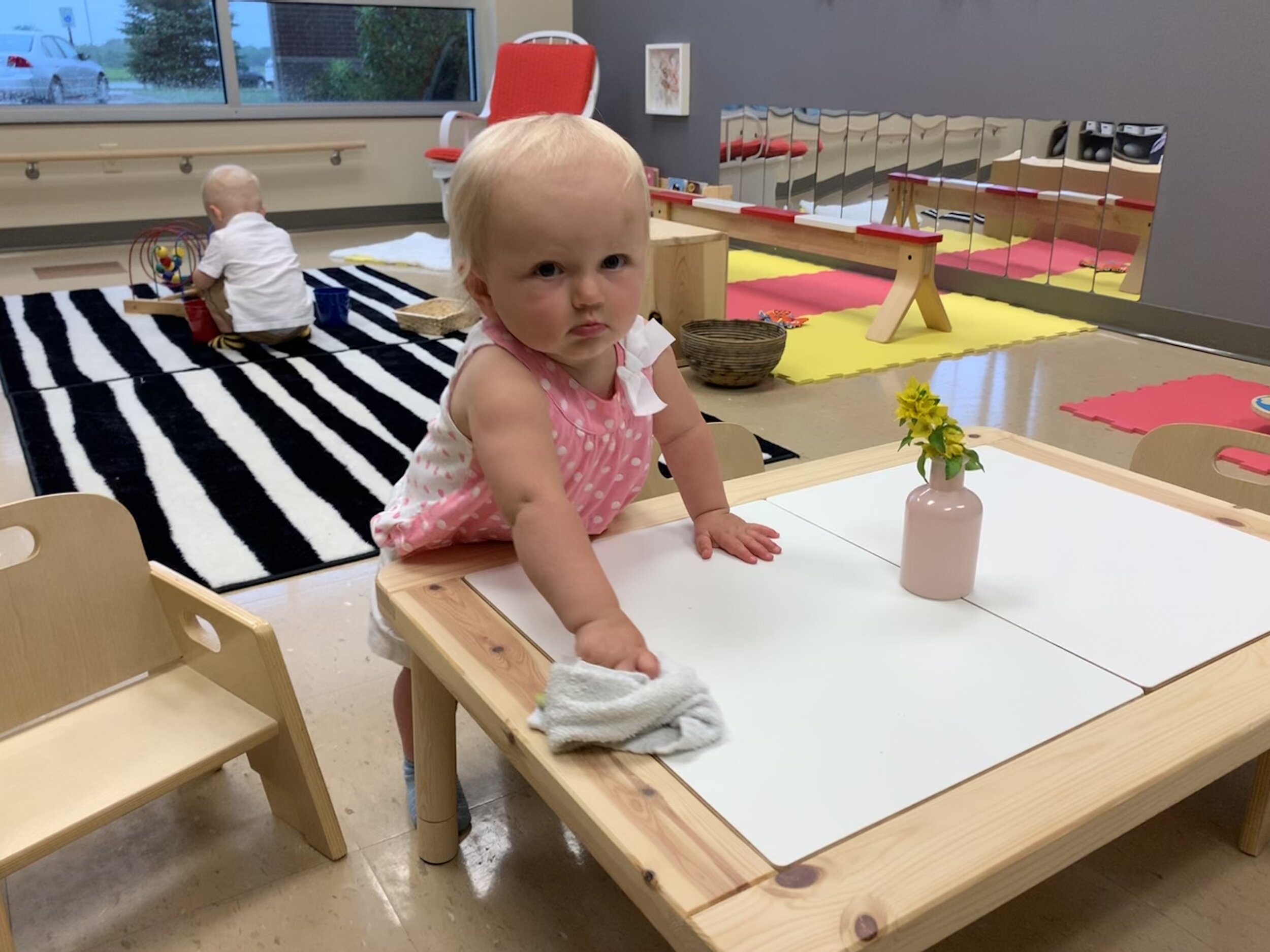
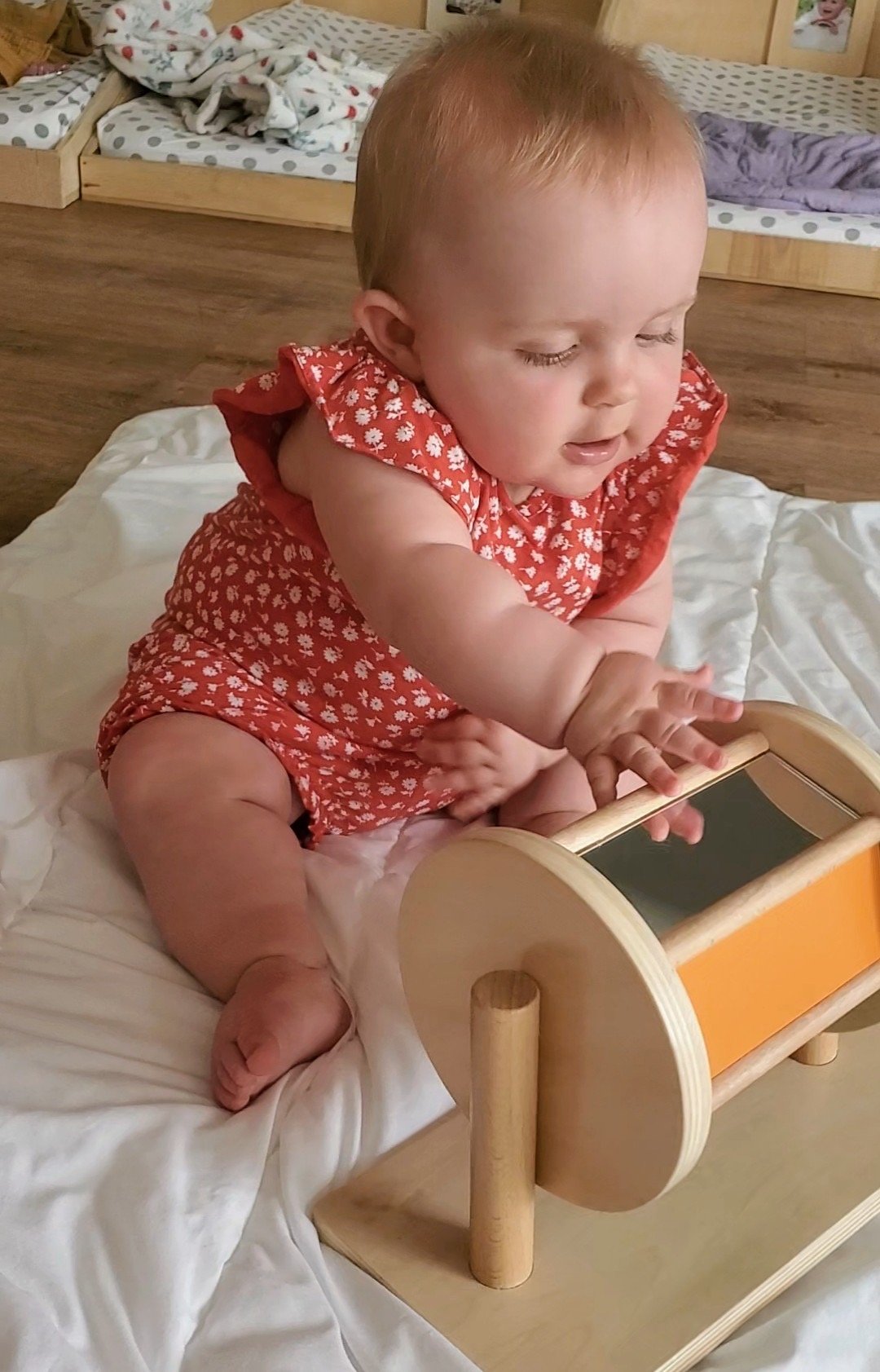
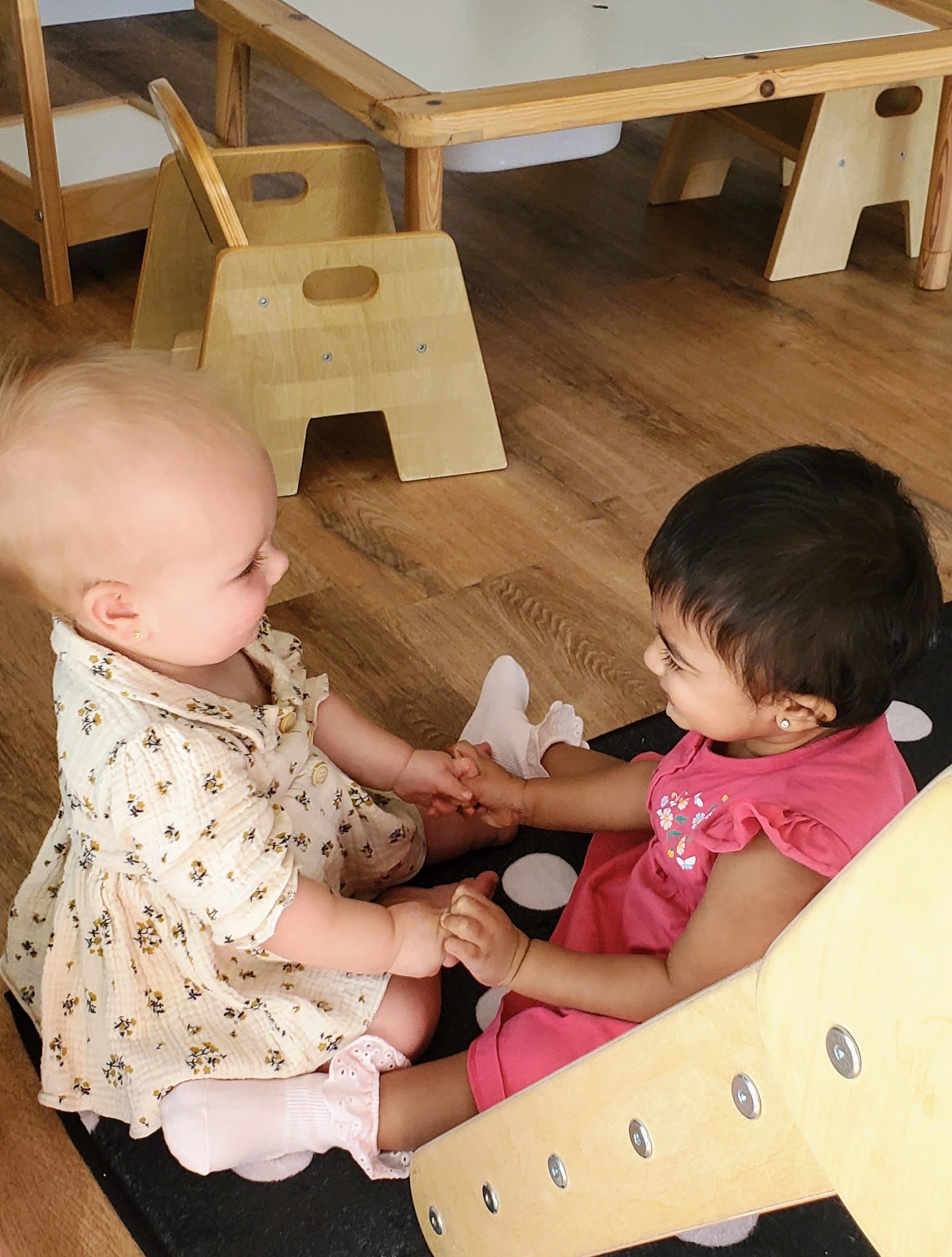
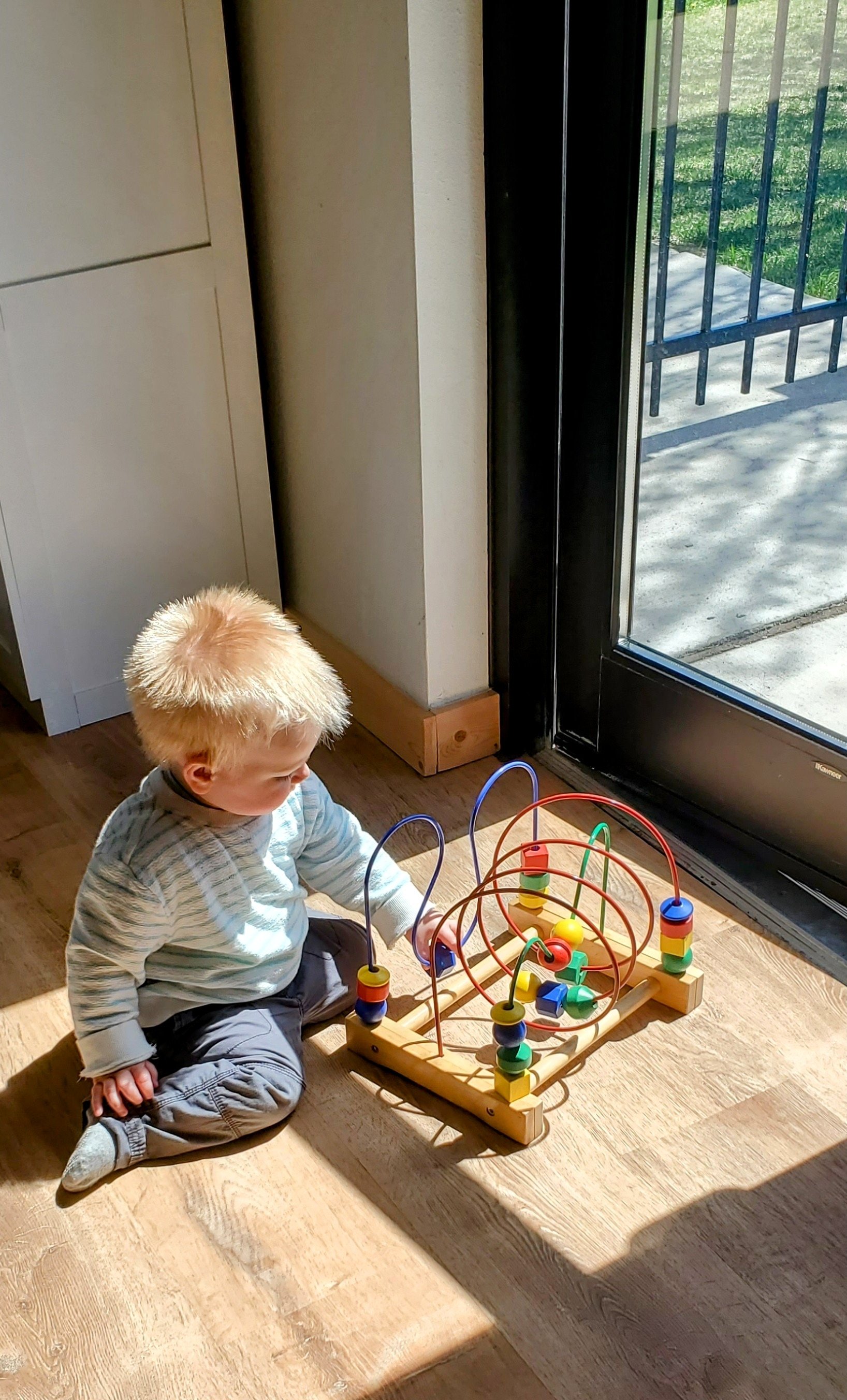
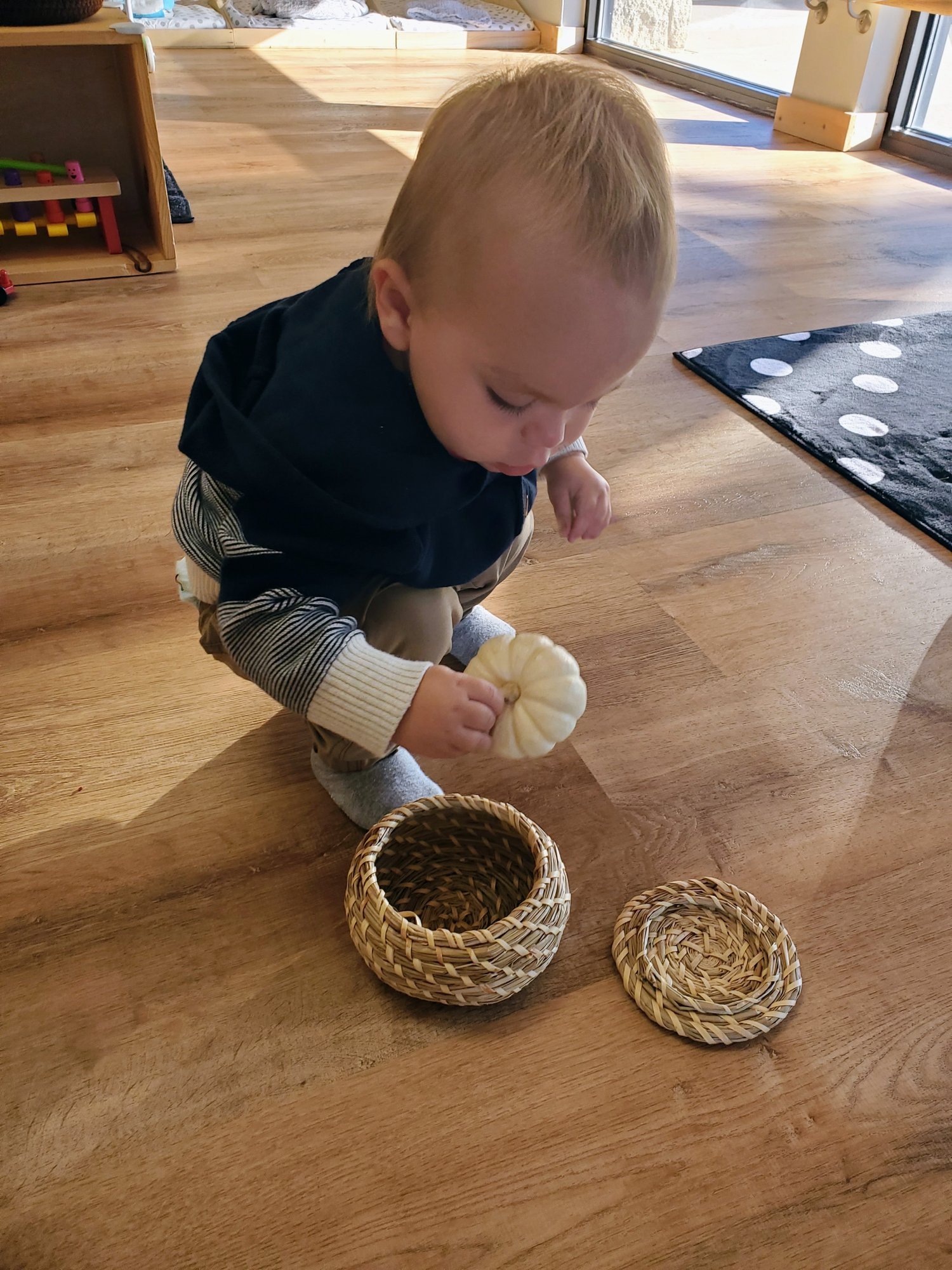
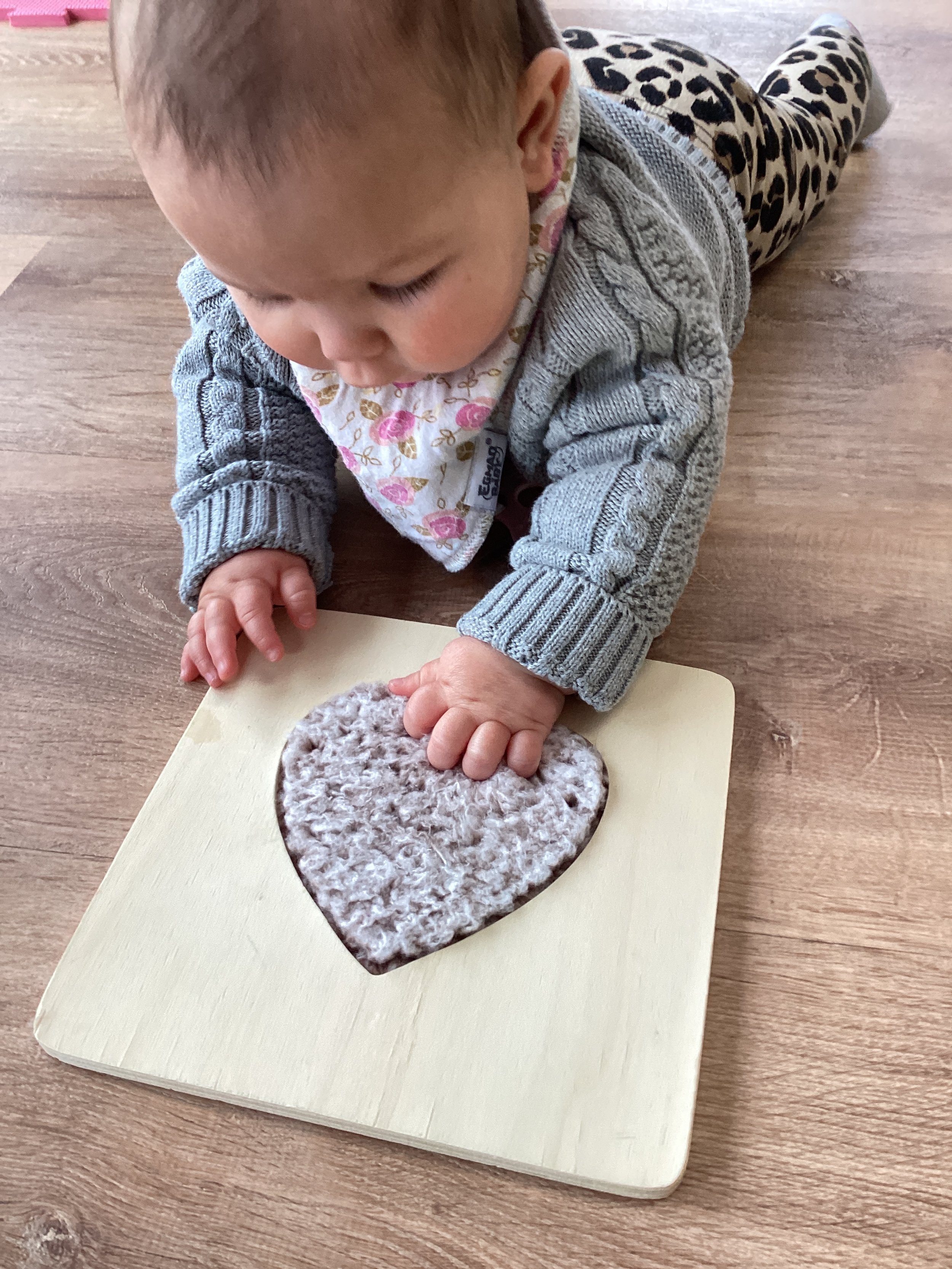
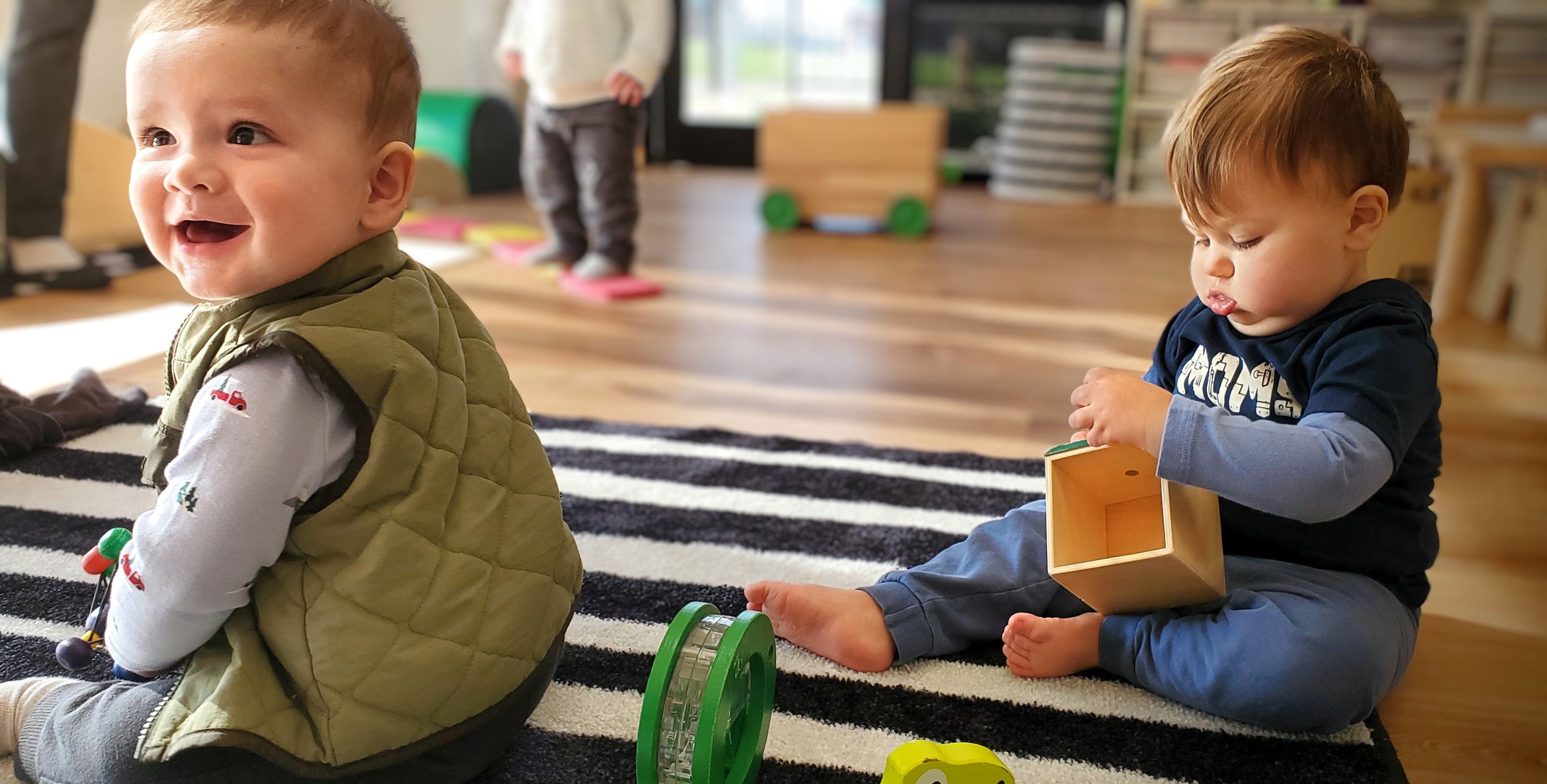
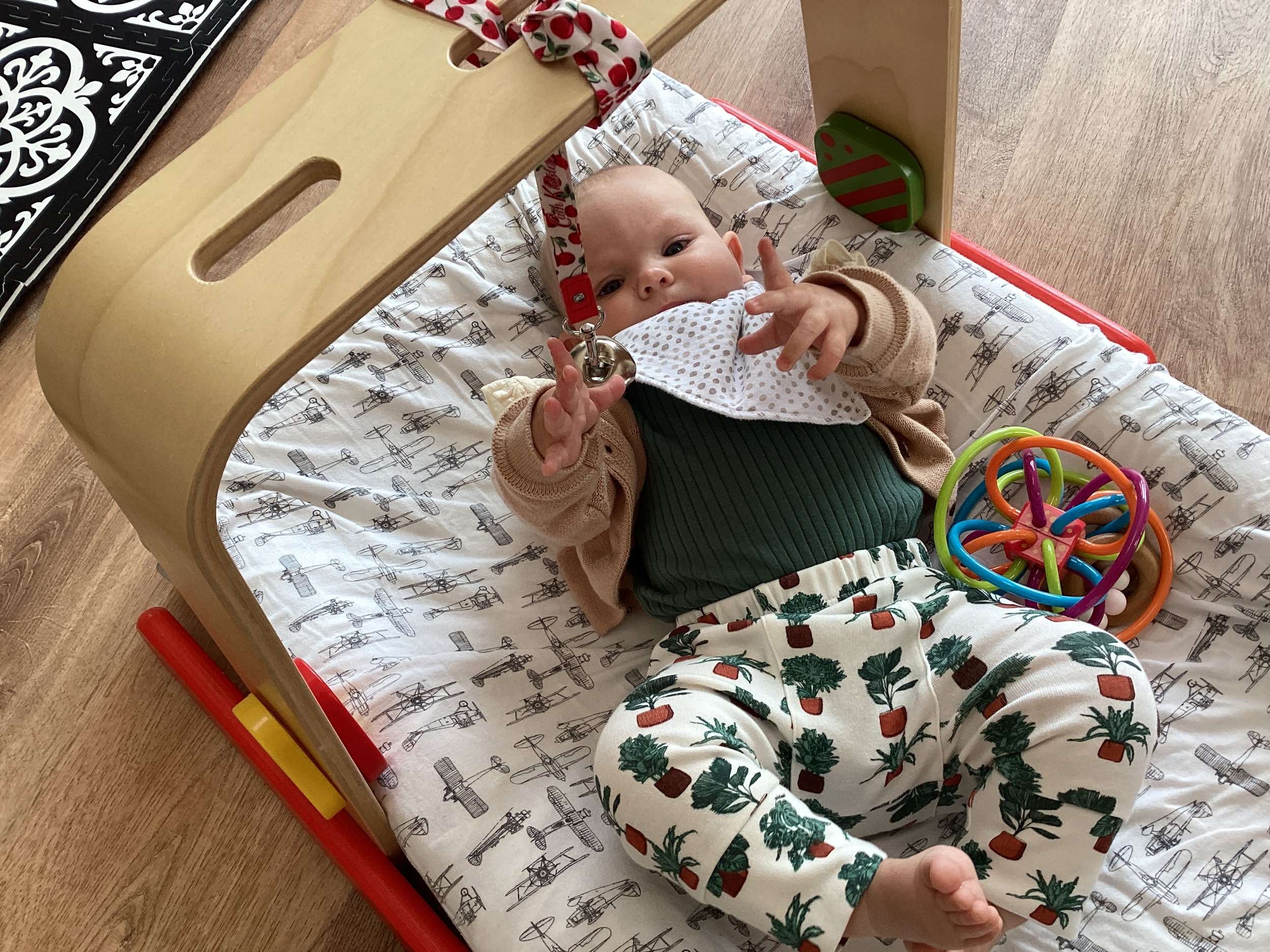
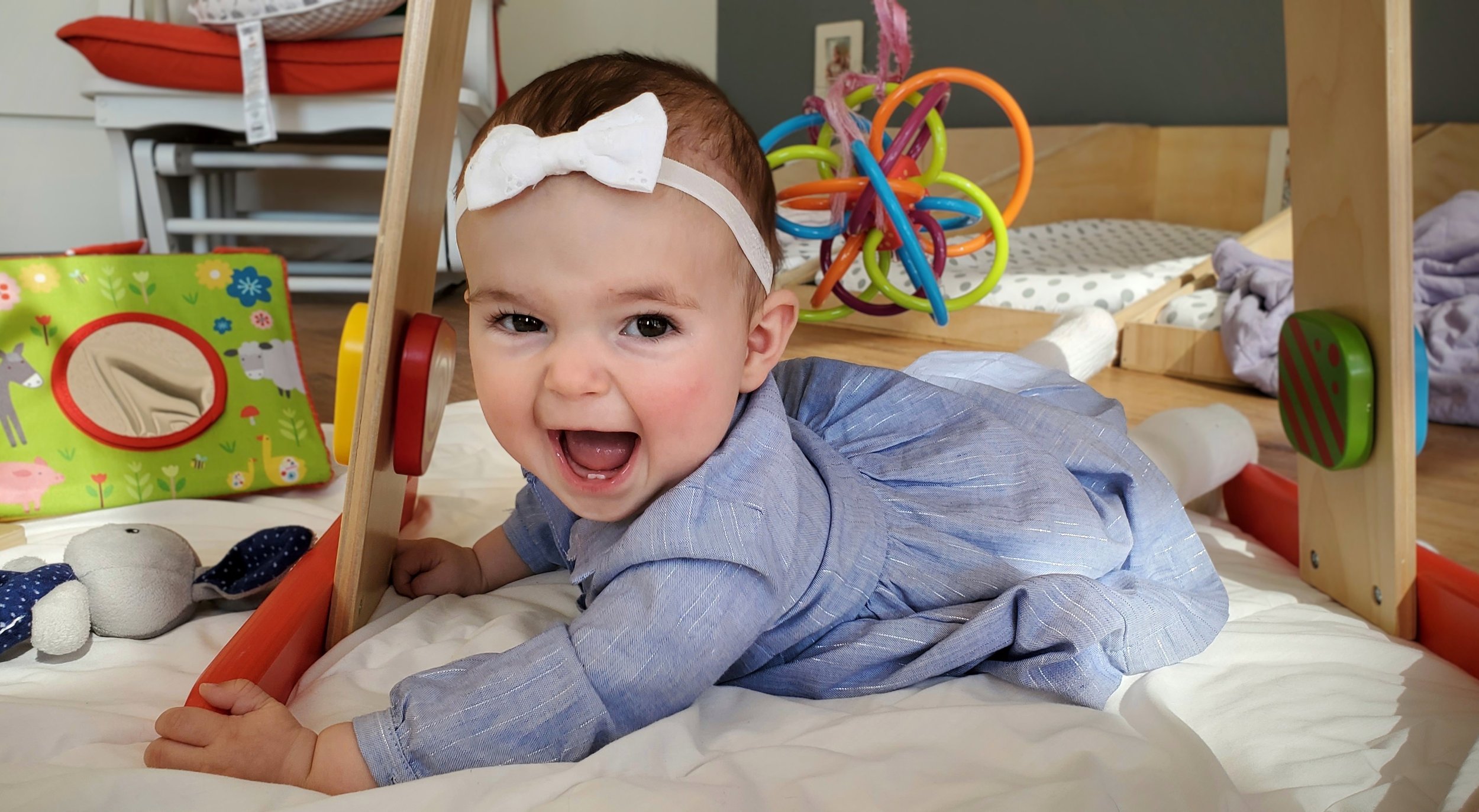
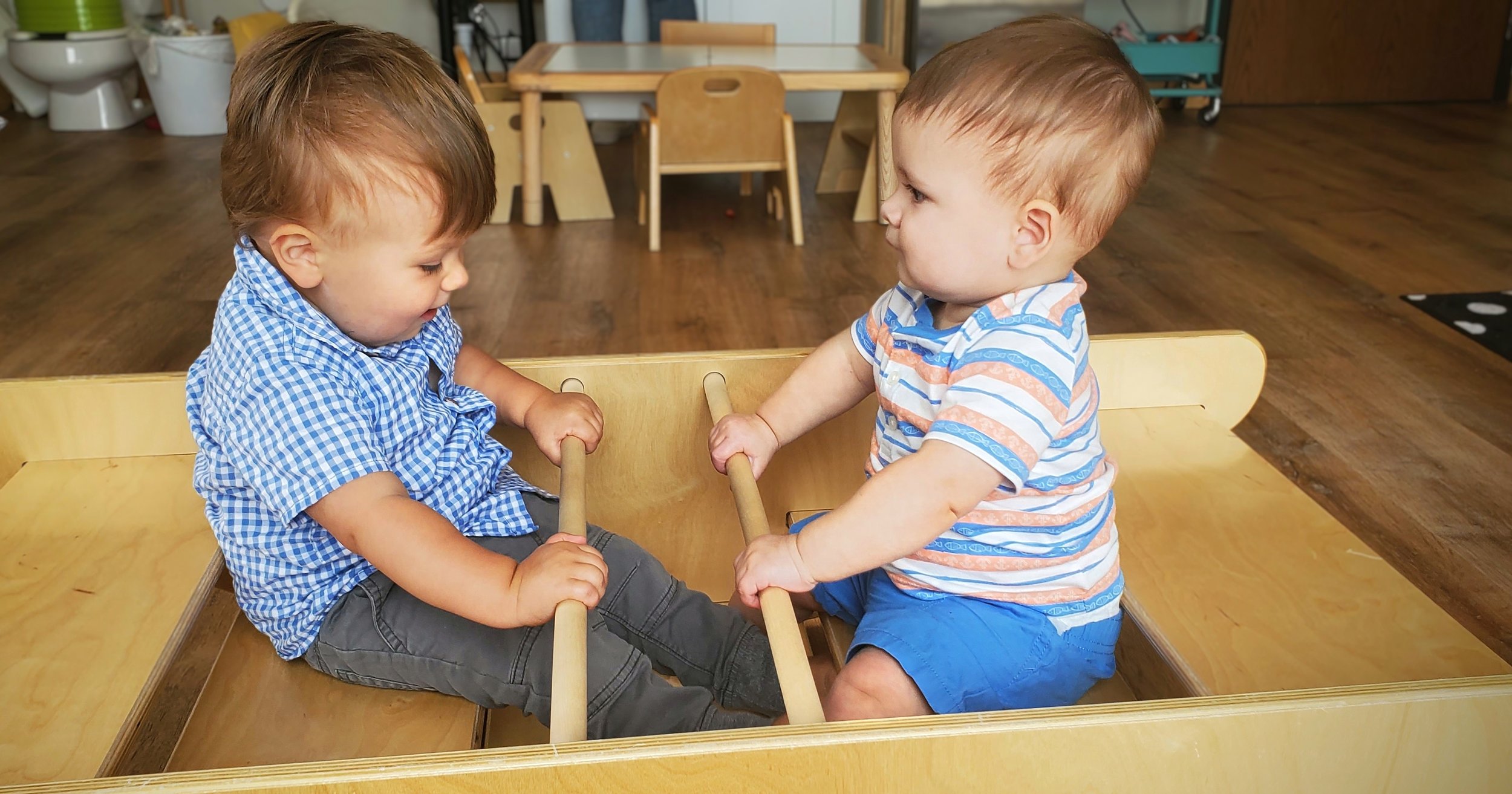
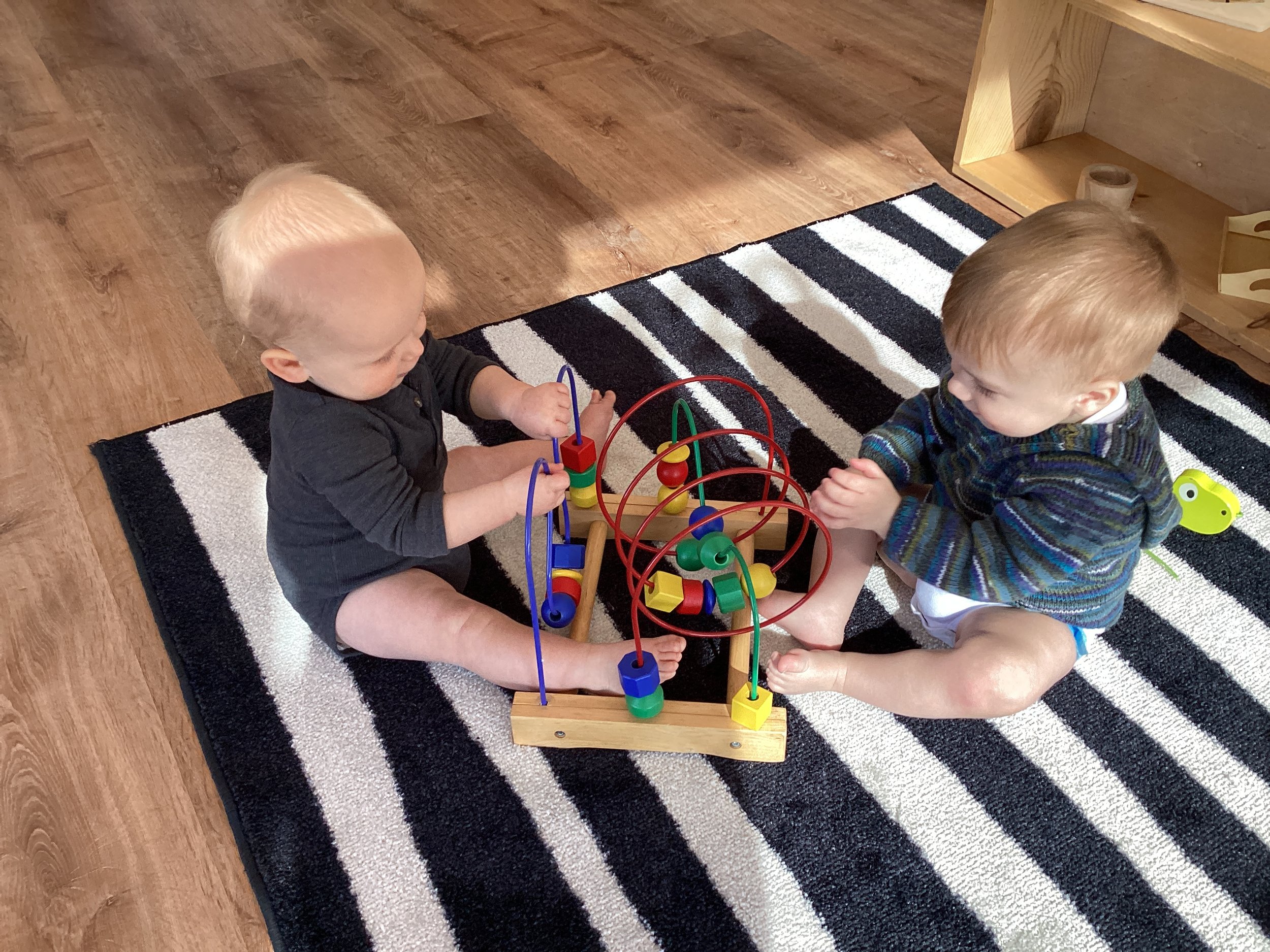
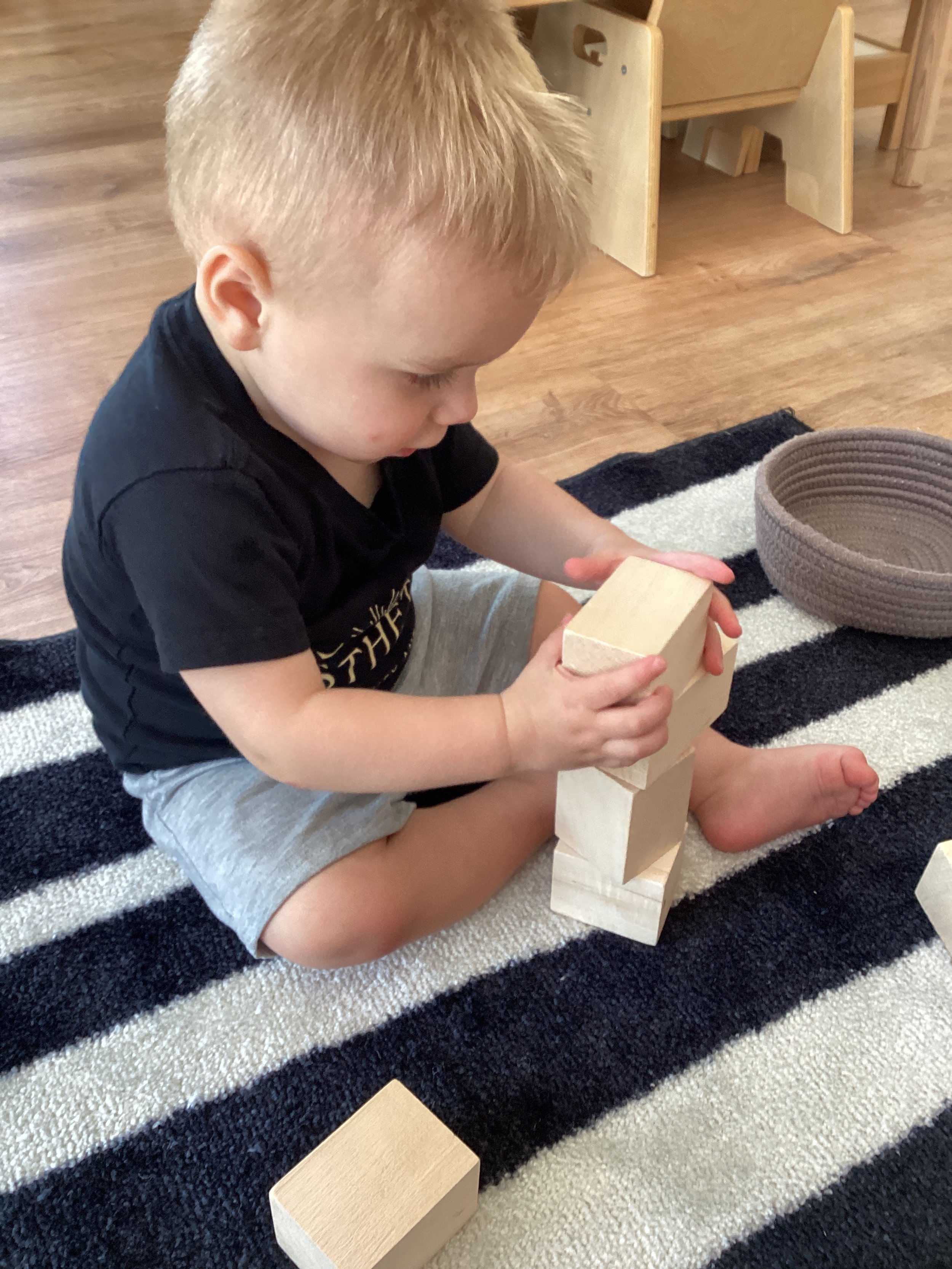
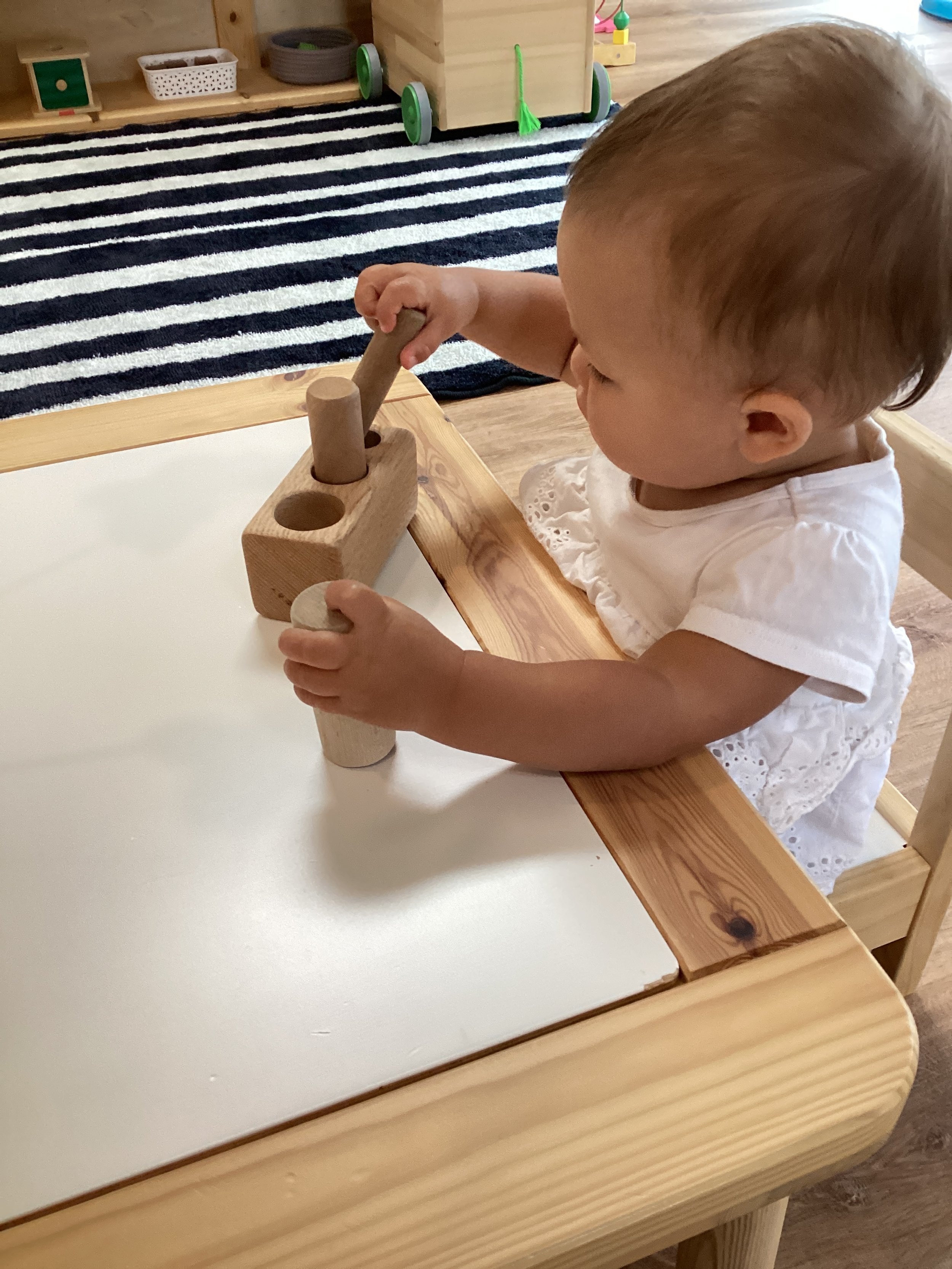
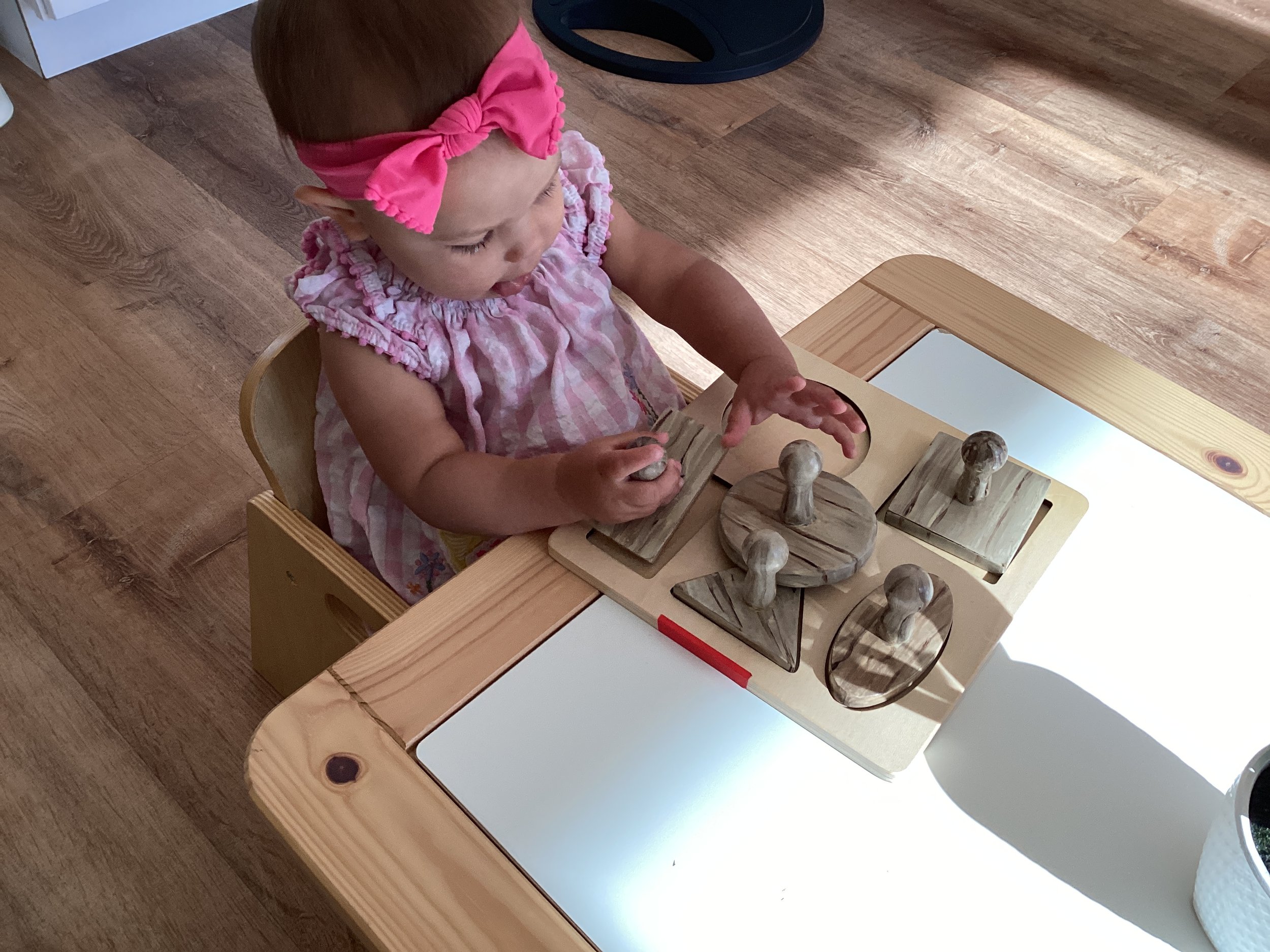
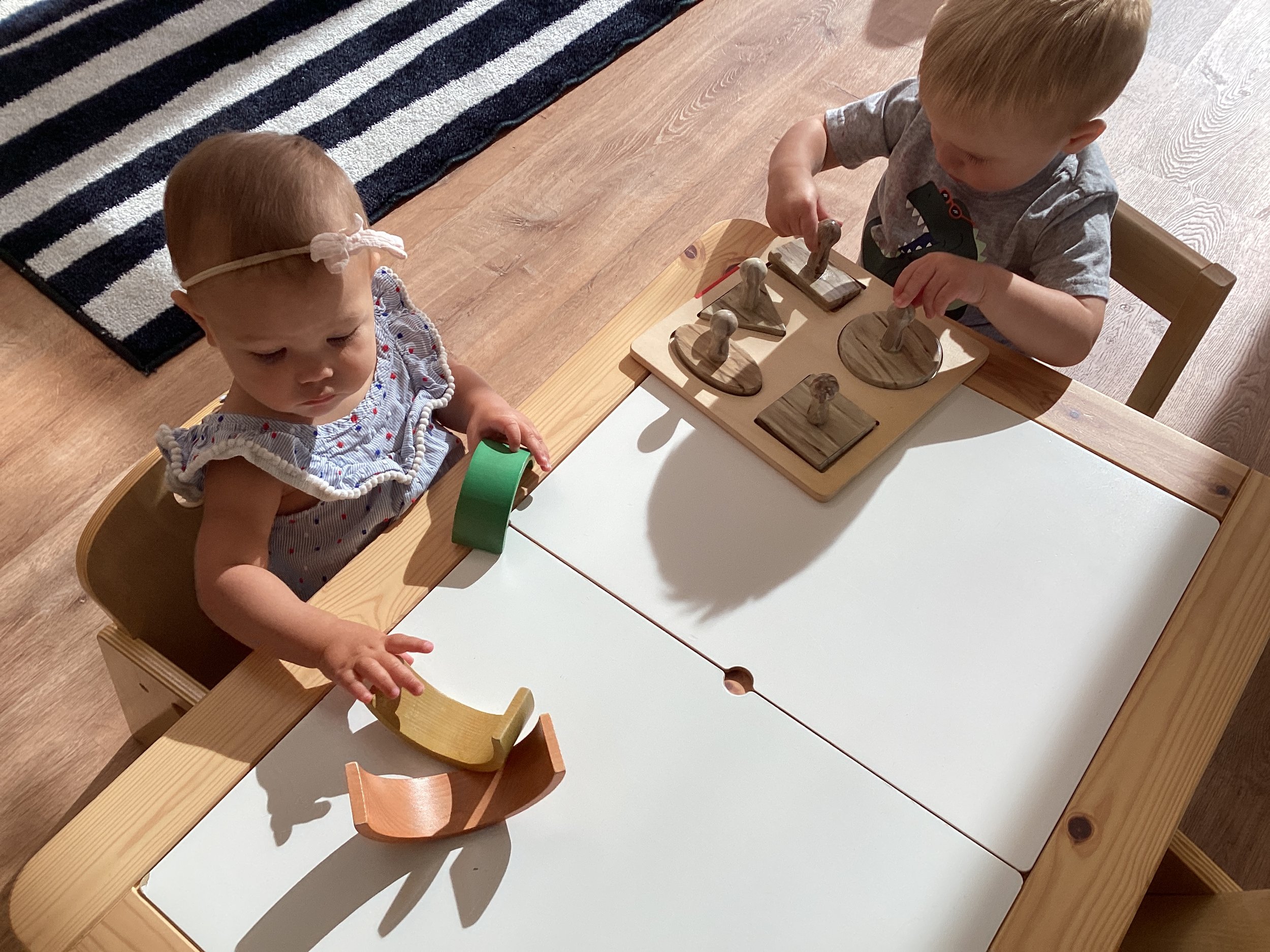
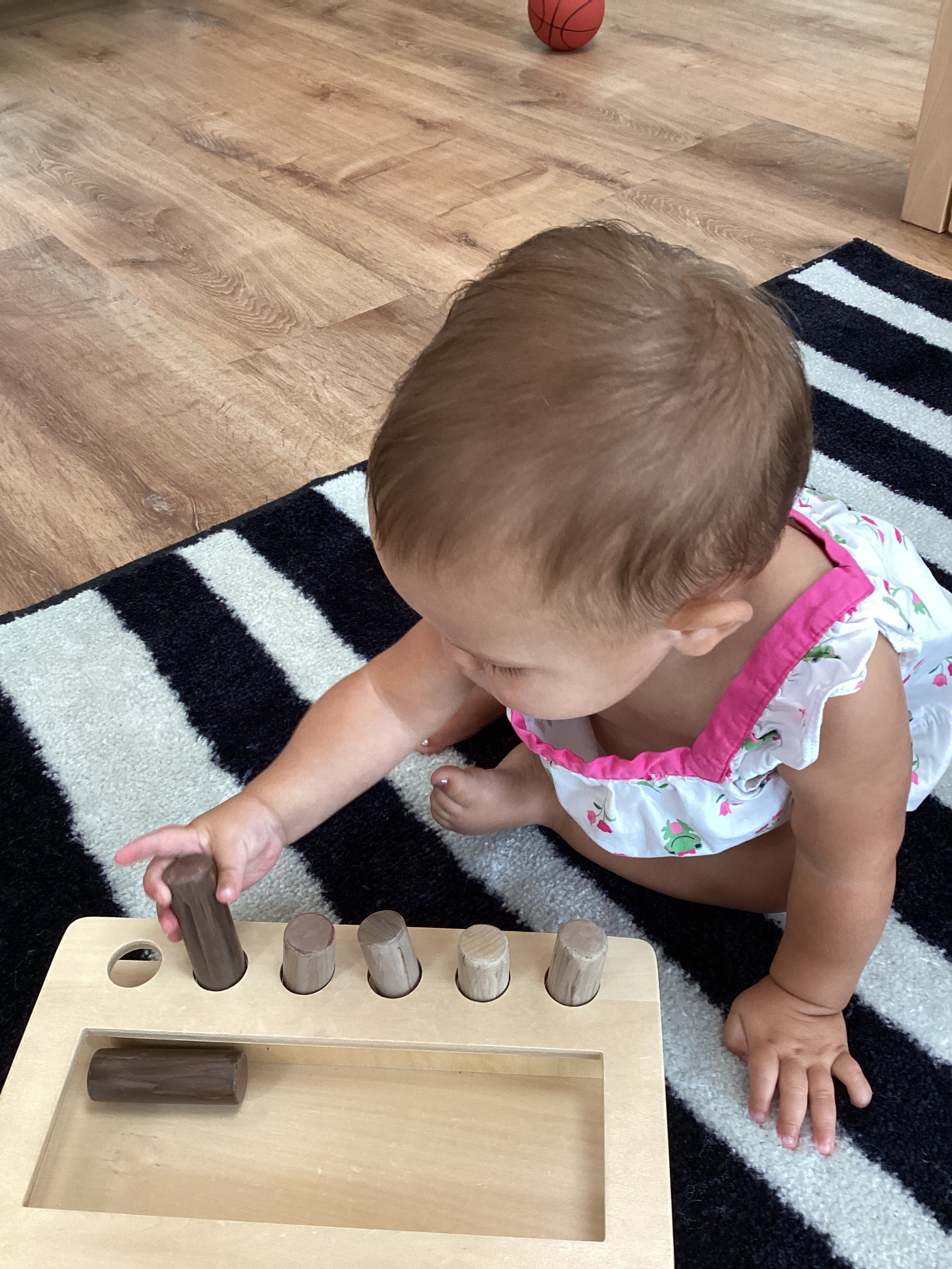
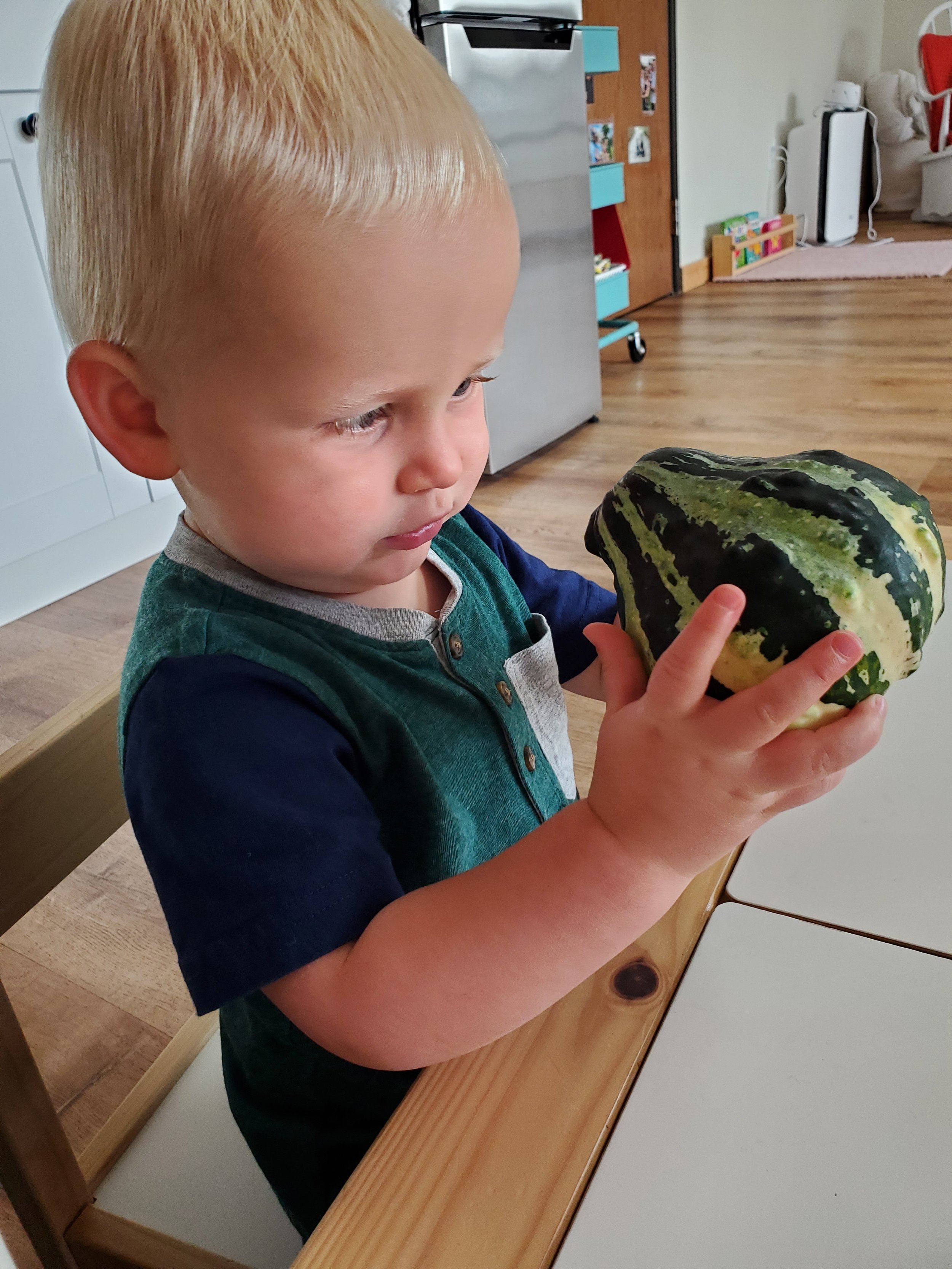
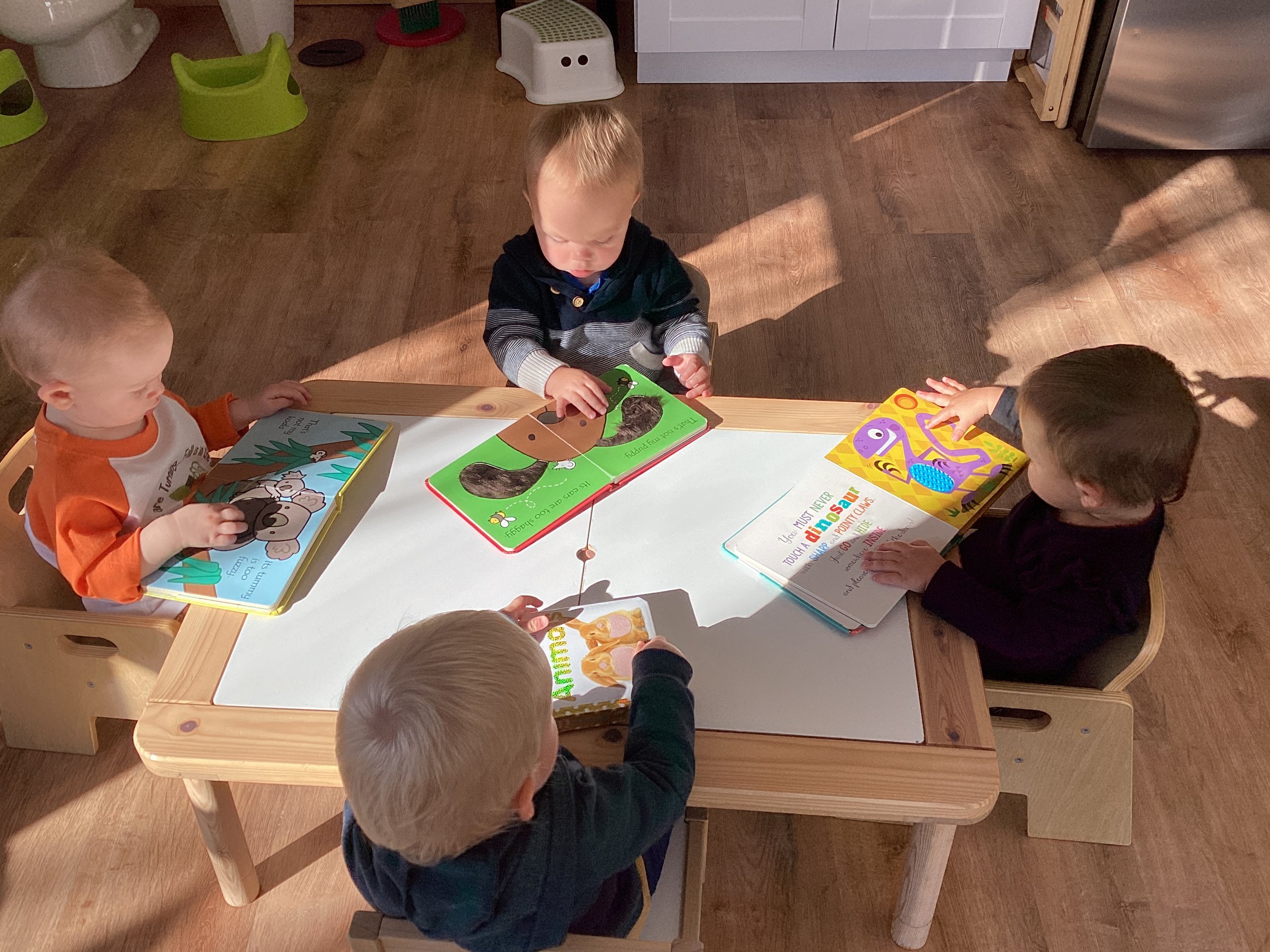
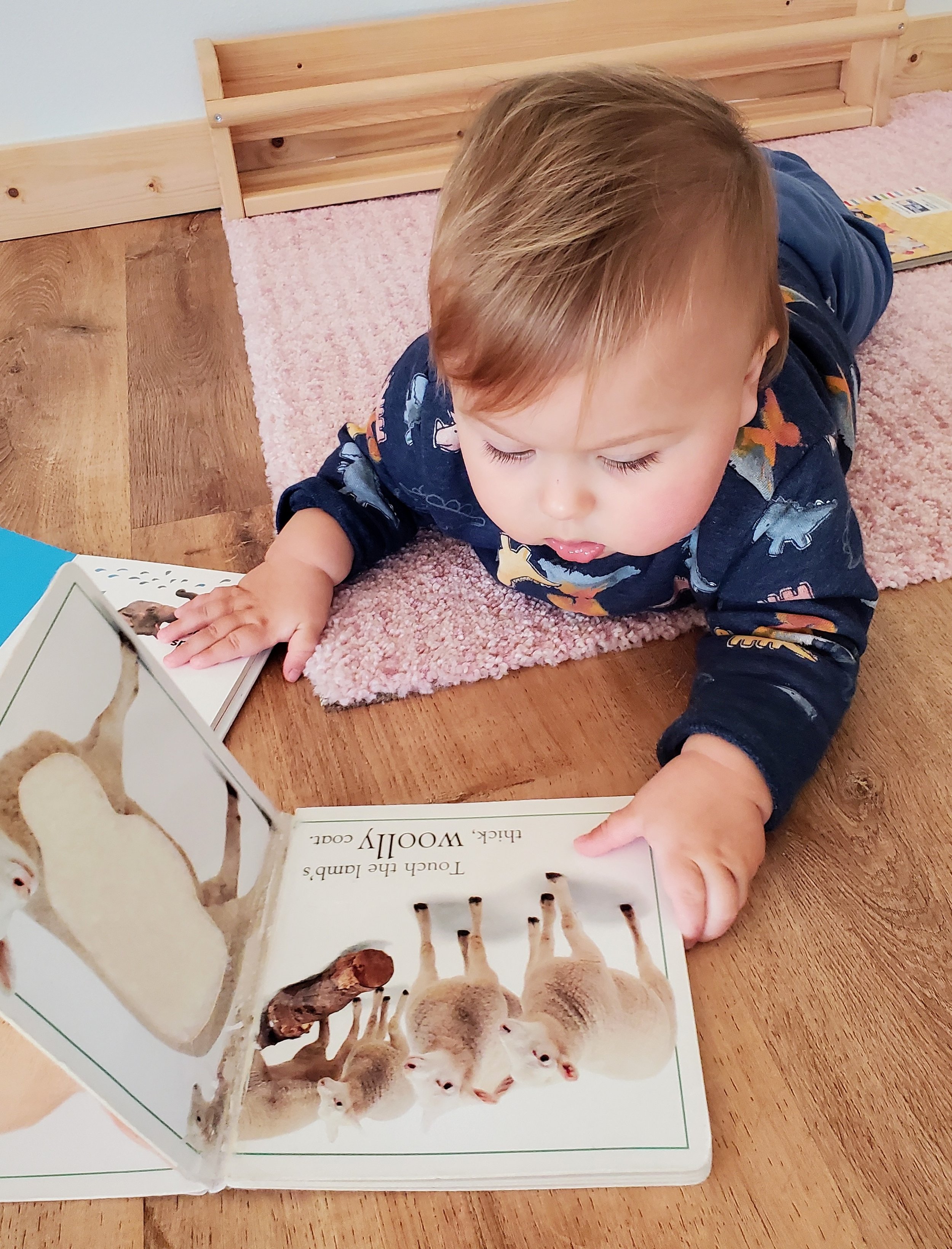
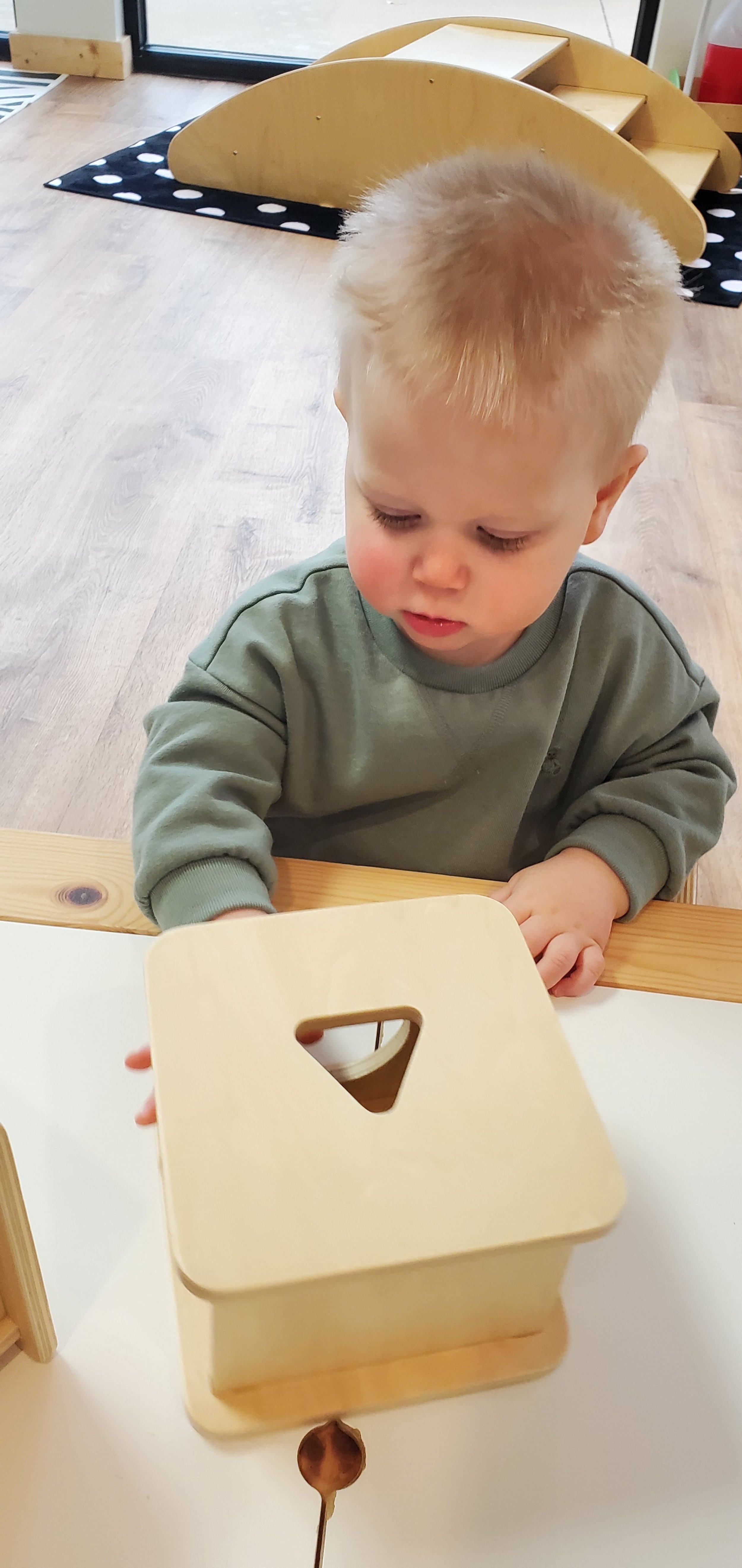
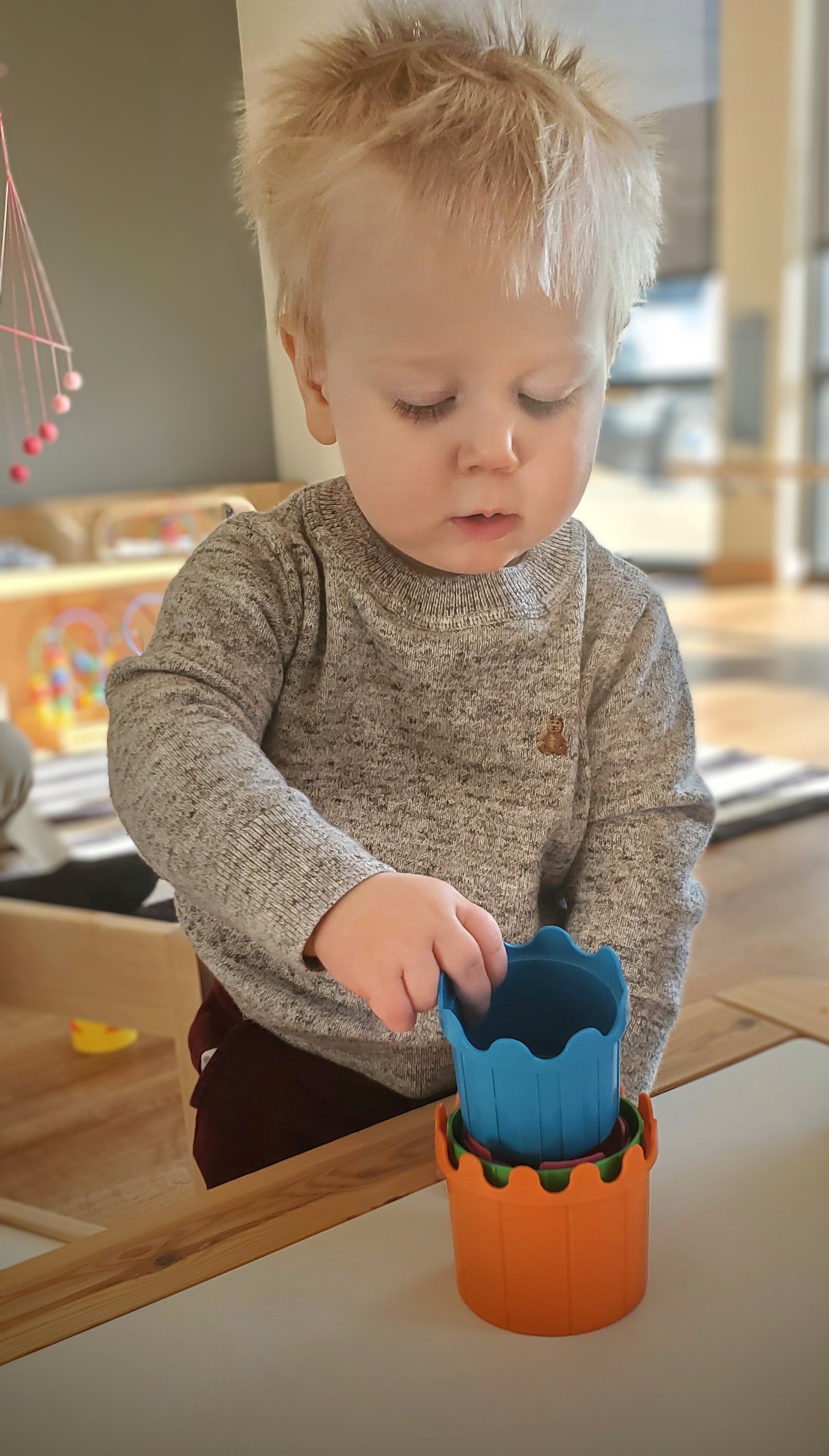
Our Nido program focuses on the same principles as the older Montessori classes - grace, courtesy, and independence. We introduce these concepts at this impressionable time using modeling and consistency – demonstrating respect for the child, the environment, and ourselves – while also providing a rich environment that facilitates development and exploration. The materials in our classroom are real and simple with a focus on textures, shapes, and weights that introduce the young child to the world around them. Real work and real materials are emphasized.
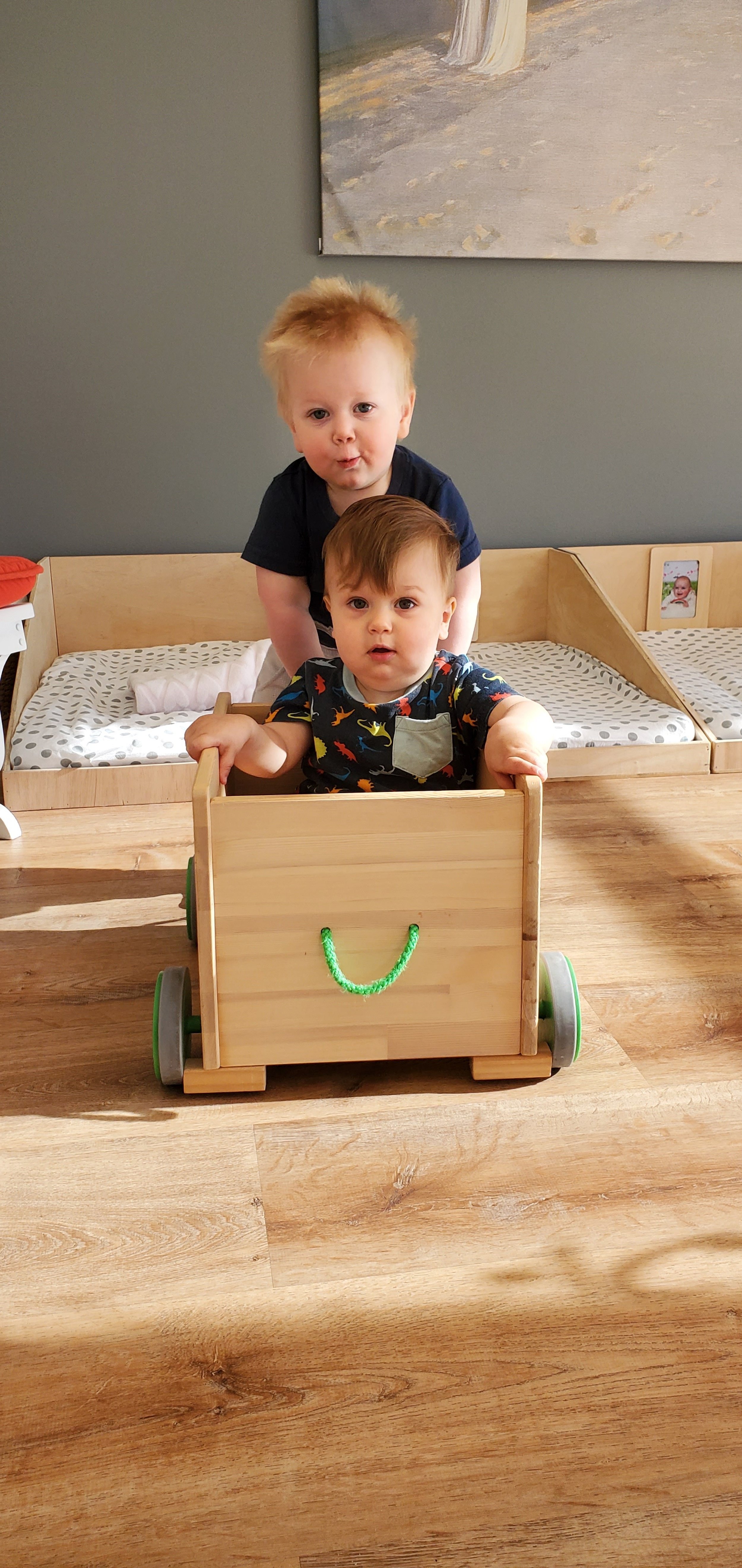
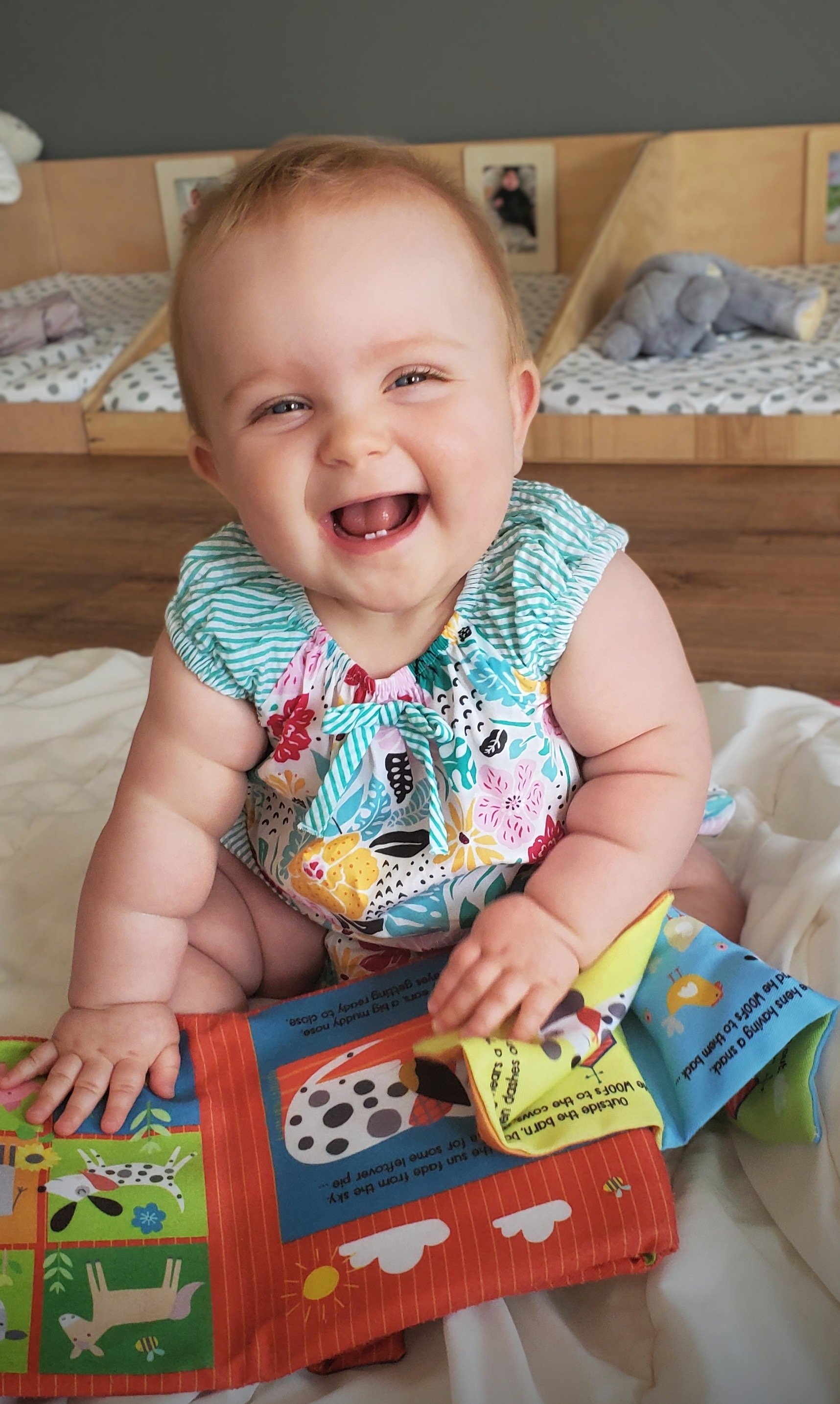
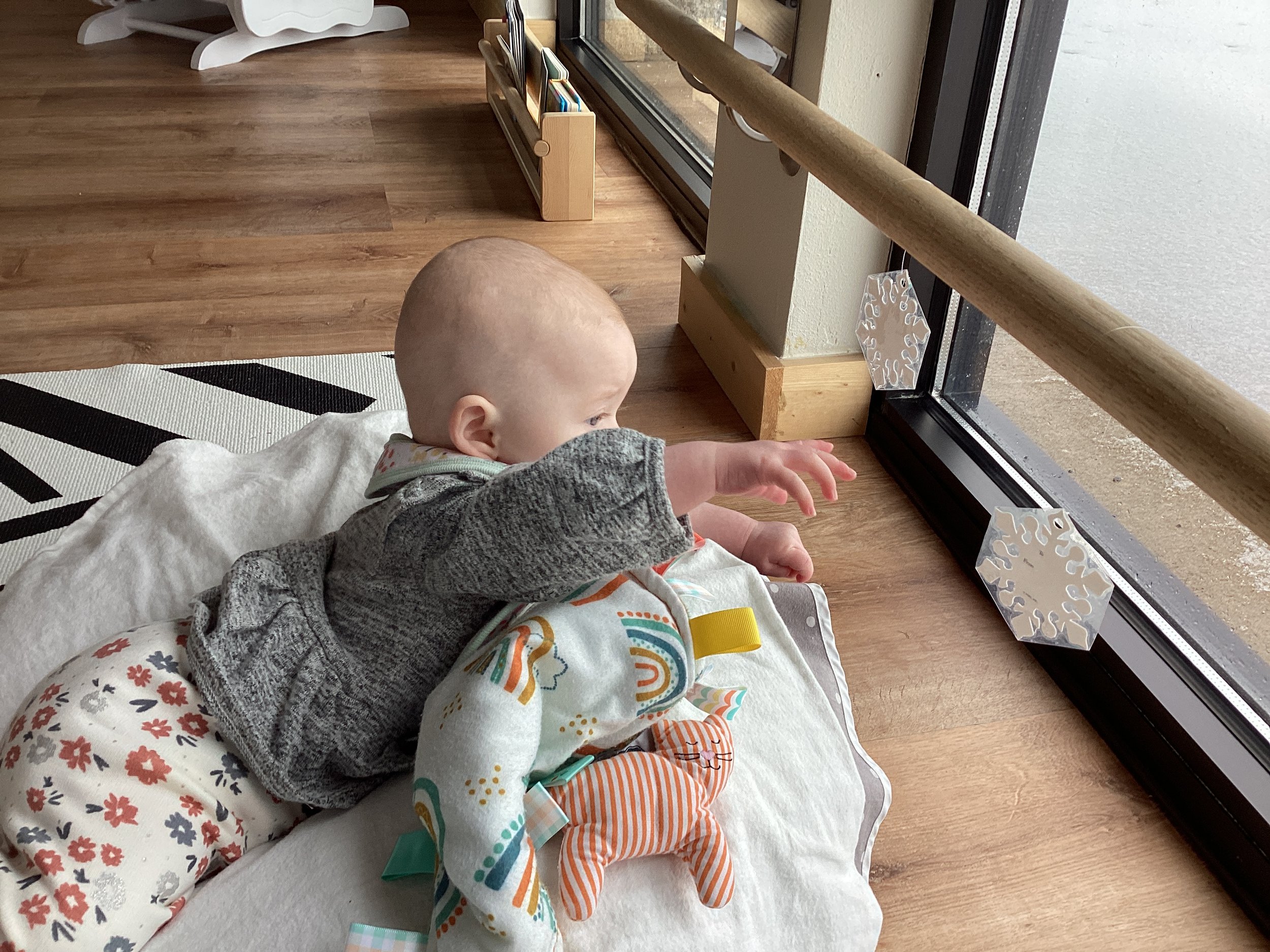
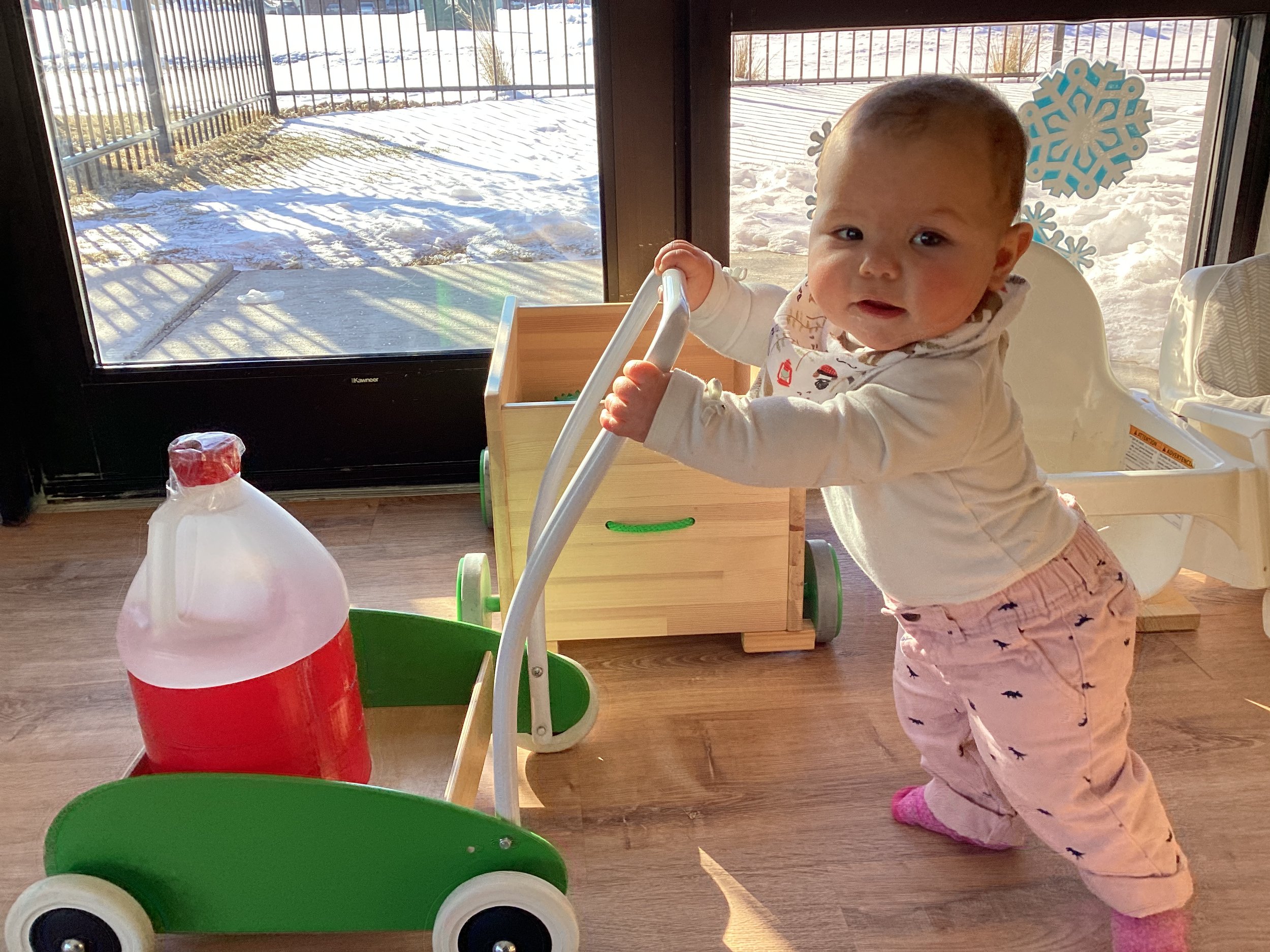
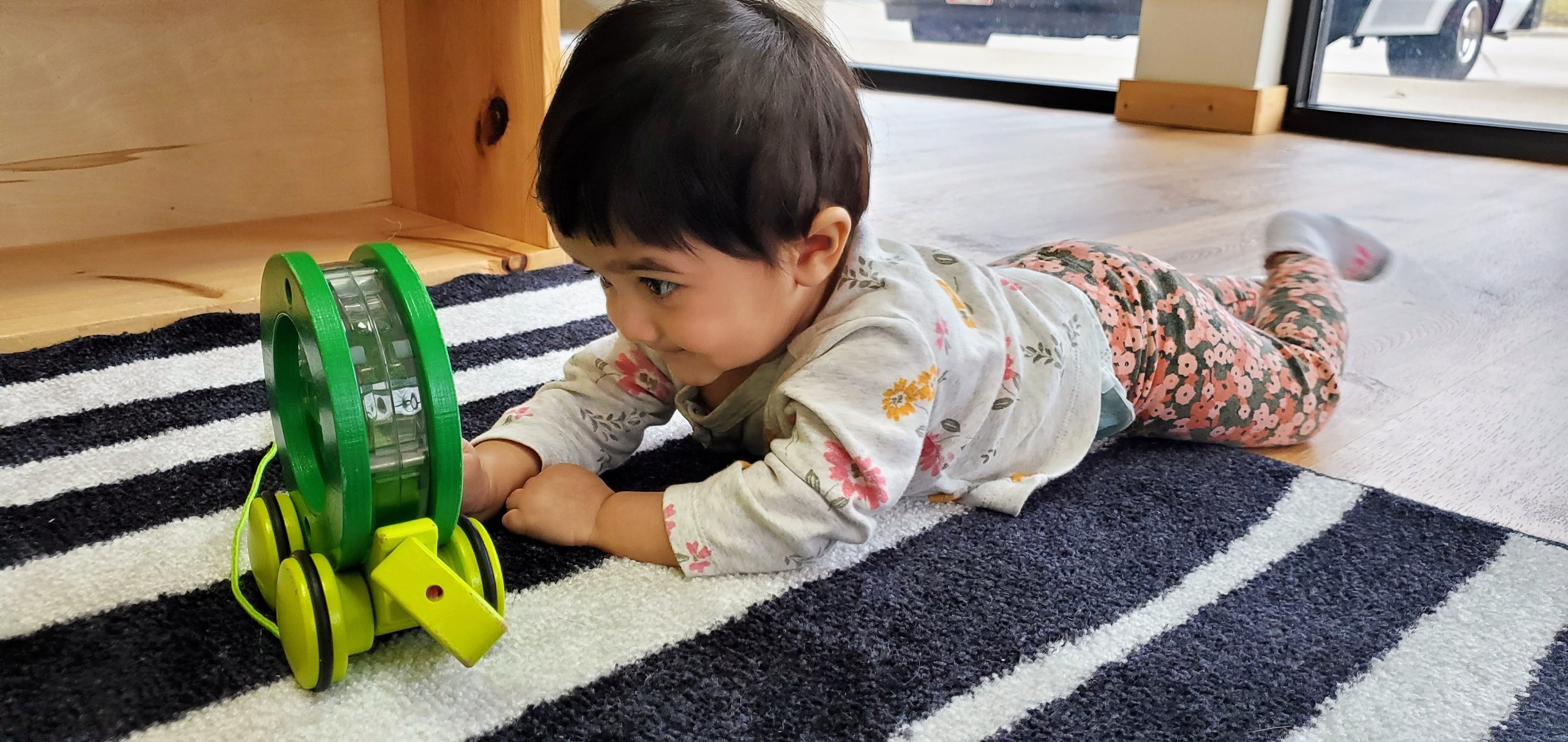
The child’s natural focus is supported by limiting the number of materials available and providing no battery operated items so as to not overstimulate the child. Open work cycles also allow for deep focus and engaging play. All of our children are free to explore and interact appropriately with all prepared materials in the room. We encourage self-exploration but also sit with the children to demonstrate how materials are used when it is warranted. We often name items in the classroom as we work to support language development and introduce the child to the environment.
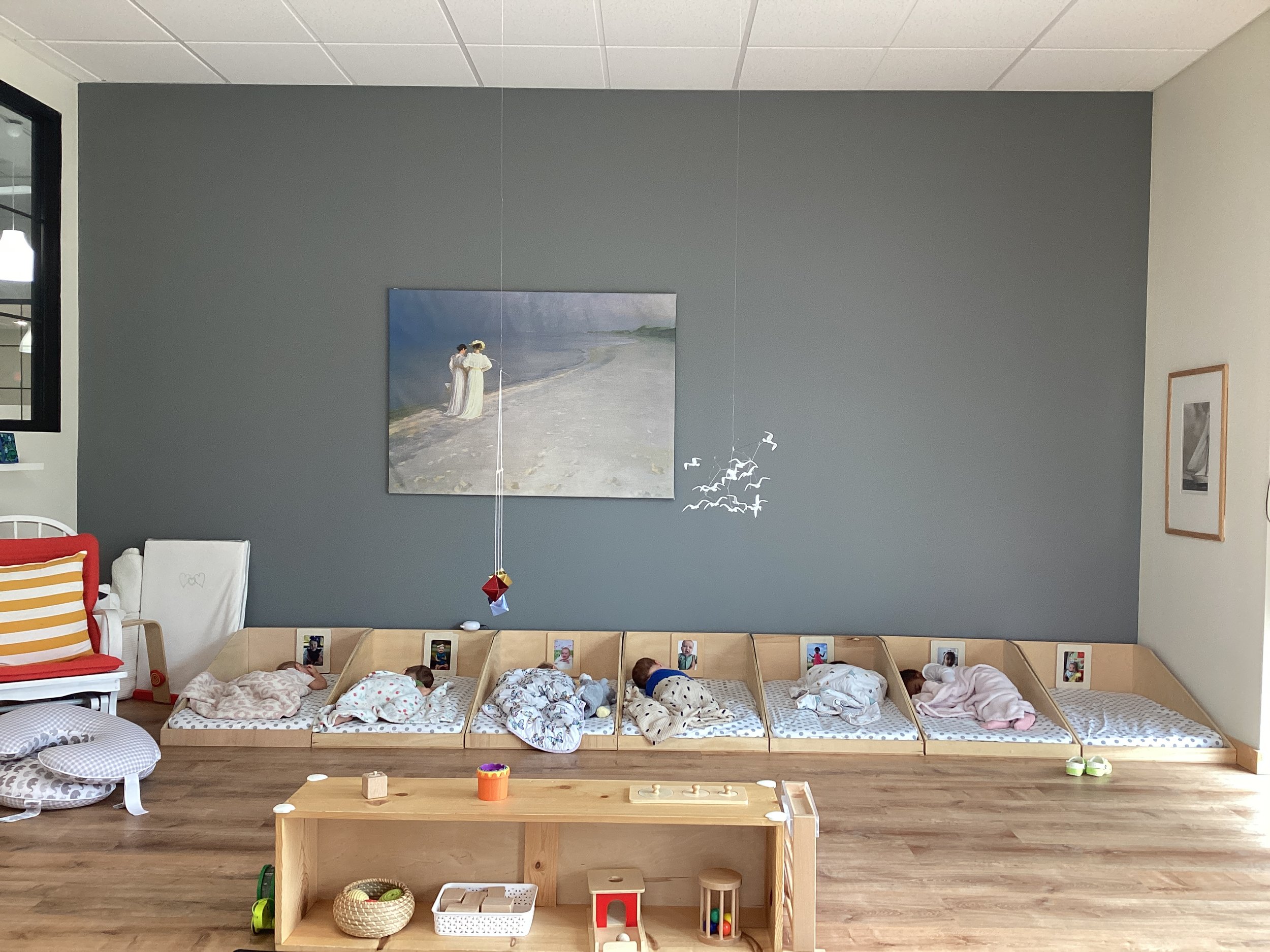
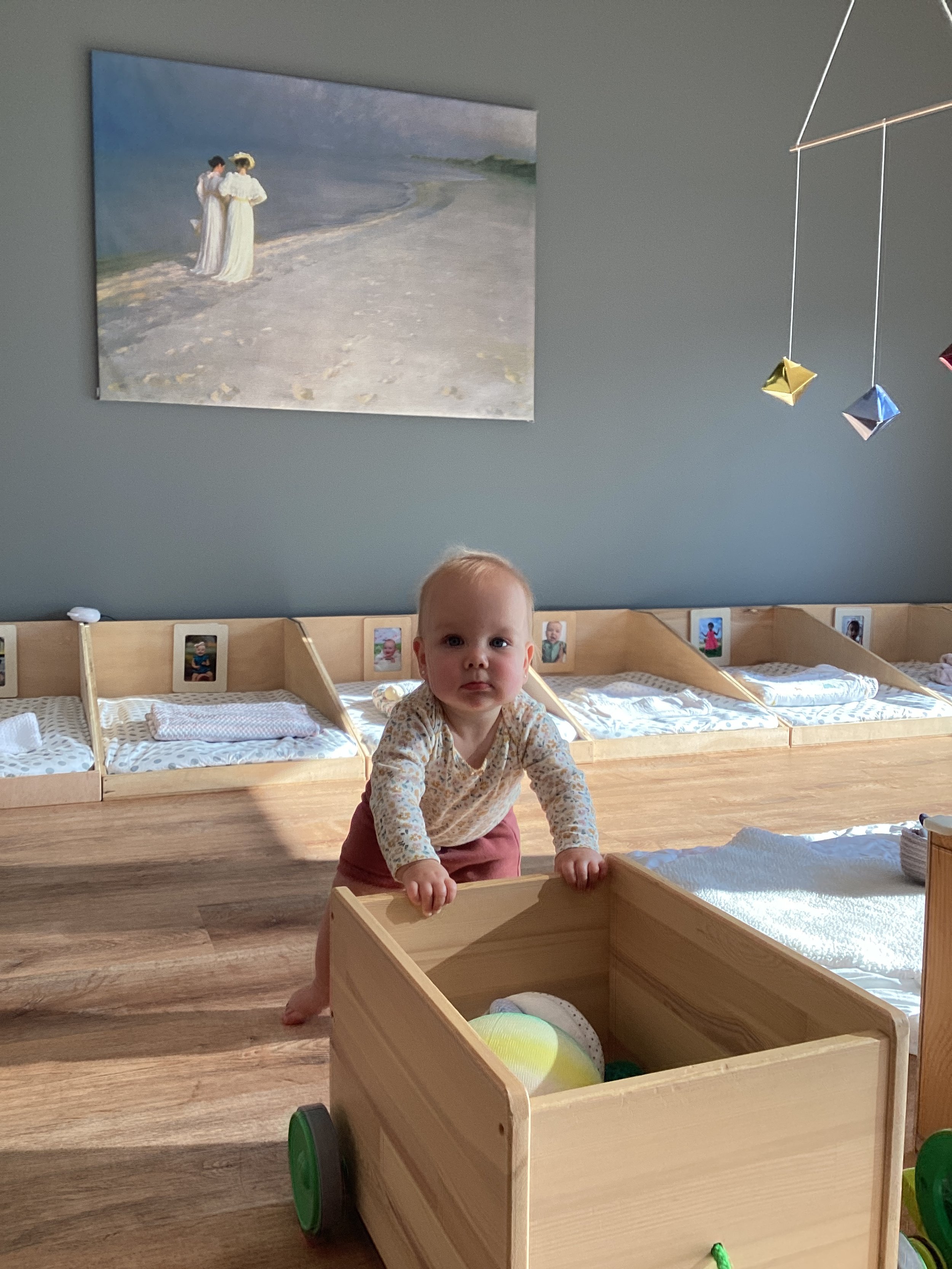
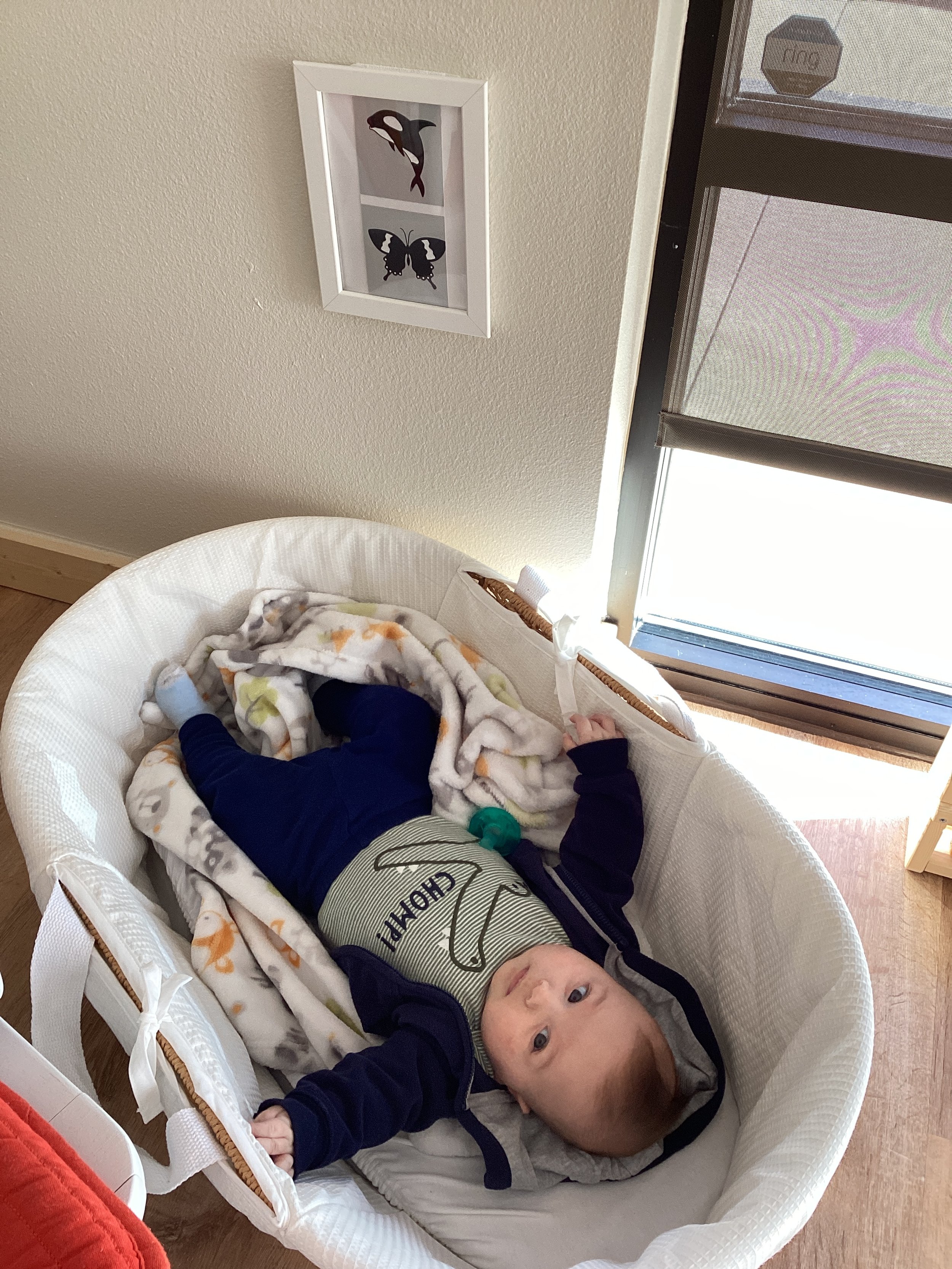
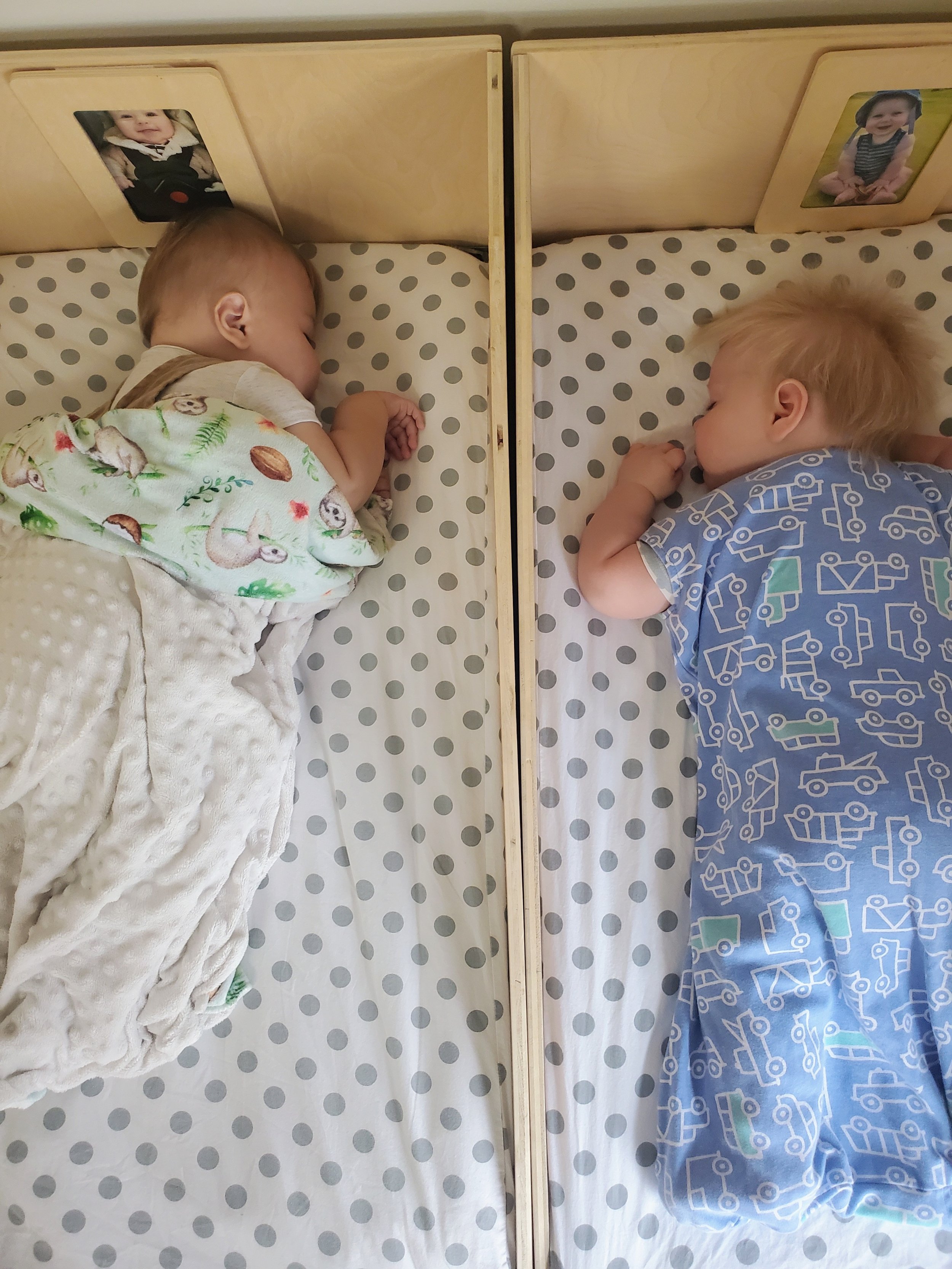
The Nido program seeks to follow and support the child’s routines rather than imposing a ‘one-size fits all’ schedule upon the child. Children eat and nap according to their needs. Teachers are responsive to signals for care (ex. crawling towards their floor bed when tired) and sensitive to the ways in which their rhythms change as the infant rapidly grows. In daily communication with parents, we ensure that there is fluidity between home and school.
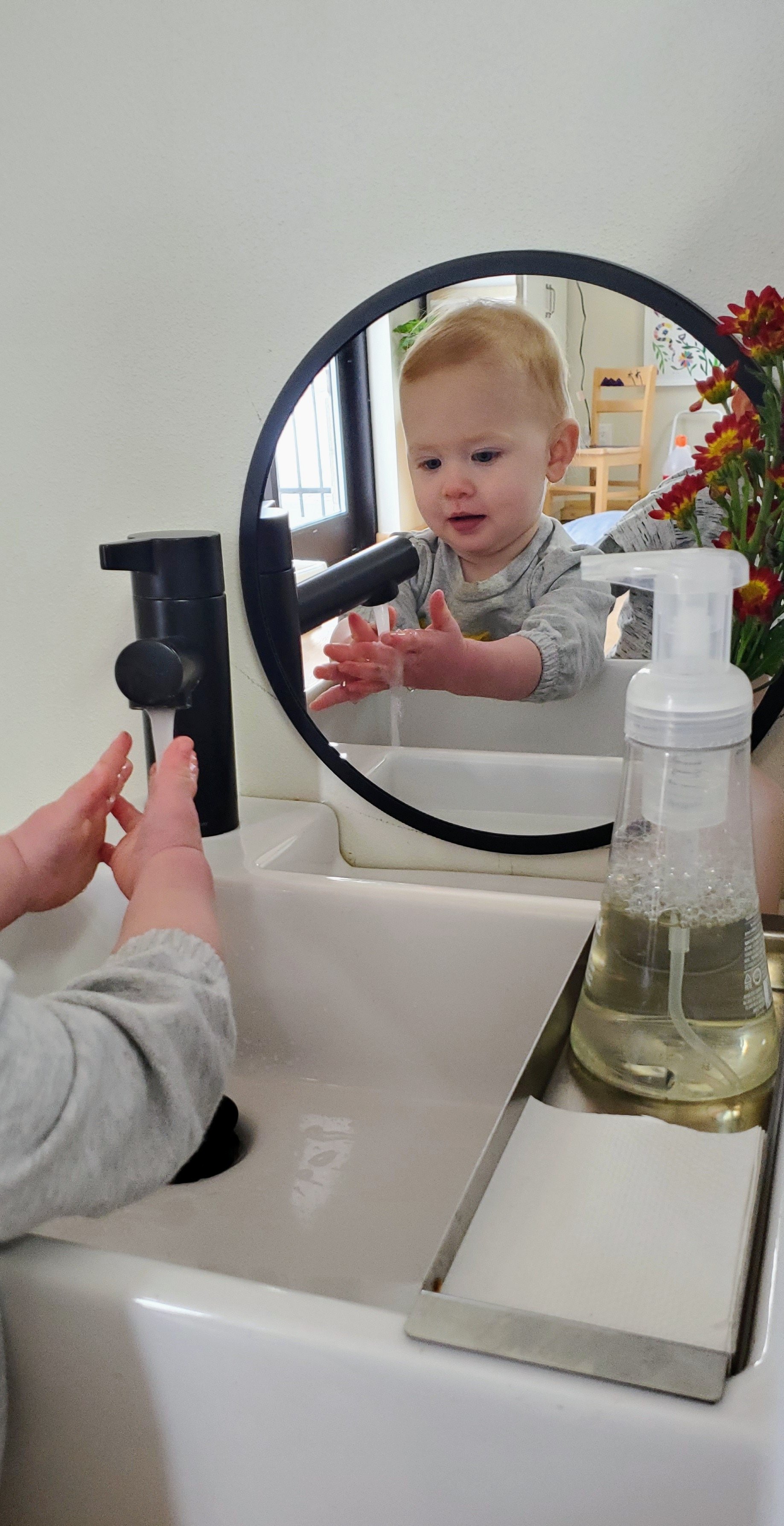
Our interactions with the Nido child are grounded in a framework of personhood and self respect. As much of the ‘teaching’ in this program is facilitated through rhythms of self-care (ex. diapering or feeding), the child is always approached with respect, autonomy, and openness. This includes going slowly and collaborating with a child in even the most basic care aspects of his or her day. Nido teachers verbally explain what they are doing (also supports language development) and engage the child in his/her care. We aim to do things with the child rather than just doing things to the child. Children take an active role in their own care as they are shown how to participate and they learn to signal their needs to the adults in their environments. Throughout the day, language, tone, touch, and eye contact are used to convey respect for the children. Each child is provided with individual, undistracted time–especially during self-care activities.
As an example of what we do in the program:
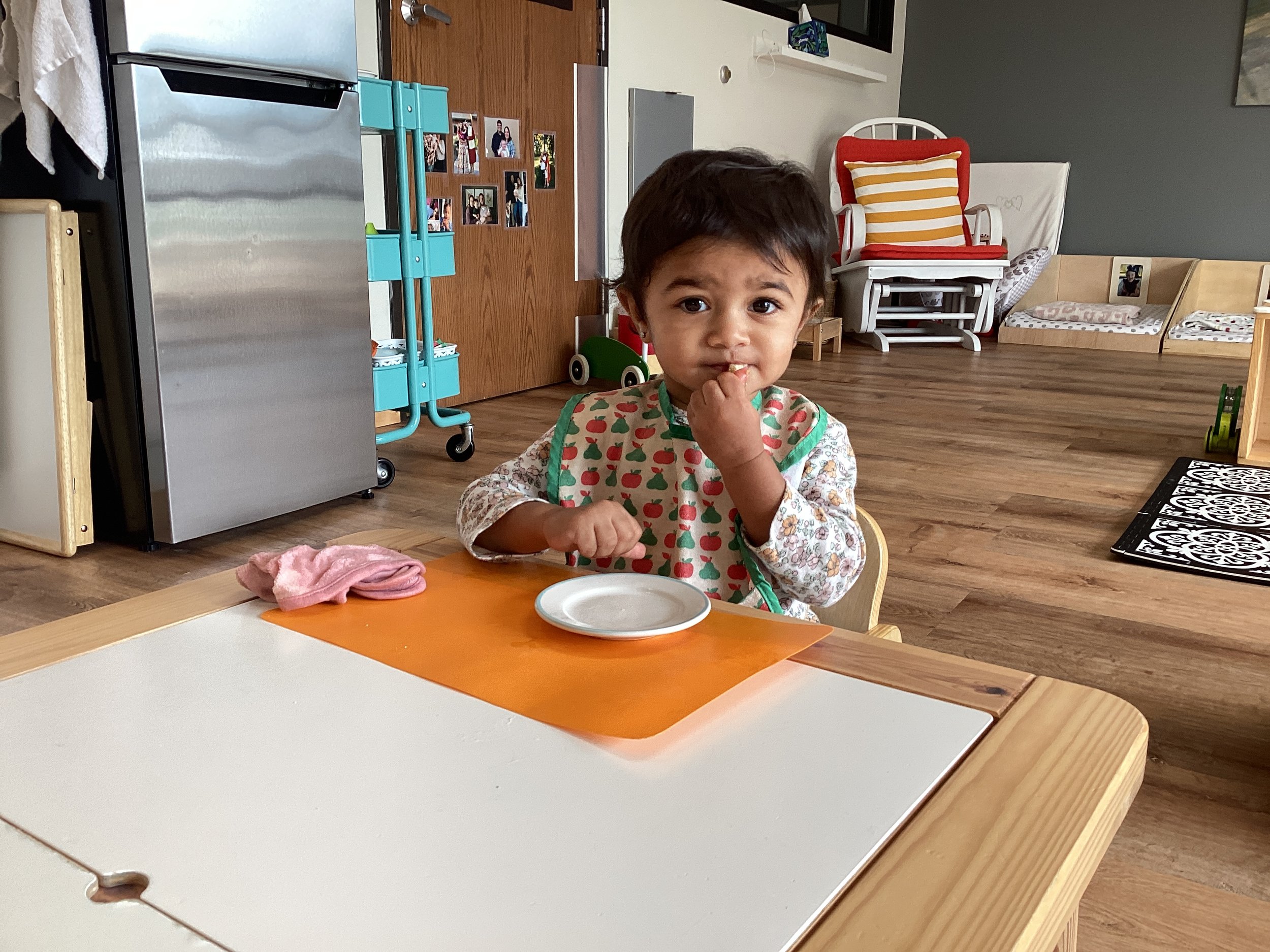
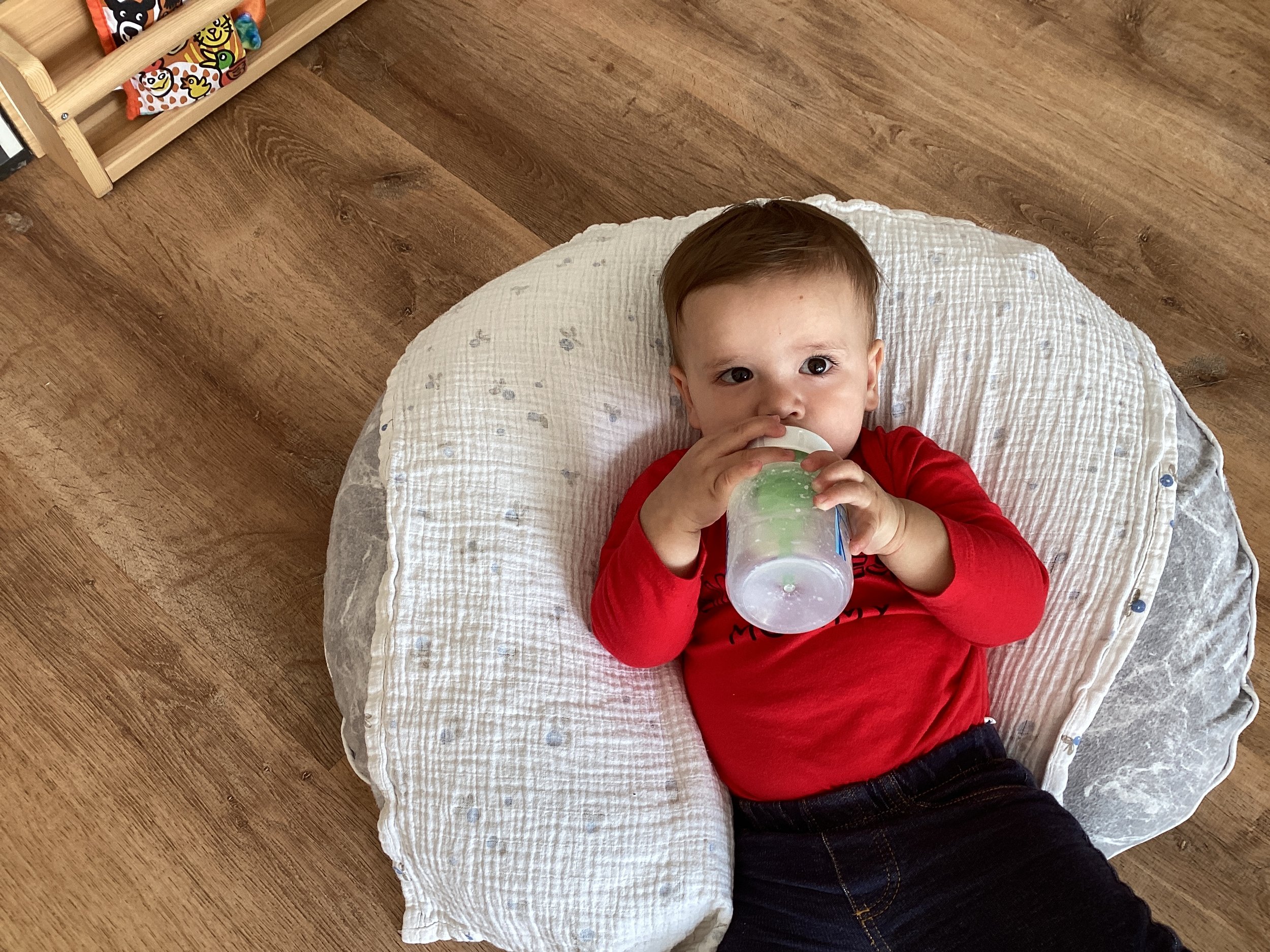
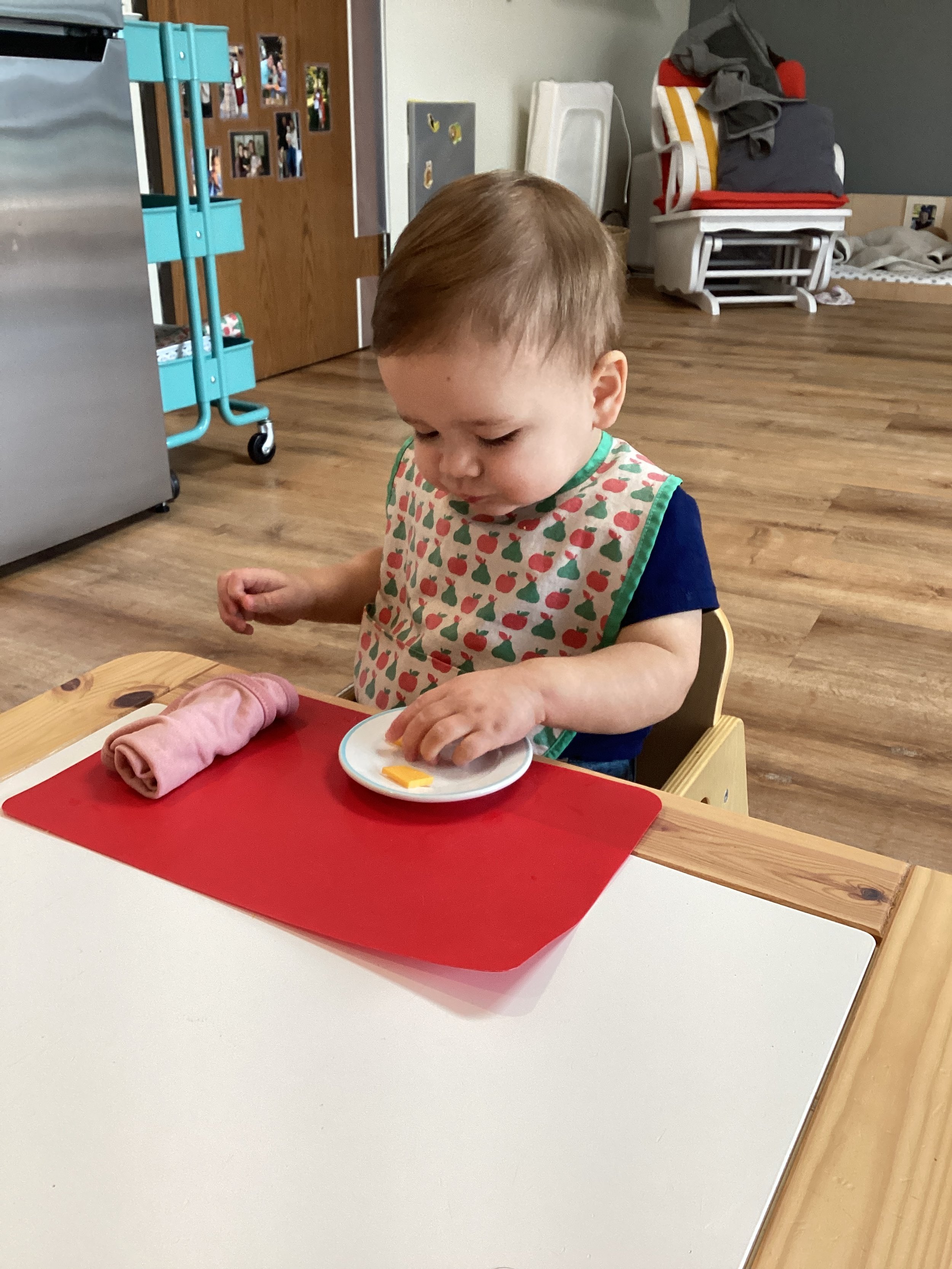
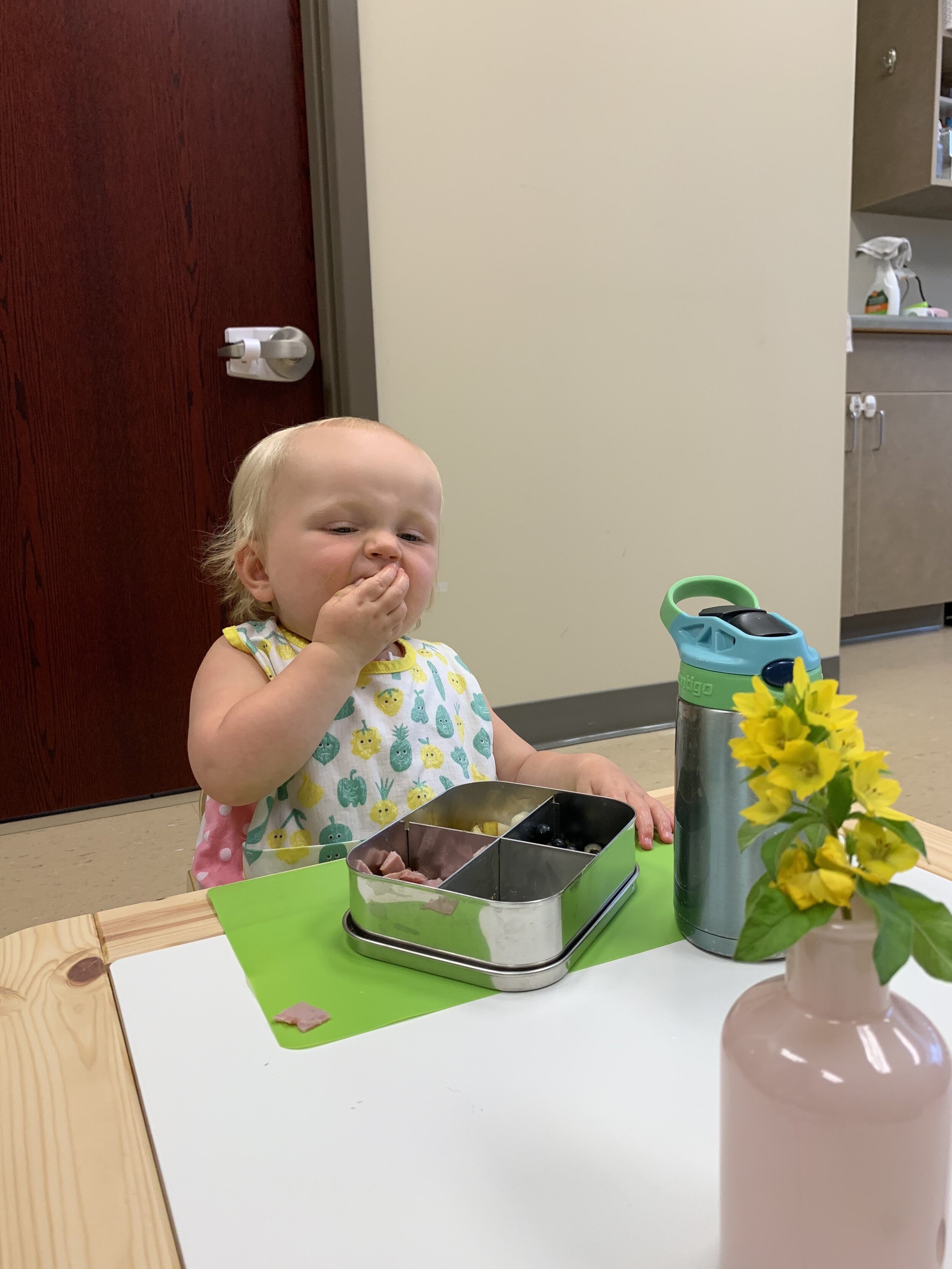
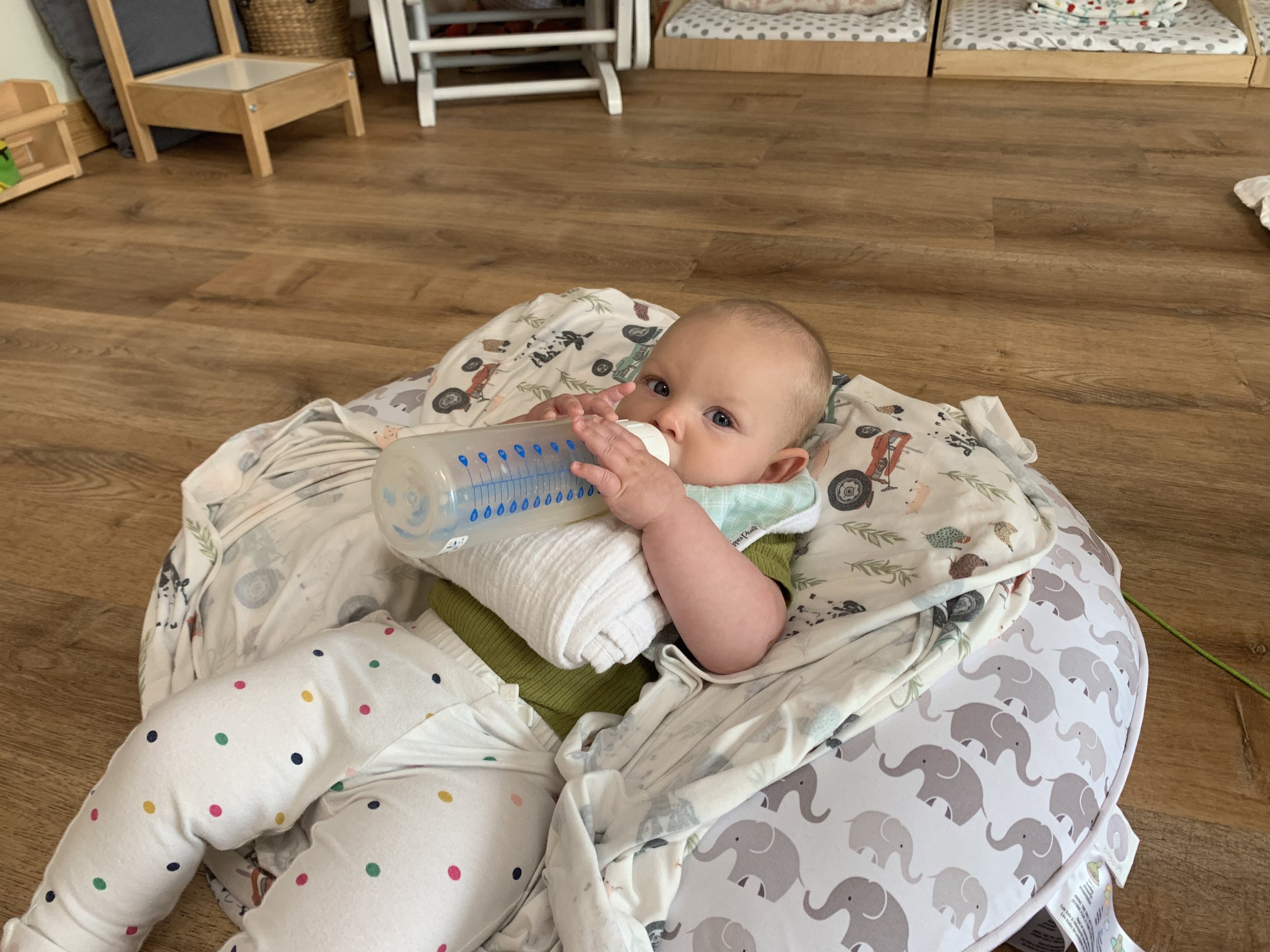
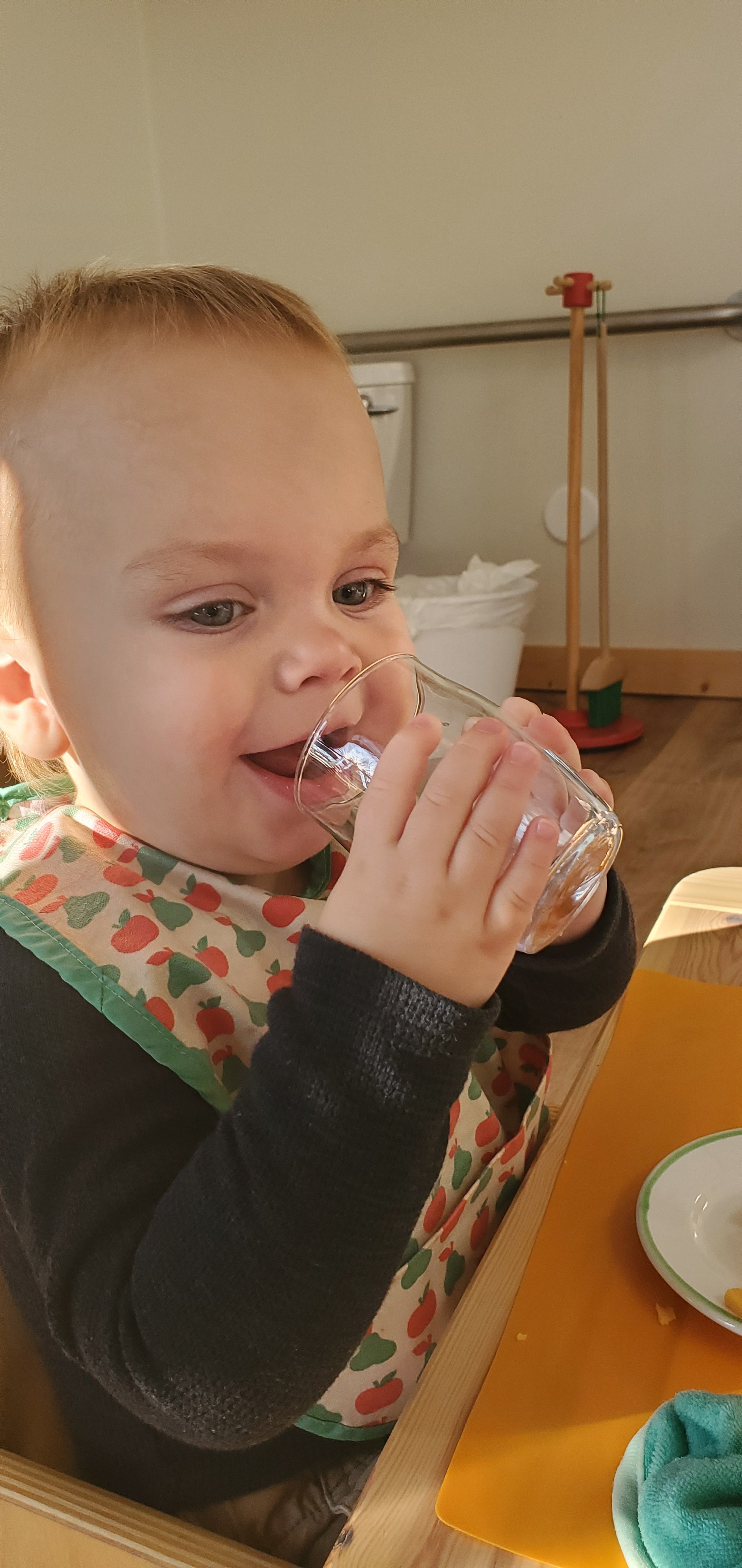
Table manners: The infant learns how to hold his/her bottle to self feed and when they move on to table use, they learn to set up their snack, sit at the table while eating and drinking, keep their hands to themselves and off other children’s plates, and clean up after the meal. We use real tableware to introduce the weight and texture of spoons and dishes.
Toileting: Children participate in diaper changes by helping to gather supplies (clean diapers and wipes) and participating in undressing–unfastening diapers, pushing pants down, etc. Once the child can stand, standing diaper changes are introduced to further support the child’s participation and prepare for toileting. Sitting children are introduced to using the potty and find success urinating and having bowel movements in the potty from very young ages. This supports the child’s sensitive period for toileting.
The child is prepared for advancement to the Bambini class.









“The greatness of the human personality begins at the hour of birth. From this almost mystic affirmation there comes, what may seem a strange conclusion, that education must start at birth.”