
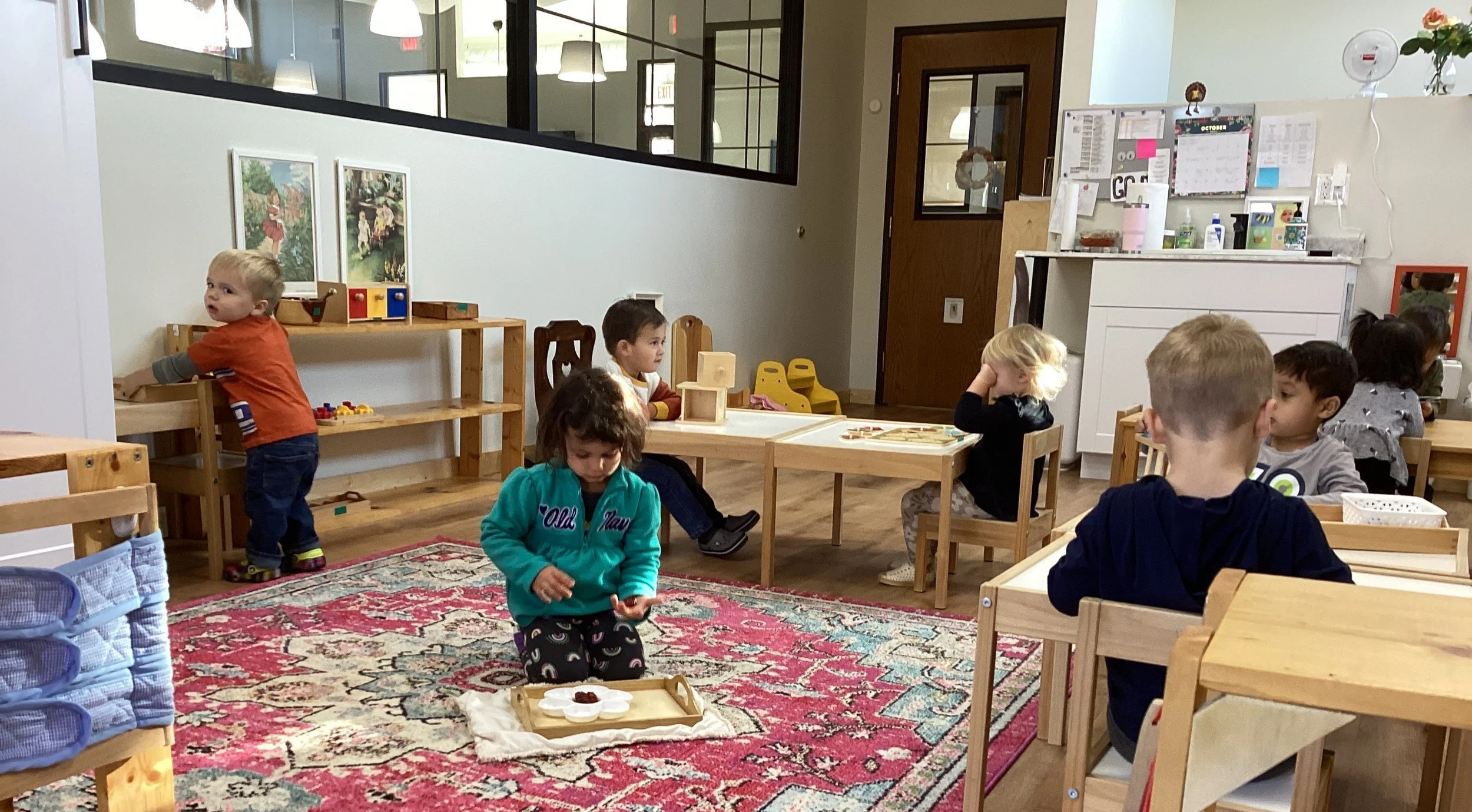
Bambini Program Curriculum
“The most important period of life is not the age of university studies, but the first one, the period from birth to the age of six. For that is the time when man’s intelligence itself, his greatest implement, is being formed. But not only his intelligence; the full totality of his psychic powers.”
Enrollment Requirements
To enroll in the Bambini Program your child must be weaned and at least 1.5 years of age by the beginning of the school year.
MSM has both morning (8:30 AM - 11:30 AM) and full-day (8:30 AM - 3:15 PM) with the option of attending five or three days a week. Additionally, there is extra before school and after school care available.
Areas of Education
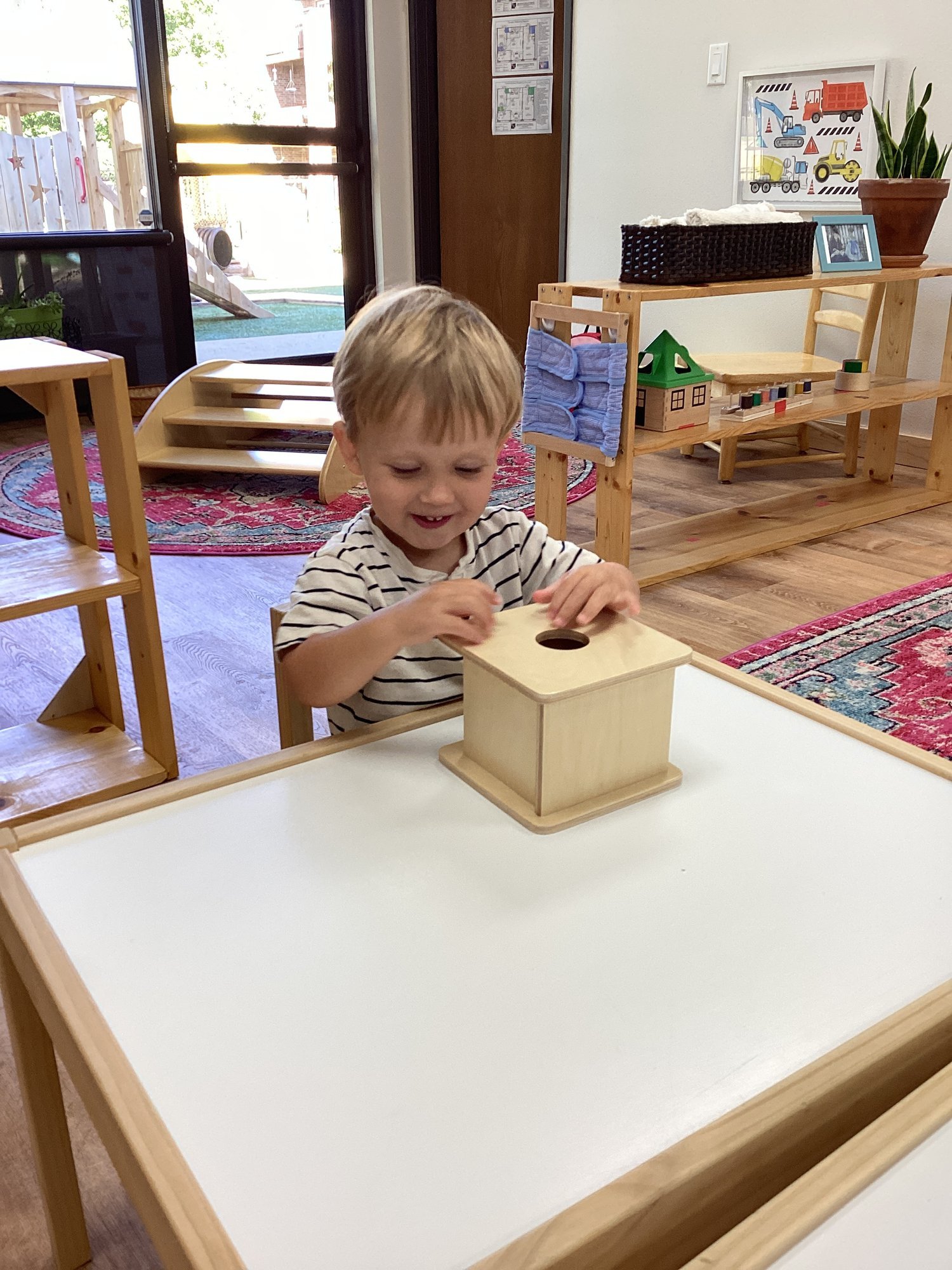
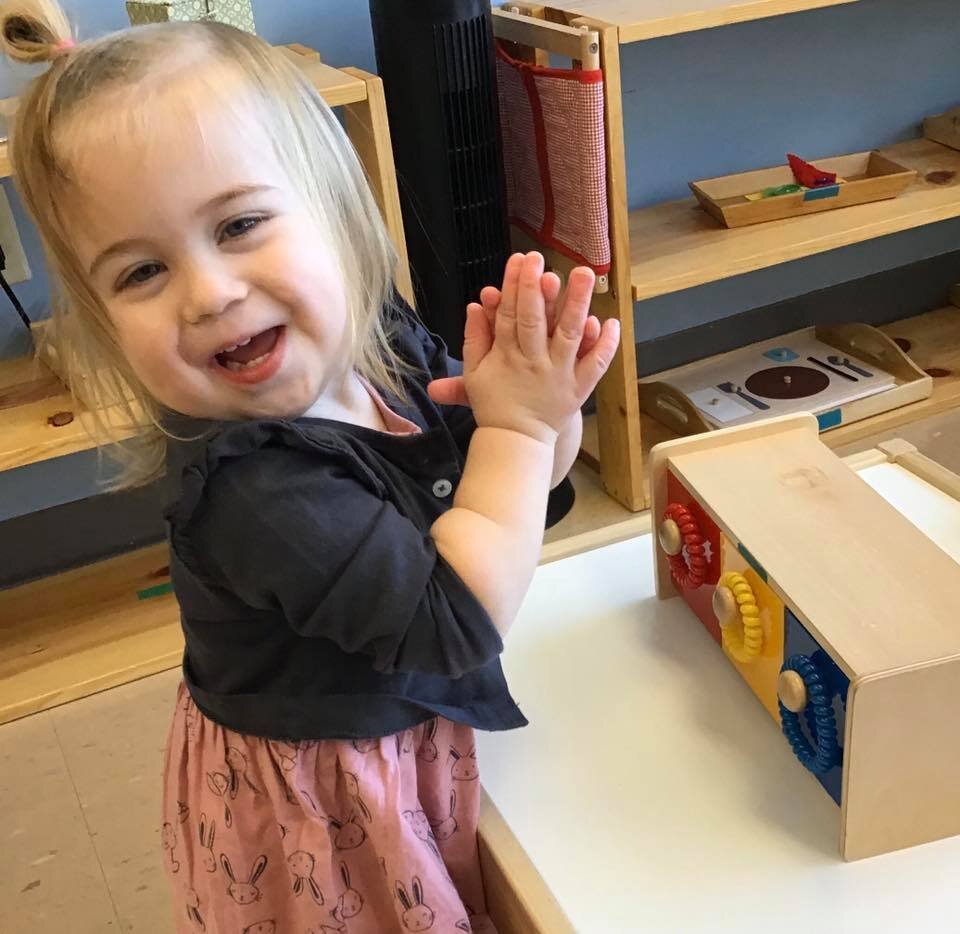
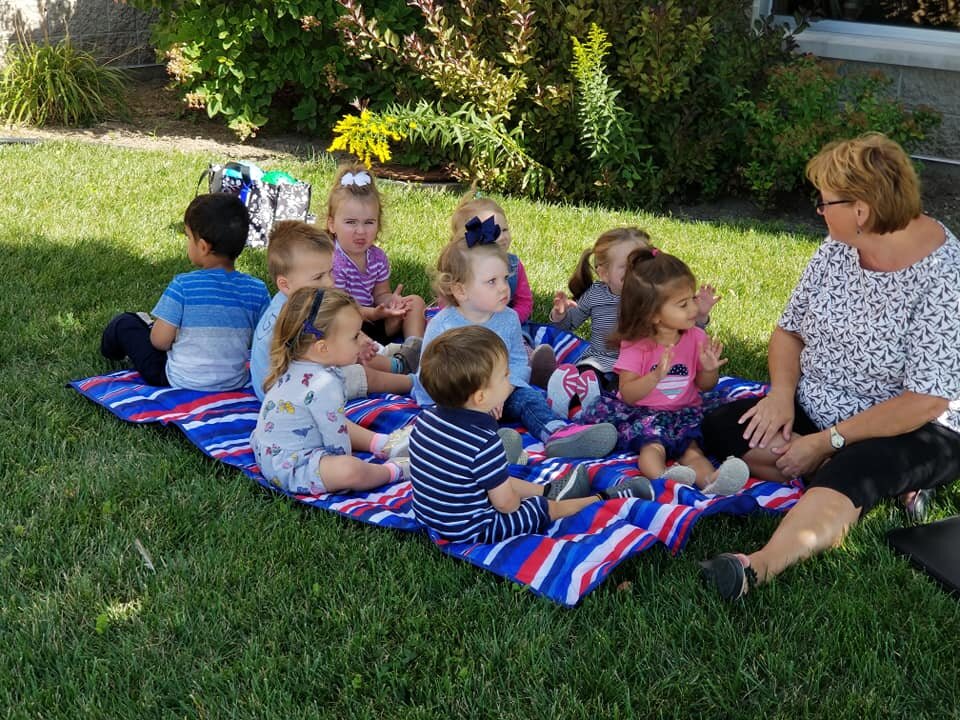
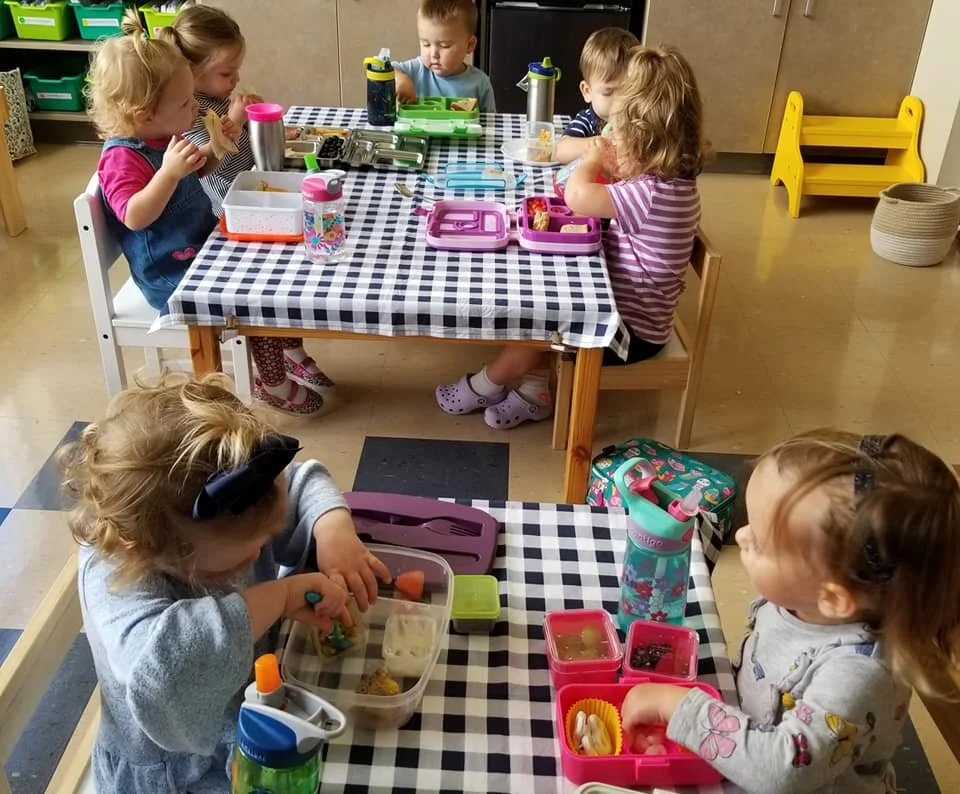
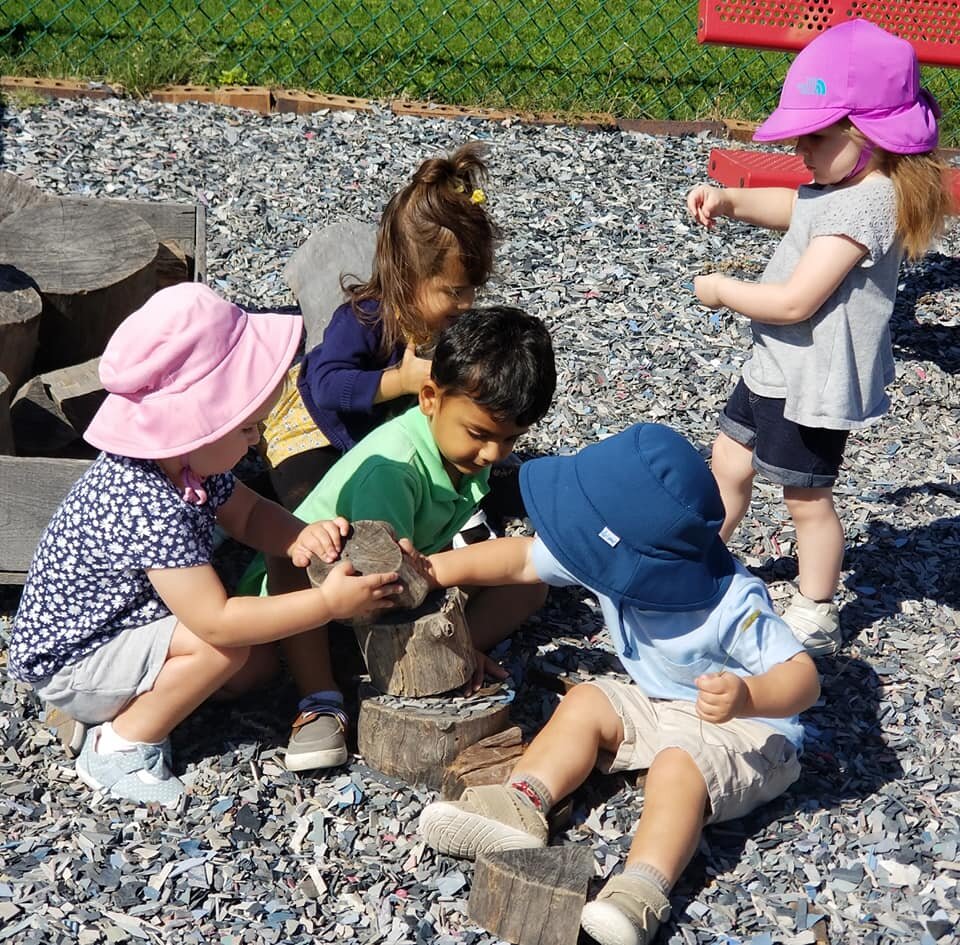
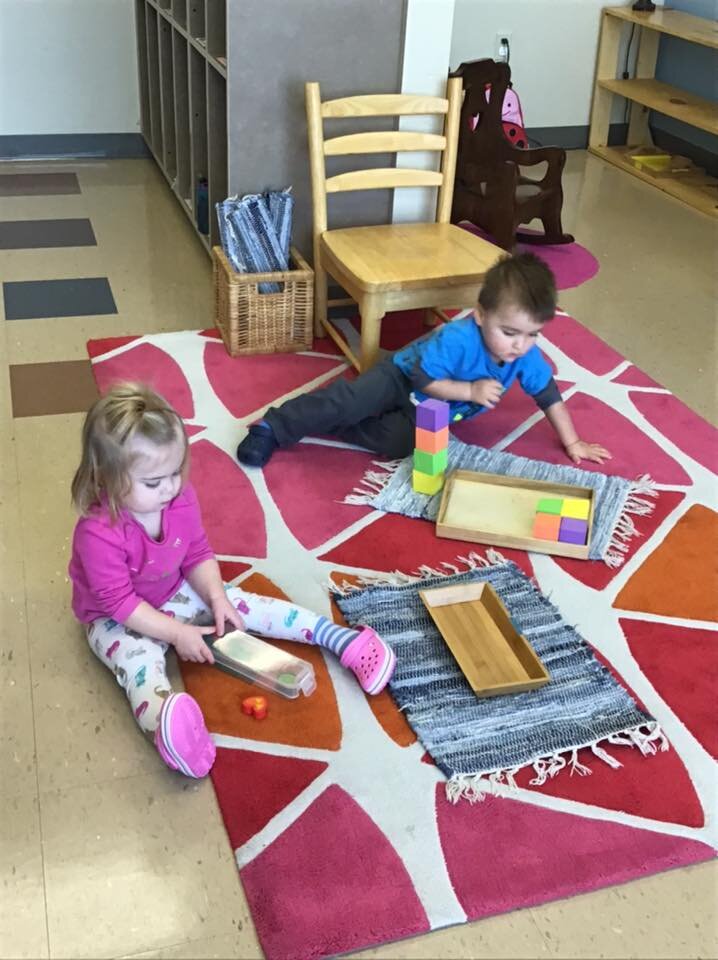
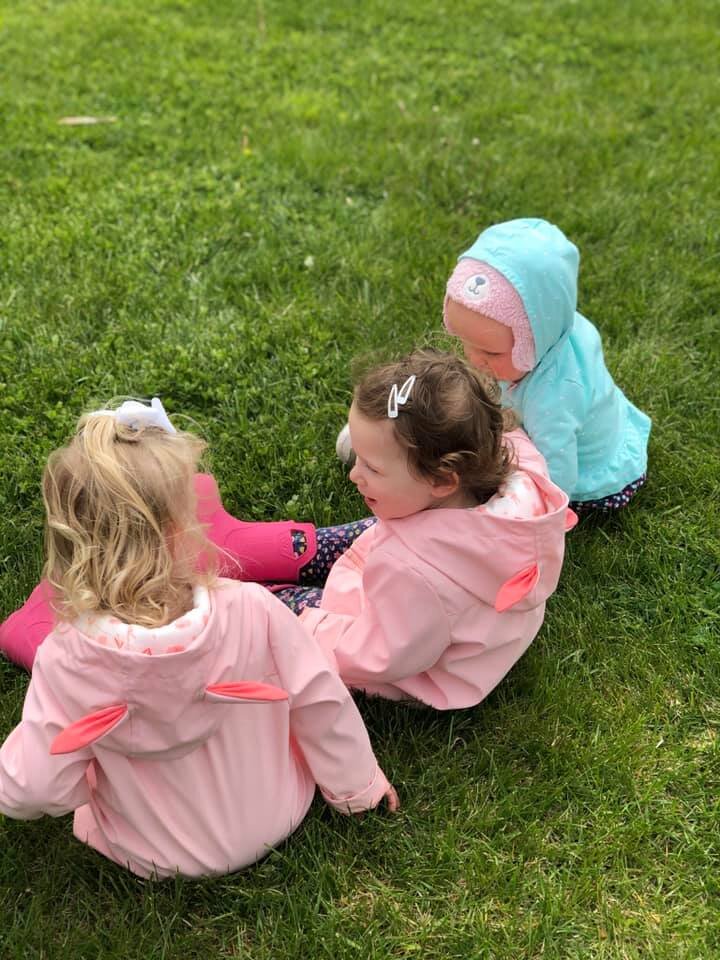
The Montessori Bambini environment is carefully prepared to aid the toddler in achieving independence. Social interaction with other children, development of language skills, cooking, music, and movement activities are stressed.
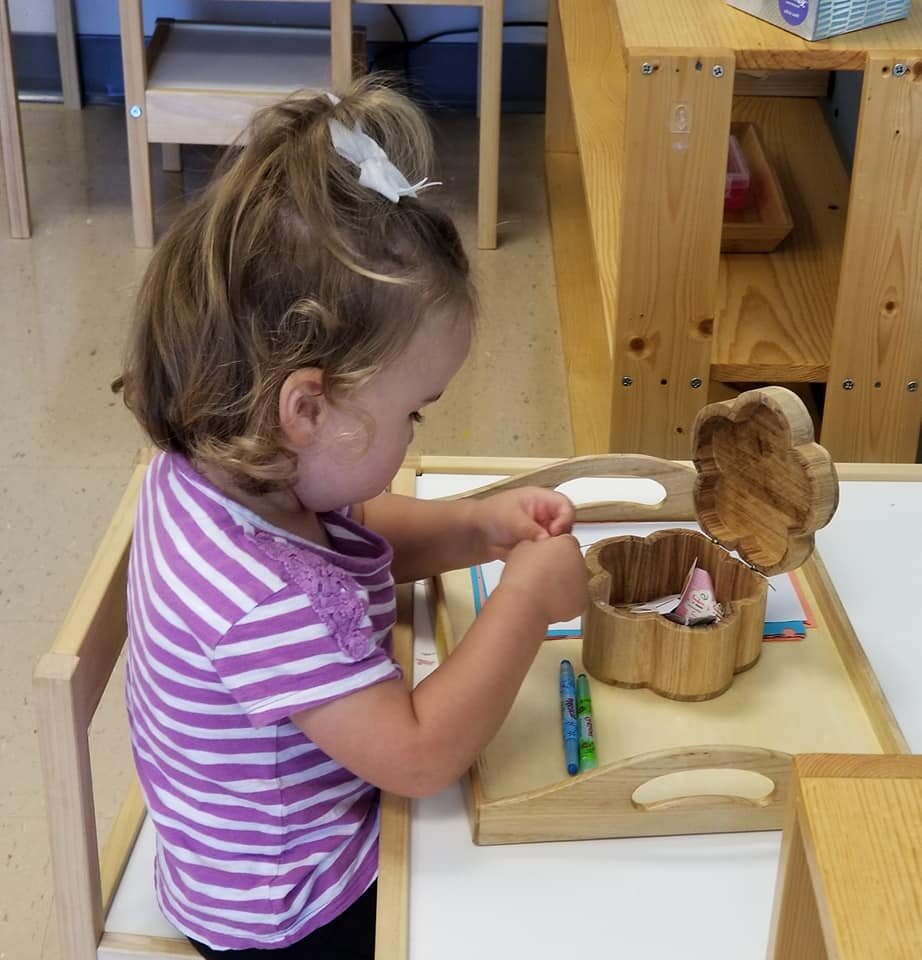
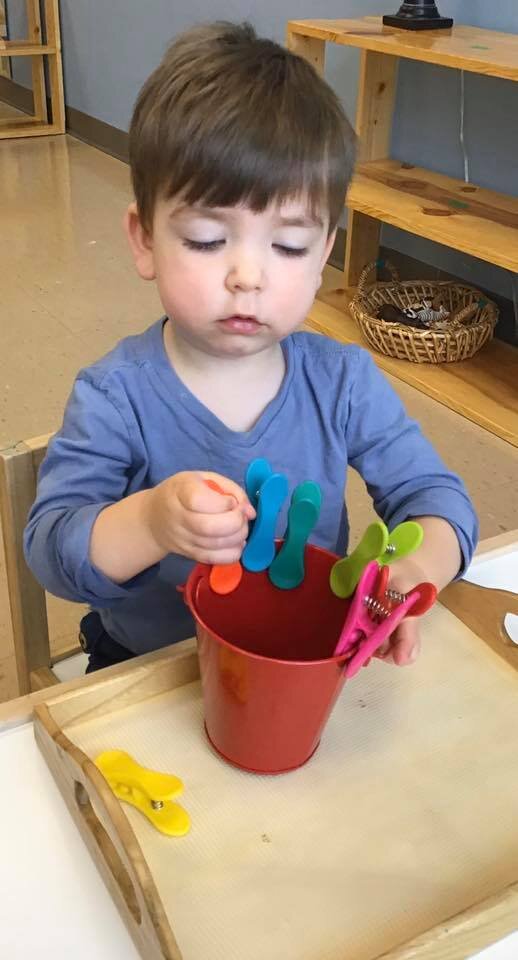
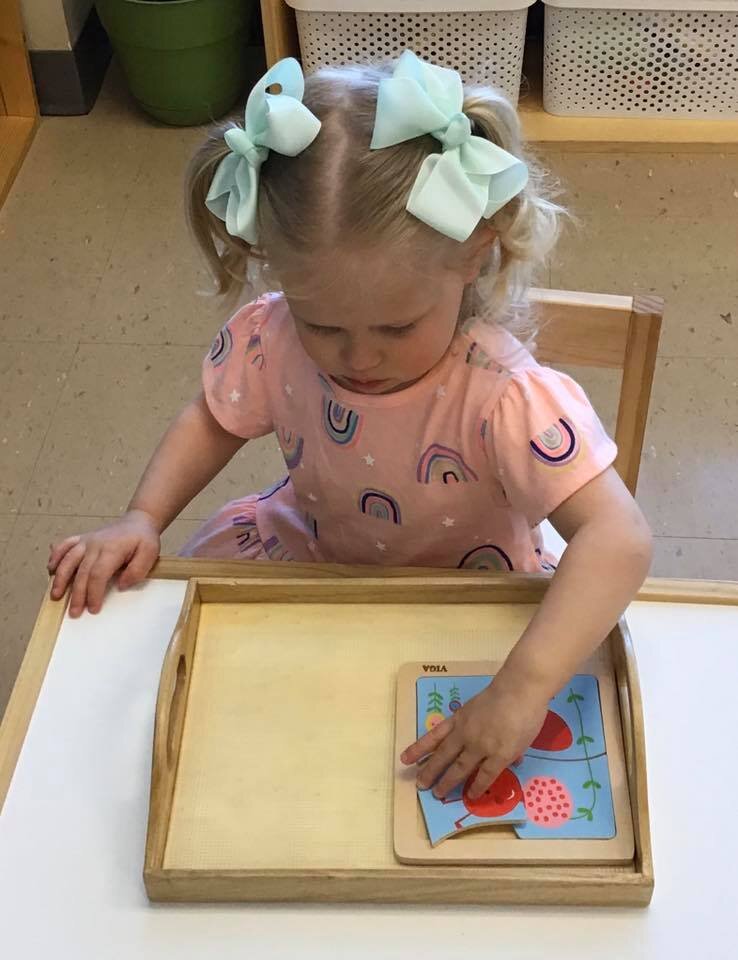
The curriculum includes activities that allow the young children to develop fine and gross motor coordination and visual discrimination through the senses and learning materials.
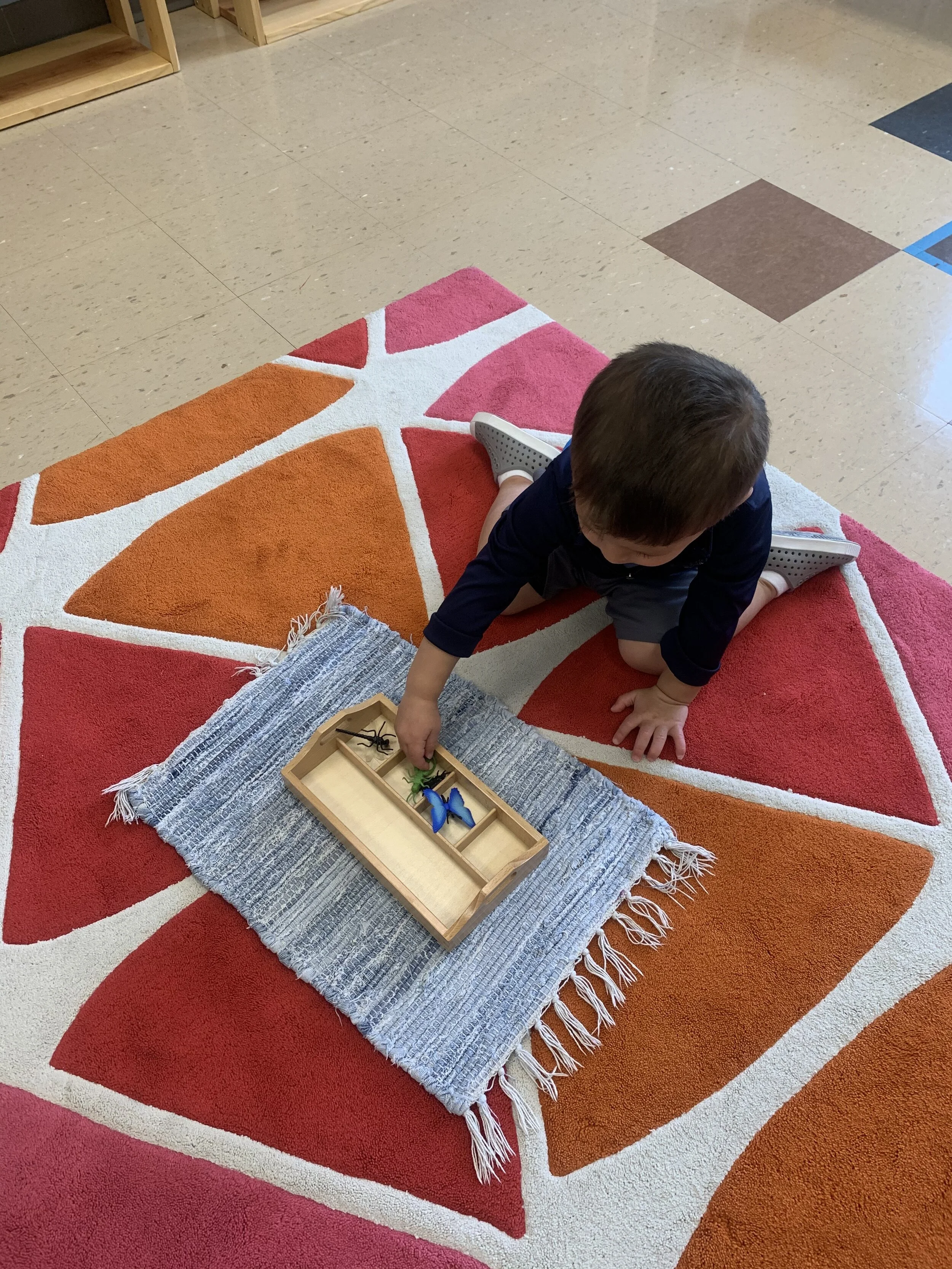
The Bambini classroom is enriched by the Montessori Materials that support the child's development and is divided into the following areas:
1. Practical life:
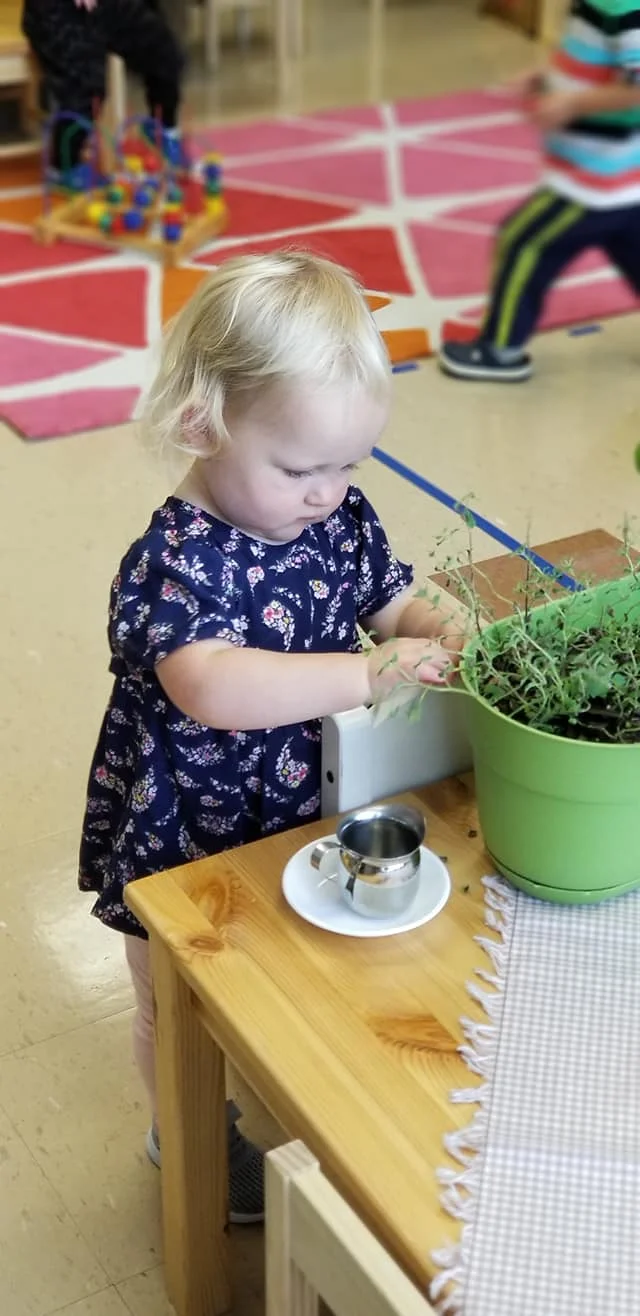
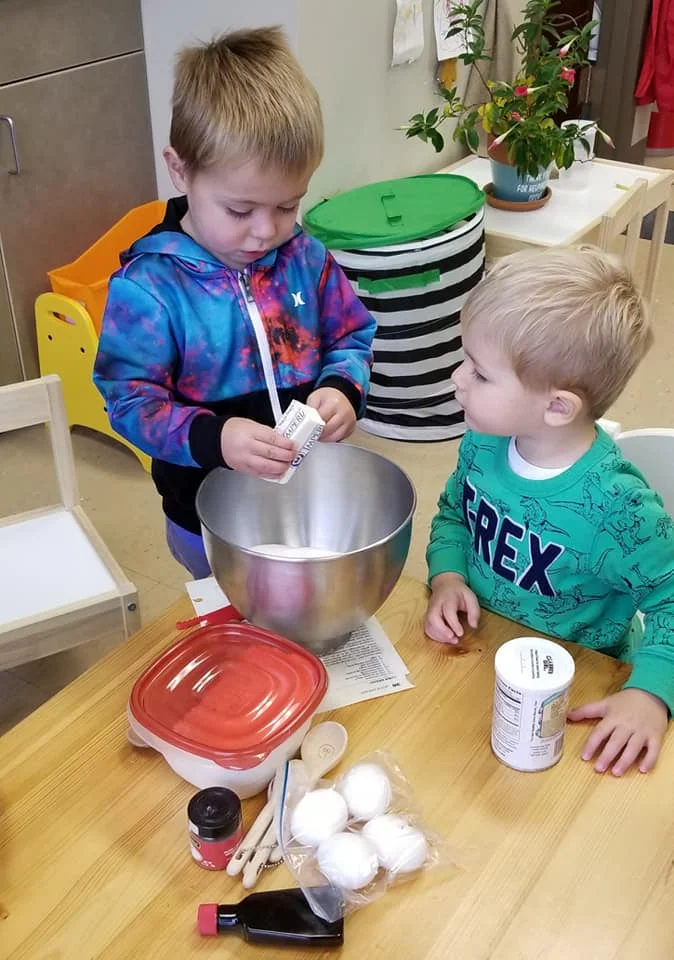
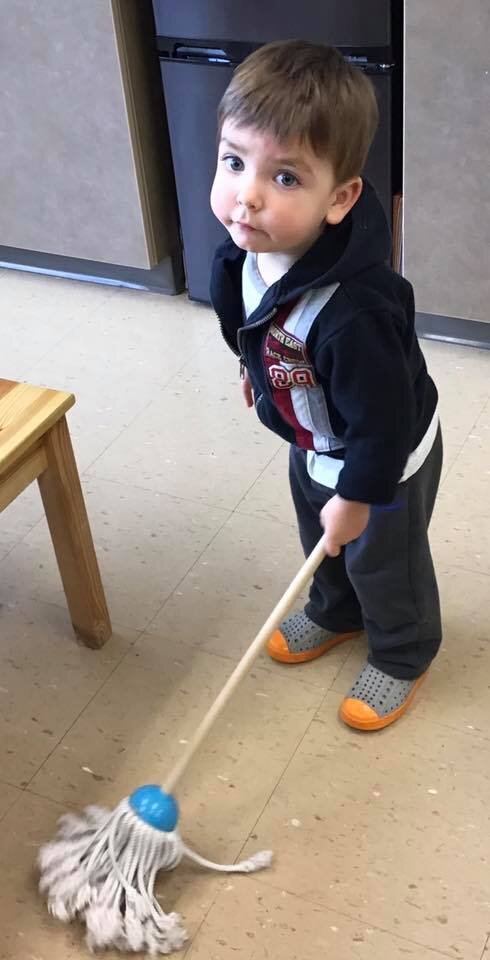
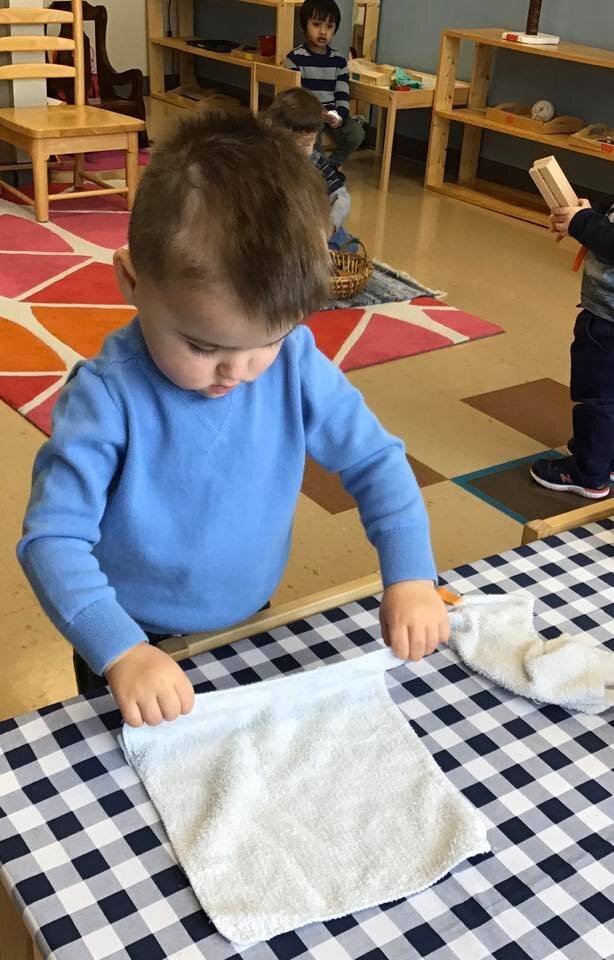
This area helps the child with hand-eye coordination, balance, concentration, hand muscle development, and the ability to do things for themselves. They will dust, wipe, set the table, care for plants, mop, and more.
Care of self is a significant part of the Bambini environment as children learn how to act upon their increasing ability and desire for independence. This includes toilet learning as the child is in his/her sensitive period for toileting.
2. Sensorial:
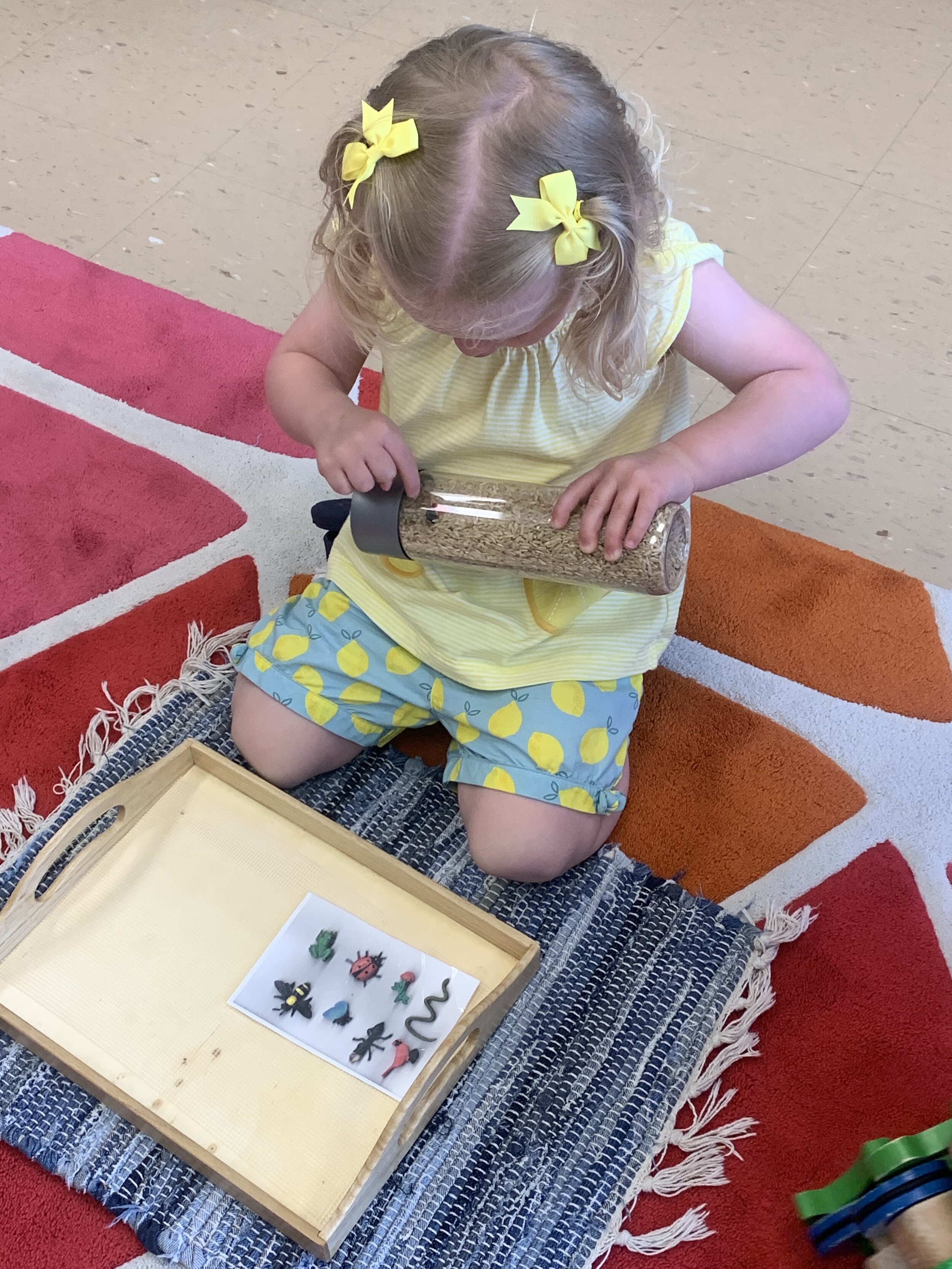
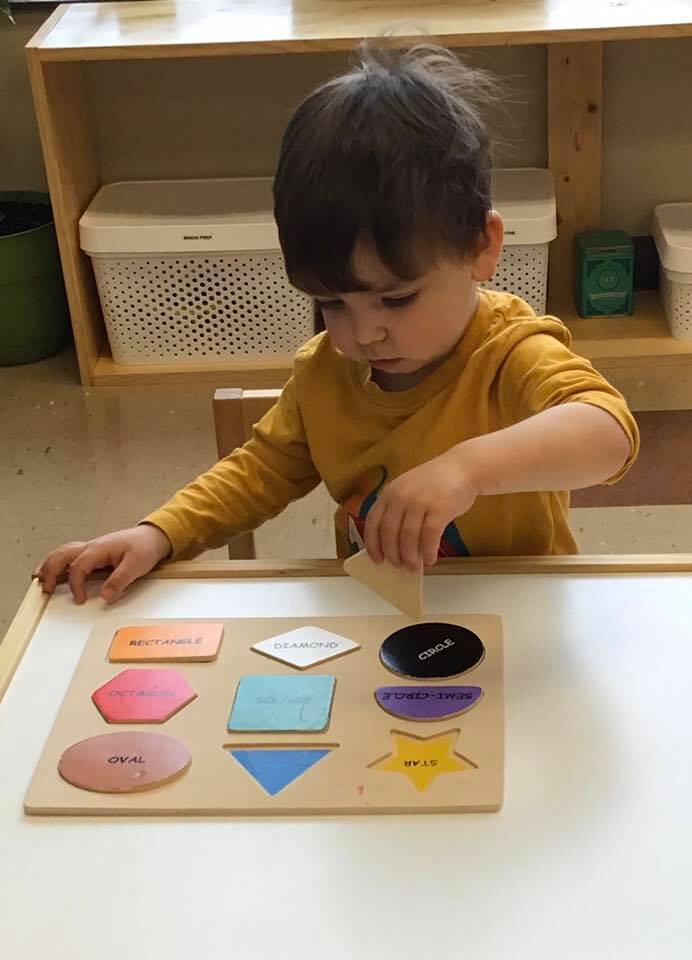
This area introduces children to the concept of depth, width, and height, as well as different types of shapes, color names, and texture, etc. The child engages with real materials that support the development of his senses. The child is supported in learning to discern between items in many planes—the visual, tactical, auditory, olfactory, and gustatory—through both materials on the shelves and circles tines.
3. Language:
This area introduces children to names of family members, body parts, objects, things, etc. Children learn to express themselves with peers and adults throughout the day. A rich environment of language is provided to the child to support his/her explosion into speech. Pre-reading materials prepare the child for reading in the Casa program.
4. Math:
This area exposes children are exposed to counting and the introductory Montessori materials. Pre-math concepts such as pattern recognition, spatial relationships, and understanding size are supported.
5. Geography:
This area teaches children about land and water and about their town, state, country, and continent. Cultural education is deeply rooted throughout the curriculum as the child learns about customs and celebrations in his/her own community as well as those around the world. The child begins to internalize his/her place in the world.
6. Science:
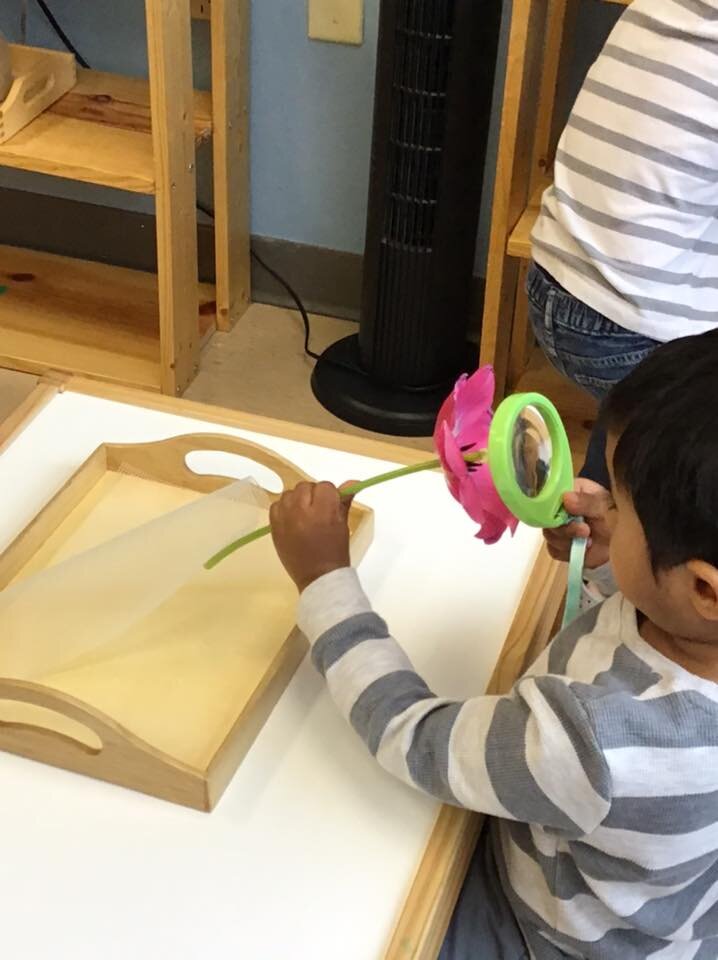
This area covers magnets, sinking and floating, fruits and vegetables, tree parts, flower parts, leaf parts, etc. An understanding of cause and effect is strengthened for further science studies and experiments. Science materials are supported by school outings and engagement with the natural world. A spirit of curiosity, exploration, and discovery is cultivated throughout the environment.
7. Art:
This area is designed specifically for the little ones to engage in both the visual and performing arts. The toddlers experience art creation in a variety of mediums and manners while also being exposed to renowned art piece to develop an appreciation for the visual arts. Children develop musical awareness organically–first in nature as they not only gain awareness of the various sounds around them but also learn to identify them. In the classroom, engagement with music occurs daily through singing, listening to classical pieces, learning rhythm, and learning to play elementary instruments. The toddlers also participate in musical performance showcases during the year.
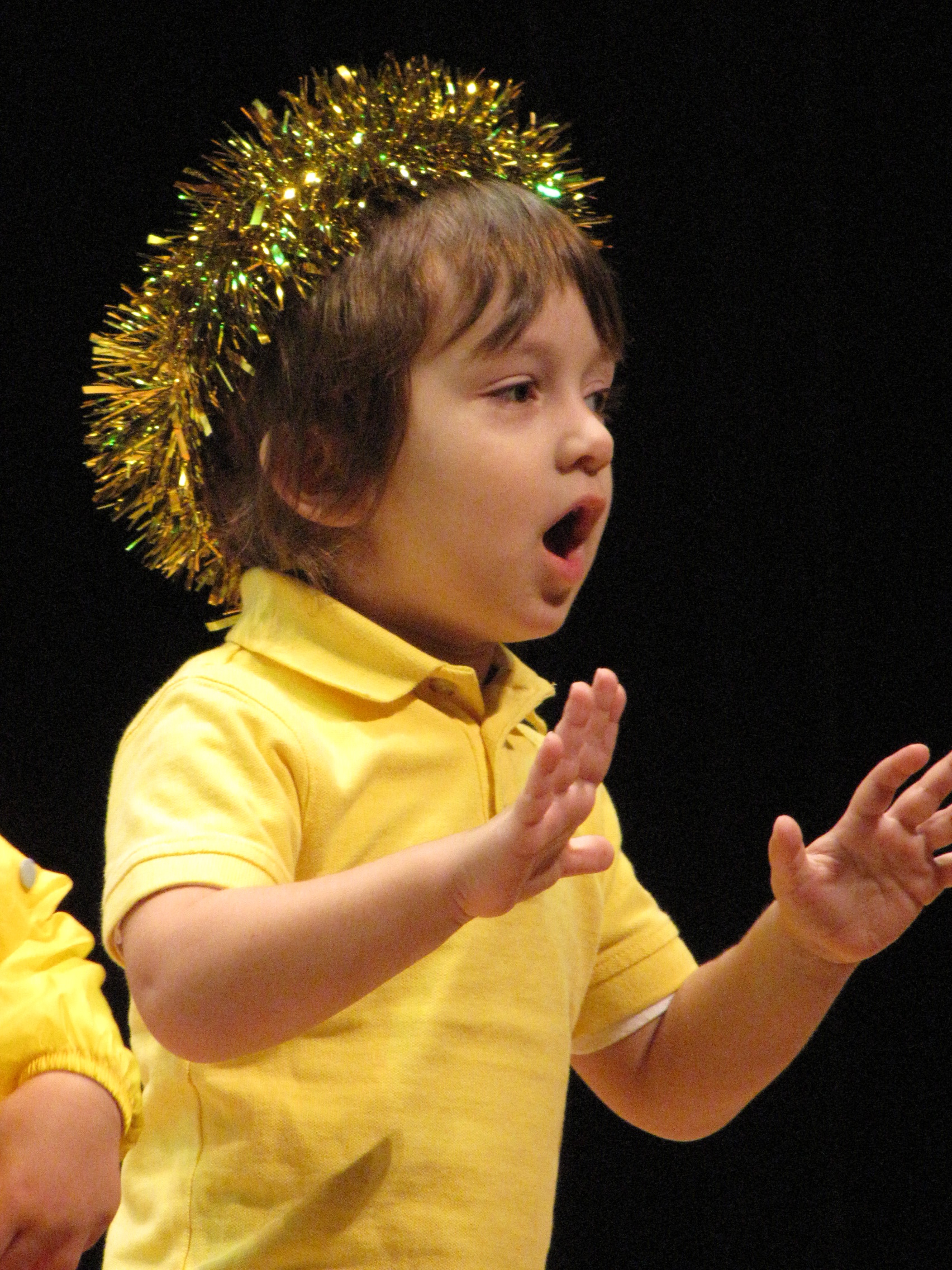
Charles singing "Twinkle, Twinkle Little Star" at a Christmas concert at the age of 2.5.
8. Foreign Language area:
This area exposes children to various languages and their vocabularies through a variety of means. Songs and finger plays are performed in a broad scope of foreign languages while classroom lessons introduce the child to basic Spanish and French vocabulary.
9. Grace and Courtesy:
This area considers a crucial aspect of the Montessori curriculum in which children learn to be respectful and kind to everyone and everything in their environment. They learn to use polite manners at the table and in the circle in addition to learning how to politely interrupt a conversation. Peace education is also a central part of the Montessori environment. The toddlers learn how to find and make peace both within themselves and with others. This area instructs children in resolving conflict in a peaceful manner.
The child is prepared for advancement to the Casa class.
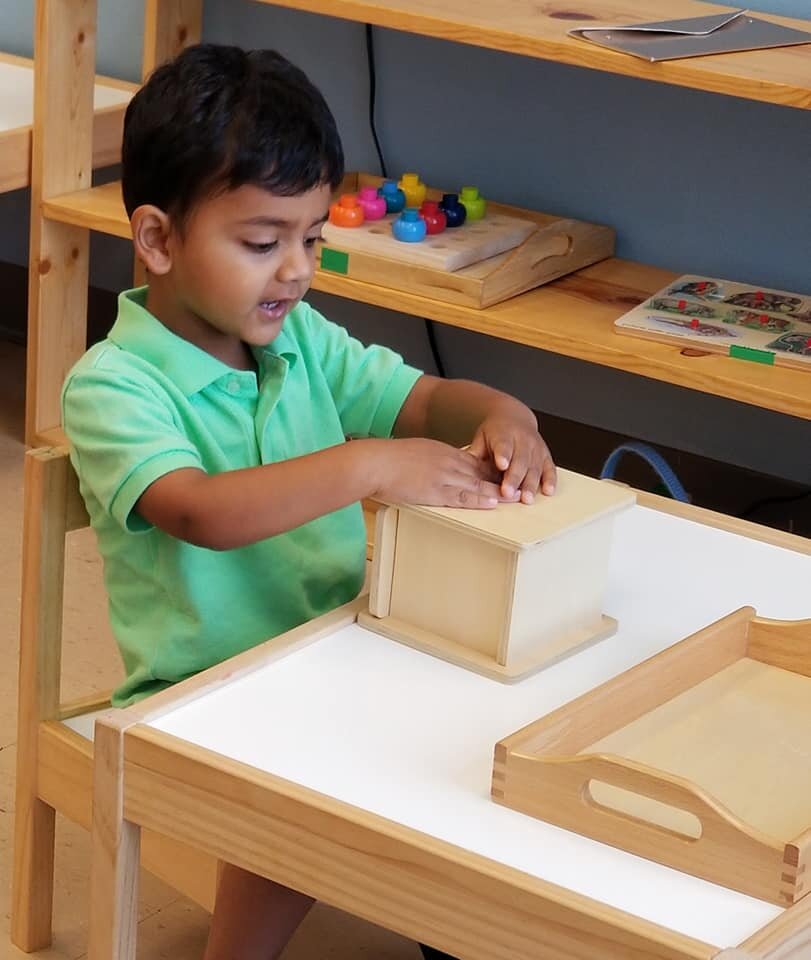
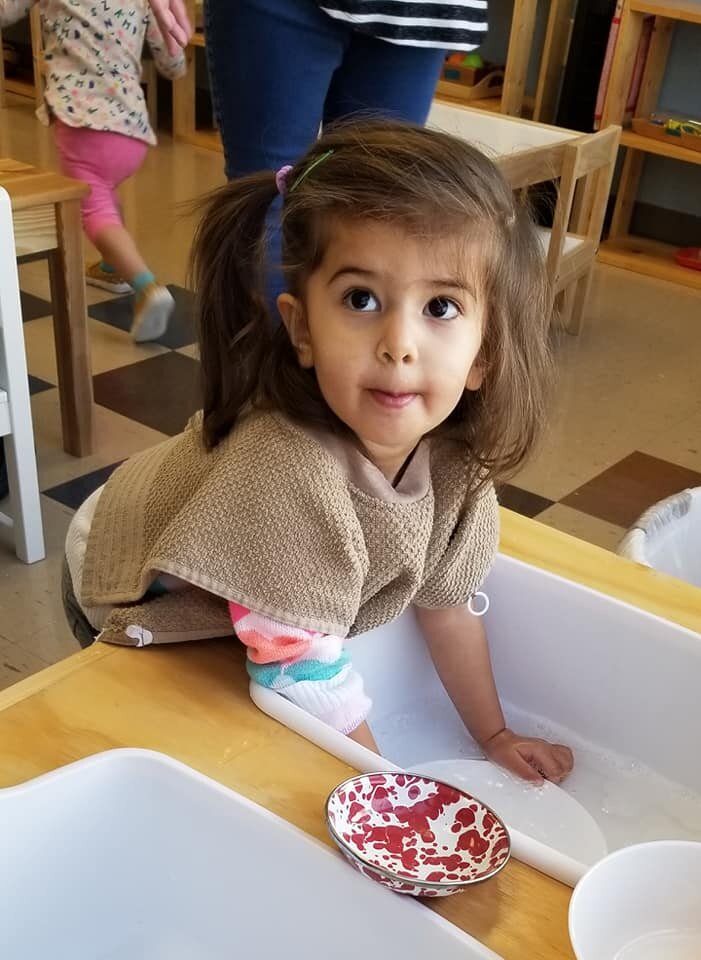
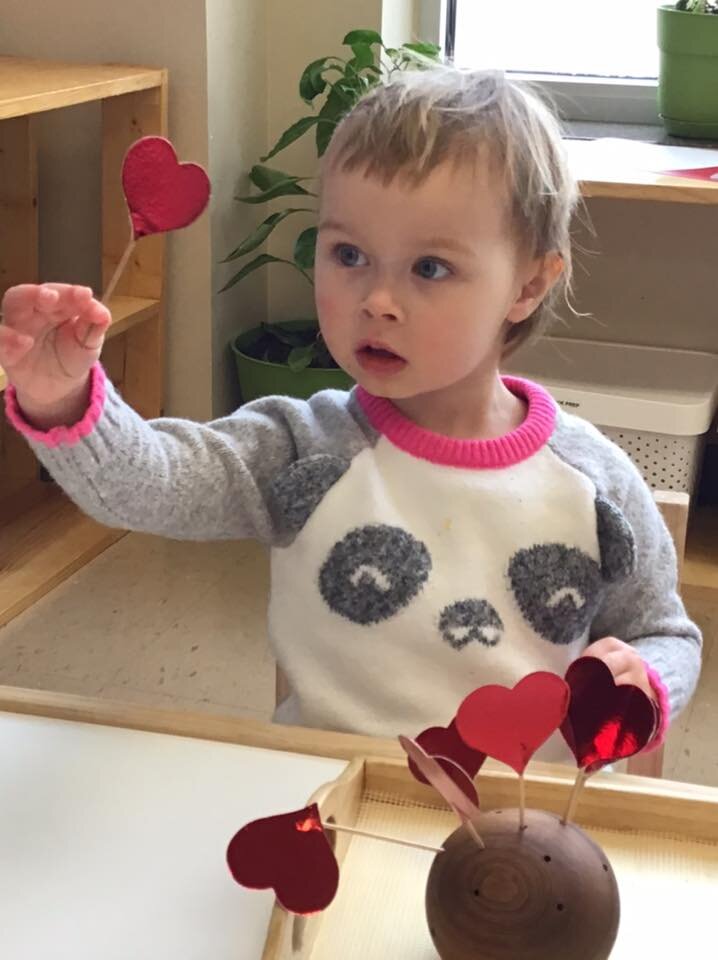
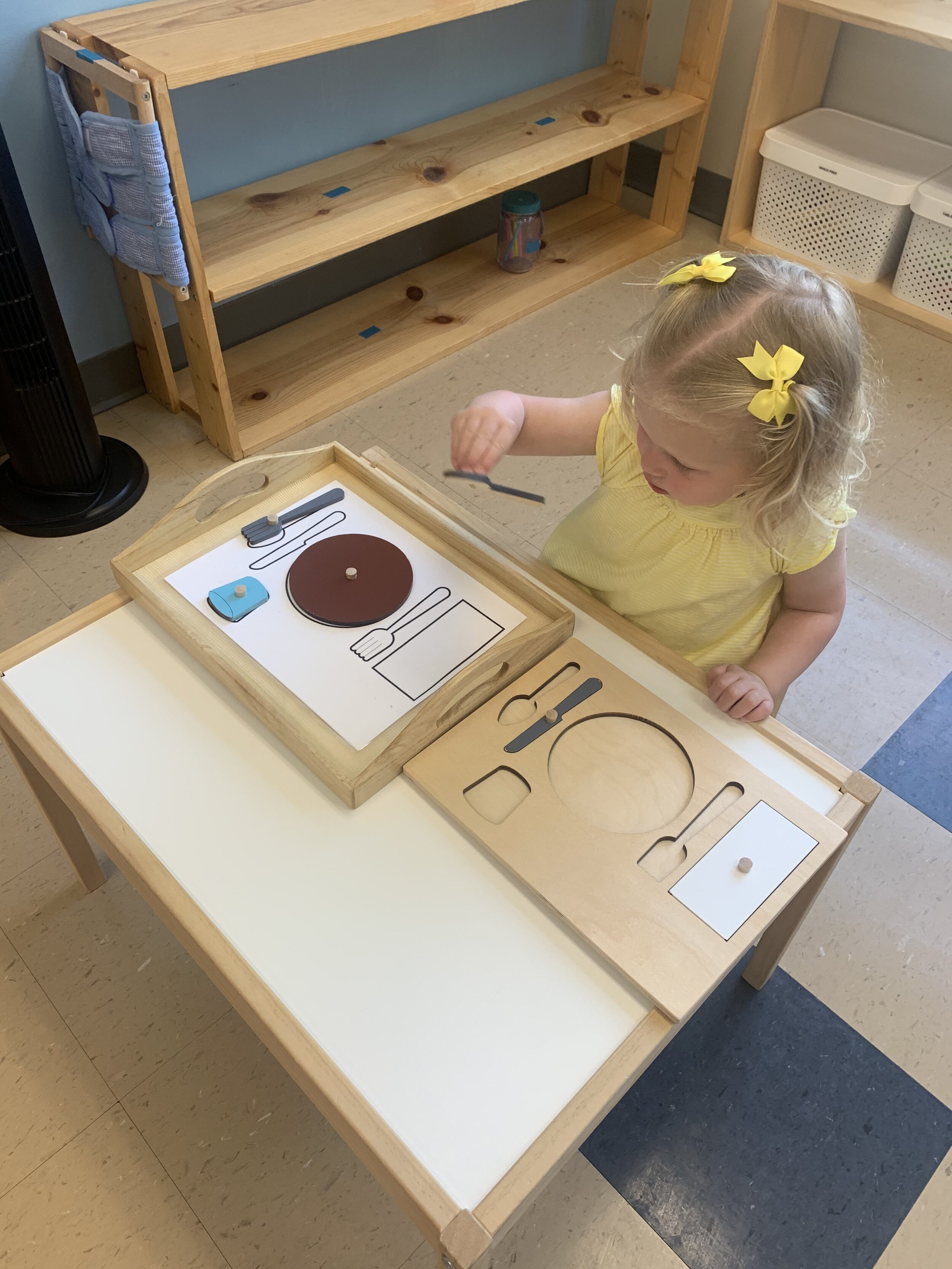
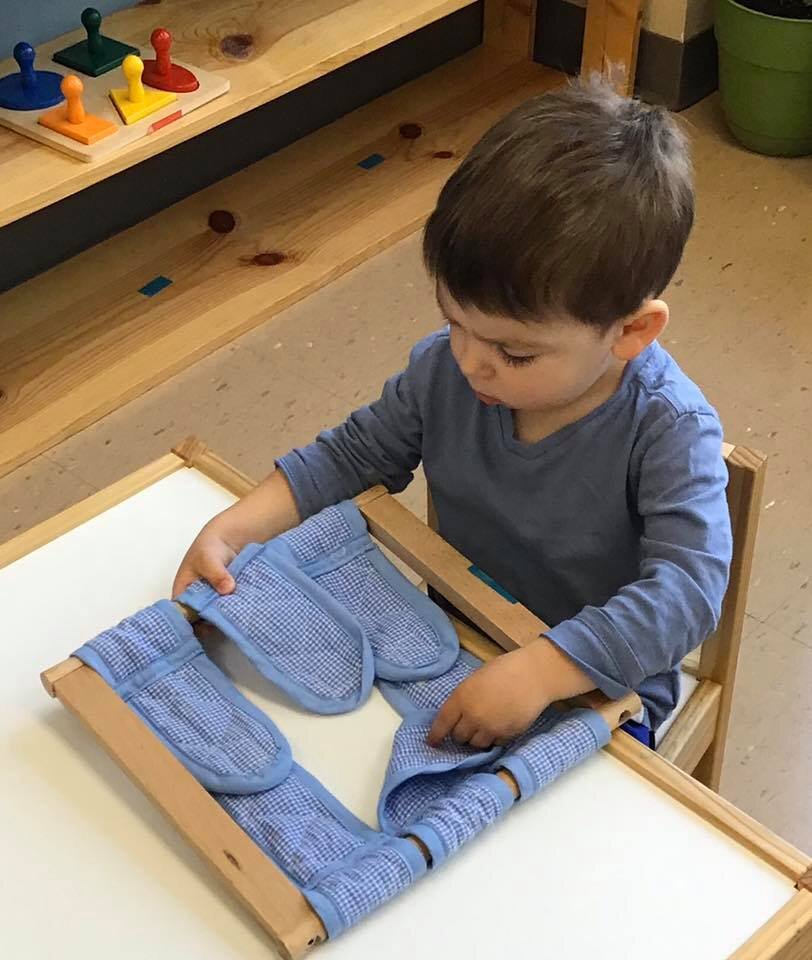
“Among the school material small children enjoy most are the frames with two pieces of cloth – some have buttons and buttonholes, others ribbons, hooks and eyes, and shoe buttons – and it is delightful to watch the toddlers doing up buttons and tying bows with tremendous concentration. ”